The Cost of Convenience: How Food Delivery Apps Are Shaping UK Online Casino Gaming Habits
In recent years, the UK has embraced a lifestyle fuelled by digital convenience. Whether it’s groceries, streaming services, or food delivery, we’re increasingly leaning on technology to make life easier. Among the biggest beneficiaries of this trend are food delivery apps like Deliveroo, Uber Eats, and Just Eat, which now play a surprising role in shaping another digital pastime: online casino gaming.
As online gaming grows in popularity, particularly among instant withdrawal casino enthusiasts, these apps are transforming how we play, eat, and even think about our habits. But with convenience comes consequences—some obvious, others less so.
The rise of food delivery services among online gamers
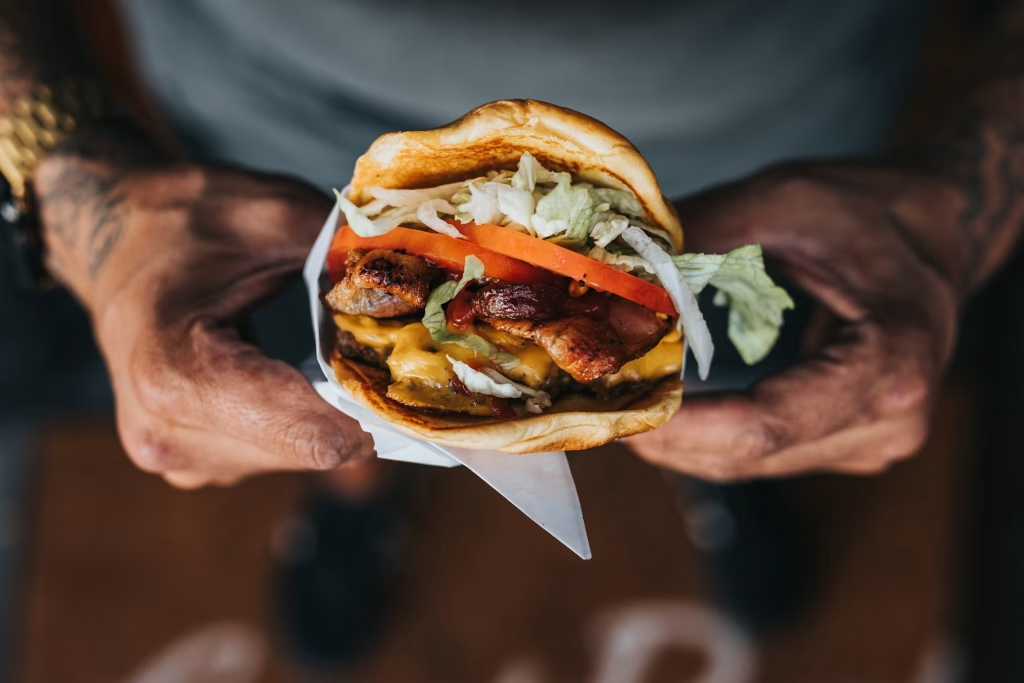
Food delivery apps have become the silent partners of online punters, especially those enjoying long gaming sessions. Playing a round of poker or spinning the roulette wheel doesn’t exactly leave room for a culinary intermission. Delivery apps solve this problem seamlessly, offering quick access to everything from a late-night burger to a hearty curry.
Recent data from Deliveroo shows that late-night orders, particularly between 9 PM and midnight, have surged by 40% in the last two years. It’s no coincidence that this window aligns with peak gaming hours on casino platforms. For many punters, these apps are an enabler—they make it easy to stay focused on gaming without worrying about cooking or stepping out for food.
This connection isn’t entirely accidental. Cross-promotions between food delivery platforms and online casinos are becoming increasingly common. Some casinos offer vouchers for Uber Eats with sign-ups, while food delivery companies target players with discounts during popular gaming events. It’s a win-win for both industries—and a win for punters who value uninterrupted sessions.
How food delivery impacts gaming duration and spending
The immediate effect of food delivery apps is that they allow punters to stay in the zone for longer. But the longer the gaming session, the more significant the impact—on both time and money.
Imagine this: You’re deep into an online blackjack tournament, and hunger strikes. Instead of pausing to prepare a meal, a quick scroll through Deliveroo delivers a piping-hot pizza to your door. While you eat, you keep playing. What’s not to like?
Moreover, players who use food delivery apps during online sessions spend 25% more time on gaming platforms. This extended play often leads to increased spending, as punters are more likely to make additional bets when they don’t take breaks.
This uninterrupted cycle of gaming and eating can also foster impulsive decisions. Casino games are designed to be engaging, and when combined with the sensory pleasure of good food, the experience becomes even more immersive. It’s easy to lose track of time—or how much you’re spending.
Gaming companies, of course, know this. Many online casinos incentivise prolonged play with loyalty programs, tournaments, and leaderboard features. When combined with the ease of meal delivery, these features encourage punters to stay online longer than they might otherwise.
The health implications of convenience
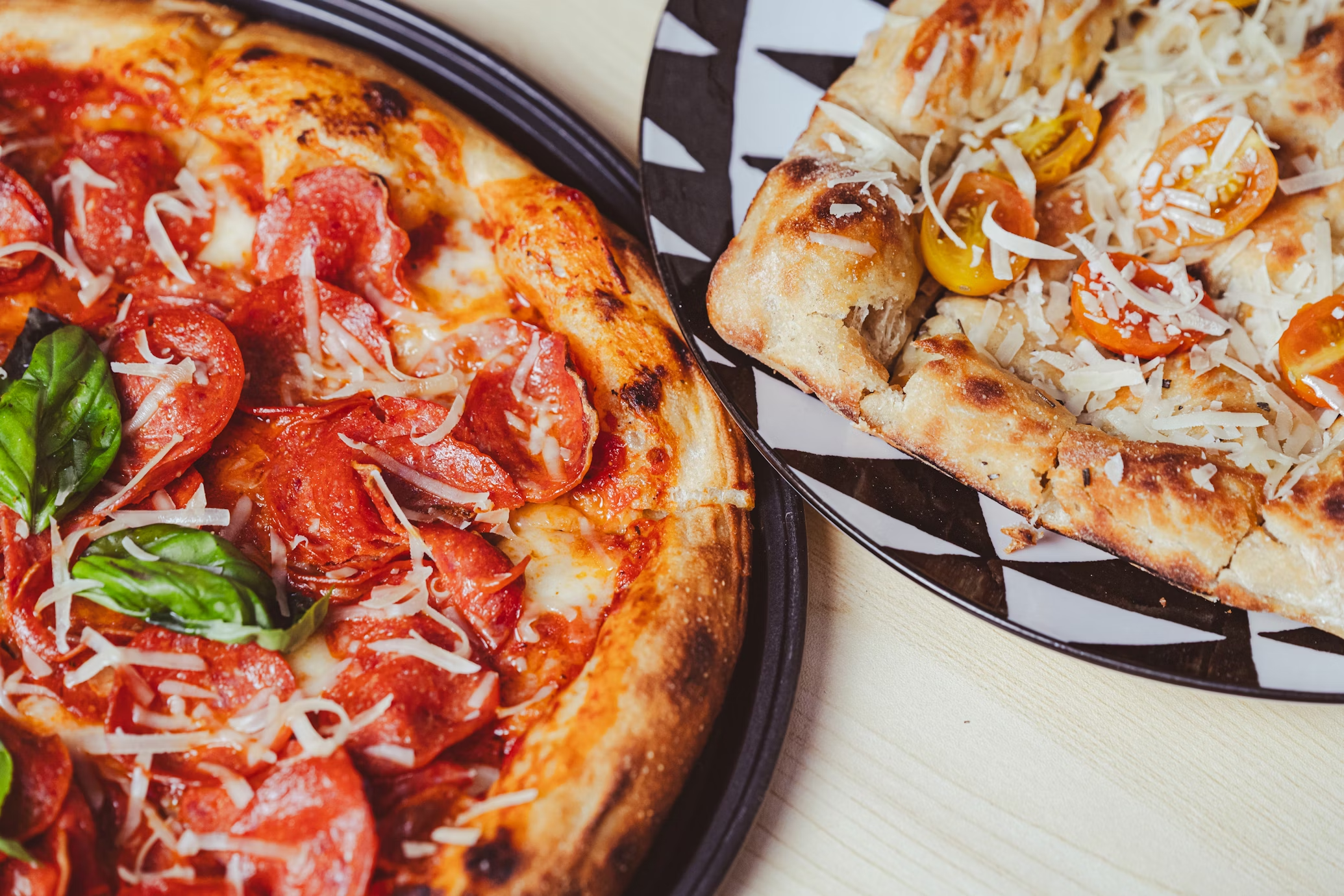
While food delivery apps make life easier, they also have a less savoury side—particularly when it comes to health. Let’s face it: the most popular options on platforms like Just Eat or Uber Eats aren’t kale salads or grilled salmon. They’re pizzas, burgers, and fried chicken.
For gamers who spend hours glued to their screens, this reliance on calorie-laden comfort food can have serious consequences. Studies show that more than 60% of UK adults exceed their recommended daily calorie intake, and frequent food delivery is a major factor. Add in the sedentary nature of gaming, and the risks of obesity, high blood pressure, and other health issues multiply.
Late-night gaming sessions are particularly problematic. Eating heavy meals close to bedtime can disrupt sleep, while greasy or sugary foods can lead to digestive discomfort—hardly ideal for a player trying to stay sharp in a high-stakes poker match.
Then there’s the issue of habit formation. The convenience of ordering food directly to your sofa can quickly become a default choice, even when healthier alternatives are available. For punters, this creates a double-edged sword: convenience enhances the gaming experience in the short term but can have lasting negative effects on health.

Tips for smarter, healthier gaming
Balancing convenience with well-being doesn’t have to mean giving up food delivery or online gaming. With a little effort, players can make choices that support their health and wallets.
Healthier eating choices:
- Opt for balanced meals: Many delivery apps now offer healthier options like poke bowls, grilled chicken wraps, or vegetarian dishes. Prioritise meals with lean protein, whole grains, and vegetables.
- Avoid the late-night trap: If you’re gaming late, stick to lighter snacks like a handful of nuts, yoghurt, or fresh fruit instead of ordering a heavy takeaway.
- Customise your order: Don’t be afraid to ask for modifications—like extra vegetables or less cheese—to make your meal healthier.
Budget-friendly alternatives:
- Plan ahead: Prepare a batch of homemade meals at the start of the week and freeze them. This way, you can quickly heat up a nutritious option without needing a delivery app.
- Set a budget: Use food delivery apps sparingly and set a monthly limit to avoid overspending.
- Split costs: If you’re gaming with friends, consider splitting delivery orders to minimise expenses.
Final say
The rise of food delivery apps has undeniably changed the way UK online casino punters play and eat. By offering instant gratification, these apps make it easier than ever to stay immersed in gaming. However, this convenience comes at a cost: longer gaming sessions, increased spending, and potential health risks.
Fortunately, the solution doesn’t lie in giving up the joys of food delivery or gaming. By embracing healthier, budget-conscious habits, players can enjoy the best of both worlds—without letting convenience take control. As with any digital habit, awareness and moderation are key to making smarter choices.
So, next time you spin the roulette wheel or hit the jackpot on a slot game, ask yourself: what’s for dinner? It might be the most important decision of your session.