How to Keep Your Construction Site Compliant and Safe
Maintaining compliance and safety on a construction site is a critical responsibility for project managers, contractors, and workers. With the risks involved in construction work, from heavy machinery to hazardous materials, ensuring that all operations meet legal and safety standards is non-negotiable. Not only does compliance safeguard the well-being of workers, but it also protects your project from legal repercussions and costly delays. By implementing robust safety protocols and adhering to regulations, you create a productive and secure environment.
Whether managing a residential build or a large-scale commercial project, prioritising safety and compliance should be an integral part of your operations. This guide explores key strategies to keep your construction site compliant and safe, including the importance of a thorough new build risk assessment.
Understanding Legal Compliance on Construction Sites
Compliance begins with understanding the regulations governing construction activities in your region. In the UK, for example, the Health and Safety at Work Act 1974 outlines the legal obligations for employers to ensure workplace safety. Construction-specific regulations, such as the Construction (Design and Management) Regulations 2015 (CDM 2015), provide further guidance on managing health and safety risks throughout a project.
Adhering to these regulations is essential for preventing accidents, protecting workers, and avoiding legal penalties. It’s important to stay informed about updates to legislation and ensure all team members are aware of their responsibilities.
Conduct Comprehensive Risk Assessments
A comprehensive risk assessment is the foundation of construction site safety. This involves identifying potential hazards, evaluating their likelihood and severity, and implementing measures to mitigate risks. For example, common hazards on construction sites include falls from height, electrical shocks, and exposure to harmful substances. Addressing these risks proactively can significantly reduce the chances of accidents.
When planning a new project, conducting a new build risk assessment is crucial. This assessment evaluates the unique risks associated with the site and project specifications, ensuring tailored safety measures are in place. Regularly updating risk assessments as the project progresses ensures new hazards are promptly identified and addressed.
Develop a Clear Safety Plan
A well-structured safety plan outlines the procedures and protocols that must be followed to maintain compliance and protect workers. This plan should include:
- Emergency procedures, including evacuation plans and first aid protocols.
- Roles and responsibilities for safety management.
- Equipment and machinery operation guidelines.
- Procedures for reporting and investigating incidents.
By providing workers with clear instructions, a safety plan minimises confusion and ensures everyone understands their role in maintaining a safe site.
Provide Comprehensive Training
Effective training is essential for empowering workers to identify and manage risks. All site personnel should receive training relevant to their roles, including:
- General site safety and hazard awareness.
- Safe use of machinery and tools.
- Handling and storing hazardous materials.
- Working at height or in confined spaces.
Regular refresher courses ensure that workers stay up to date with best practices and regulatory requirements. Providing specialist training for high-risk activities, such as operating cranes or handling asbestos, is particularly important.
Ensure Proper Use of Personal Protective Equipment (PPE)
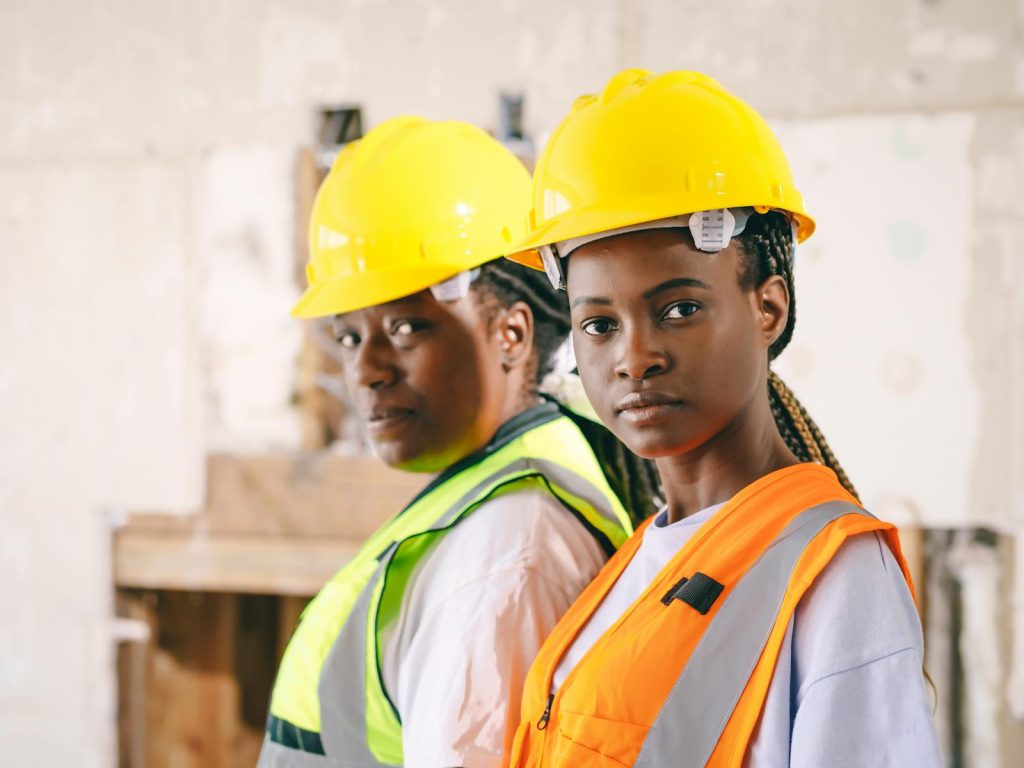
Personal protective equipment (PPE) is a vital component of construction site safety. Workers should be equipped with appropriate PPE for their tasks, such as:
- Hard hats to protect against falling objects.
- High-visibility clothing to ensure visibility.
- Gloves, goggles, and face masks for handling hazardous materials.
- Steel-toe boots for foot protection.
Employers must ensure that PPE is readily available, properly fitted, and regularly inspected for damage. Workers should also be trained on the correct use and maintenance of their protective gear.
Maintain Equipment and Machinery
Faulty equipment is a common cause of accidents on construction sites. Regular maintenance and inspections are essential to ensure machinery is in safe working condition. Create a schedule for routine checks and servicing, and address any issues immediately to prevent breakdowns or malfunctions.
Operators should also be trained to conduct pre-use inspections of machinery, checking for signs of wear or damage. Ensuring that all equipment meets safety standards not only protects workers but also improves overall productivity.
Promote Communication and Reporting
Effective communication is key to identifying and addressing safety concerns promptly. Encourage workers to report hazards, near misses, or incidents without fear of blame. Establishing a culture of openness and accountability fosters collaboration and ensures that issues are resolved quickly.
Toolbox talks—regular, short meetings focused on specific safety topics—are a practical way to keep safety at the forefront of daily operations. These discussions provide an opportunity to review risks, share updates, and reinforce the importance of compliance.
Implement Site Security Measures
Site security plays an important role in maintaining compliance and safety. Unauthorised access to construction sites can lead to theft, vandalism, or accidents involving untrained individuals. To enhance security:
- Use fencing and signage to clearly mark site boundaries.
- Install surveillance cameras and lighting in key areas.
- Employ trained security personnel to monitor the site.
These measures protect both workers and the public while safeguarding valuable equipment and materials.
Monitor and Review Safety Performance
Regular monitoring and review ensure that safety measures remain effective throughout the project. Conduct site inspections to assess compliance with safety protocols and identify areas for improvement. Use checklists to streamline the inspection process and document findings.
Incident reports, feedback from workers, and data from monitoring activities provide valuable insights into safety performance. Use this information to make informed decisions and implement changes that enhance safety standards.
Embrace Technology for Enhanced Safety
Advancements in technology offer innovative solutions for improving construction site safety. Drones, for example, can be used to inspect hard-to-reach areas without putting workers at risk. Wearable devices, such as smart helmets or safety vests, can monitor workers’ health and environmental conditions in real time, alerting them to potential dangers.
Digital tools for project management and compliance tracking also streamline documentation and ensure that risk assessments, training records, and inspection reports are easily accessible.
Foster a Safety-First Culture
The most effective safety measures are supported by a strong safety culture. Leaders should set the tone by prioritising safety in decision-making and demonstrating a commitment to compliance. Recognising and rewarding safe behaviours encourages workers to take ownership of their safety responsibilities and fosters a collaborative environment.
Regular communication, ongoing education, and a focus on continuous improvement reinforce the importance of safety, ensuring it remains a core value across the organisation.
Conclusion
Keeping a construction site compliant and safe requires a proactive approach, combining thorough planning, effective training, and ongoing monitoring. Conducting a detailed new build risk assessment ensures that risks are identified and managed from the outset, while clear protocols and open communication create a culture of safety. By investing in compliance and prioritising the well-being of workers, construction projects can run smoothly, efficiently, and securely, delivering successful outcomes for all involved.