4 Essential First-Time Home Buyer Checks You Might Forget
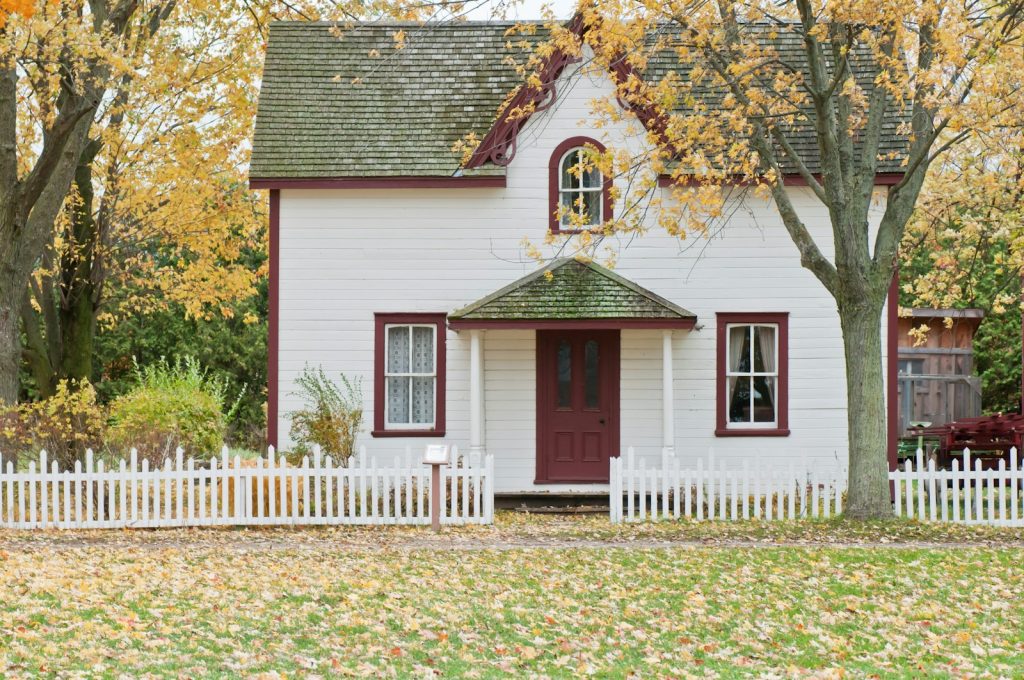
Buying your first home is an exciting adventure, but it’s also filled with many details that are easy to overlook.
The rush of finding the perfect property can sometimes distract you from keeping track of what’s truly important.
Before you sign anything, ensure you carry out essential checks like inspecting for damp, checking the plumbing, and reviewing the neighbourhood’s amenities.
These small steps can make a big difference in your new home’s overall satisfaction and value.
This proactive approach will keep you ahead and help make your first home purchase a success rather than a stressful experience.
Evaluating the Structural Integrity
Checking the structural integrity of a home is crucial for ensuring safety. Focus on three main areas: foundation, roof, and external walls.
Foundation and Load-Bearing Elements
The foundation is the most critical part of your home. Cracks or shifts in the foundation can lead to significant issues. Check for visible cracks along walls and floors. If the home has a basement, inspect it for water damage or mould, which can indicate foundation problems.
Load-bearing elements, like beams and columns, should also be checked. Ensure they’re not bowed or cracked. It’s wise to consult a structural engineer if you notice anything unusual, as these elements support the entire structure.
Pay attention to any signs of settling or uneven floors, as these can signal deeper issues.
Roof Condition and Attic Spaces
The roof protects your home from the elements, so its condition is vital. Look for missing or damaged shingles and ensure there are no signs of leaks or water damage. Examine the gutters and downspouts to ensure they’re not clogged or broken.
The attic should be checked for signs of leaks, proper ventilation, and adequate insulation. Poor ventilation can lead to moisture problems and affect air quality.
Look for signs of pests, as they can damage the structure. Make sure any visible rafters or beams are intact and free from damage.
External Walls and Cladding
External walls are more than just a boundary; they support the structure and protect it from outside weather. Inspect the cladding or siding for cracks, rot, or damage, particularly if the material is wood or vinyl. Brick or masonry should be checked for crumbling or missing mortar.
Check for any bulges or leaning walls, which can indicate structural issues.
Good maintenance of external walls includes ensuring that water doesn’t accumulate around the home’s foundation. Watch for signs of moisture damage or mould, as these could point to current or past water ingress issues.
Plus, make sure that the paint is not peeling or chipped, which might suggest inadequate protection from the elements.
Assessing Plumbing and Electrical Systems
When buying a home, it’s crucial to pay attention to the plumbing and electrical systems to prevent unexpected repairs.
Make sure you evaluate water pressure, drainage, electrical wiring, and safety, along with checking the boiler and heating systems.
Water Pressure and Drainage
Test the water pressure in the taps and showers. Turn them on to see how strong the flow is. Good water pressure is important for daily activities like showering and washing up.
Check the drainage by filling sinks and bathtubs, then observing how quickly they empty. Poor drainage might indicate blockages or issues with the plumbing system.
Look underneath sinks for leaks or water stains, which could suggest persistent problems.
Don’t Forget the Pipes
Plumbing issues can be a homeowner’s worst nightmare, and the last thing you want is a surprise flood or a blocked drain right after you move in.
This is where a CCTV drainage survey comes in handy.
Using a tiny camera, this survey inspects your property’s drainage system for hidden problems like cracks, blockages, or tree root intrusions.
It’s especially crucial if the property is older or has had extensive landscaping—those picturesque trees in the garden might be wreaking havoc underground!
While it’s not a legal requirement, investing in a CCTV drainage survey could save you thousands in unexpected repairs down the line.
Electrical Wiring and Safety
Inspect electrical outlets by plugging in a device to see if they work. Flip light switches to ensure they operate correctly. It’s wise to ask the current homeowners about the age of the electrical system.
Ensure the property has a modern fuse box with circuit breakers, not an outdated fuse box, as this can be safer. Look out for discoloured outlets or singed wires, which can be signs of electrical issues.
Boiler and Heating Systems
Investigate the age and condition of the boiler. Boilers older than 10-15 years may require replacement soon, which can be costly.
Ask for the maintenance history from the sellers to understand how well it’s been looked after.
Examine the radiators for signs of leaks or rust. Turn on the heating system to check how quickly the home warms up and if all radiators are equally heated.
If any part of the system seems inefficient, you might need a specialist to evaluate it further.
Checking for Damp and Mould Issues
Damp and mould are common issues in homes that can cause health and structural problems. Knowing how to identify the signs and understanding how ventilation can help prevent these issues is crucial.
Identifying Signs of Damp
Damp can appear in different forms and locations. Stains and discoloured patches are common, often appearing on walls, ceilings, or floors.
These areas might feel wet or emit a musty smell. Peeling wallpaper and mould growth are additional indicators. Check behind furniture and in corners where air circulation is limited.
Be vigilant in basements, as these tend to be more humid. Here, you might notice a cold and damp atmosphere.
Always remember that these visible signs are evidence of deeper issues that might need professional attention.
Ventilation and Condensation Control
Proper ventilation can significantly reduce the risk of dampness and mould.
Ensure your home has sufficient ventilation, such as trickle vents or extractor fans, especially in kitchens and bathrooms where moisture levels are higher.
Adequate ventilation helps in controlling condensation, a primary cause of mould. Opening windows regularly allows fresh air circulation, reducing moisture build-up.
Understanding Local Amenities and Services
When buying your first home, it’s crucial to consider the amenities nearby. You’ll need to think about schools, healthcare, and transport links. It’s also worth looking at community facilities that can enhance your lifestyle.
These factors can impact your day-to-day living and future property value.
Proximity to Schools and Healthcare
Living near good schools can be a significant advantage if you have children or plan to in the future. Research school rankings and availability of places.
Being close to well-rated schools can also increase your property’s value.
Healthcare is another essential amenity. Having a GP or hospital nearby ensures you have access to medical care when needed.
Check the local healthcare options, including hospitals, clinics, and pharmacies, to make sure they fit your needs.
Consider the waiting times and the ease of getting appointments. Access to both educational and healthcare services can offer peace of mind and convenience.
Transport Links and Commuting Prospects
Easy access to transport links can make your daily commute smoother and save you time. Check for nearby bus stops, train stations, and major roads.
Assess the quality and frequency of public transport services.
Consider how traffic conditions might impact your travels. Living in an area with good transport links may also contribute to a higher home value, as it’s a desirable feature for many buyers.
Evaluate any future developments in transport infrastructure, as improvements can further enhance your commuting experience and property appeal.
Community Facilities and Recreation
Community facilities like parks, libraries, and leisure centres can enrich your lifestyle. Look for areas offering green spaces, playgrounds, or sports clubs that align with your interests.
Community centres and recreational areas provide opportunities for socialising and engaging in activities. Proximity to these amenities can make a place feel more vibrant and welcoming.
Recreational facilities can enhance well-being, offering a balanced lifestyle by encouraging active living and providing spaces for relaxation.
Checking local newspapers and community boards can give insight into the types of activities available, helping you choose a location that suits your lifestyle preferences.
Image Source: Unsplash