Top three signs your teenager needs braces right now
From slamming doors and an ongoing fight for increased independence to physical changes, adolescence comes with plenty of challenges – including dental health. With so much going on, teeth can often take a backseat, despite the fact that appropriate orthodontic care is not just critical to a teenager’s confidence and smile but equally key to their present and future health.
With so much at stake, it’s imperative that parents learn to recognise the signs that their teen might need braces – with early intervention making a world of difference. Thankfully, the top three signs are quite common and easy to spot:
- Misaligned teeth or bite
When the upper and lower teeth don’t quite fit together, resulting in an improper bite, it can lead to significant functional and aesthetic problems. Whilst an overbite means the upper teeth might overlap the lower front teeth excessively, sometimes causing the lower teeth to touch the roof of the mouth, an underbite causes the lower teeth to jut out past the upper ones, giving the jaw a more prominent appearance. Your teen might also show signs of a crossbite, when the upper teeth sit inside the lower teeth instead of outside – an issue that can occur on one or both sides of the mouth.
Overbites, underbites and crossbites not only impact your teen’s smile and confidence, but can lead to jaw pain, difficulty chewing and even speech issues, worsening pain and temporomandibular problems later on. Around one third of UK children require orthodontic treatment to effectively correct these problems, according to the British Orthodontic Society, making this common symptom worth checking up.
- Crowded teeth
Crowded teeth are another common concern, making brushing and cleaning more challenging due to overlapping. This, in turn, increases the risk of cavities and gum disease, which has even been shown to augment risk of dementia in later life. For teenagers still waiting for their adult teeth to settle, cavities and decay can become even worse, to the extent that – if crowding is severe or there is not enough space for growing teeth – the dentist may recommend tooth extractions, braces or a combined treatment approach.
- Noticeable gaps
Of course, the opposite of crowding – gaps between teeth – can also be a sign that your teen might need braces, with this seemingly harmless quirk potentially leading to misalignment if left alone. Indeed, gaps give other teeth room to shift in the mouth, potentially worsening alignment and/or bite problems, with braces being an effective solution capable of closing these spaces to create a healthier, more uniform smile.
Why timing matters
The ideal age for orthodontic treatment is usually between 12 and 13 years of age, while the jaw is still growing and teeth are easier to move. Delaying treatment can thus make future correction more difficult, painful and costly, with adults often requiring longer treatment times and even surgery in severe cases.
Navigating your options
Braces now come in a variety of types, each offering unique benefits tailored to each mouth. Whilst services such as Invisalign have become popular and are available to teens who have all their adult teeth in their mouth, such solutions can do more damage than good so it’s critical to consult a qualified orthodontist, looking for the appropriate, durable treatment options and attending regular appointments to adjust and follow up.
Tips for teens with braces
Encouraging your teenager to maintain excellent oral hygiene throughout the process can reduce the need for additional treatments and costs, with regular brushing and flossing required around brackets and wires. Avoiding hard or sticky foods that can damage braces can also help.
The cost of neglecting dental health
Delaying orthodontic care can lead to long-term issues like tooth decay, gum disease and even jaw problems. Early intervention ensures a healthy foundation and reduces the risk of complications later in life.
Investing in your teen’s dental health pays dividends over the long term, both in confidence and health. So, if you’ve spotted any of the signs, consult a qualified dentist or orthodontist, and remember, if your child needs braces in highly populated areas, like London, wait lists can be long so it’s best to act today to protect your teen’s smile for life.
—
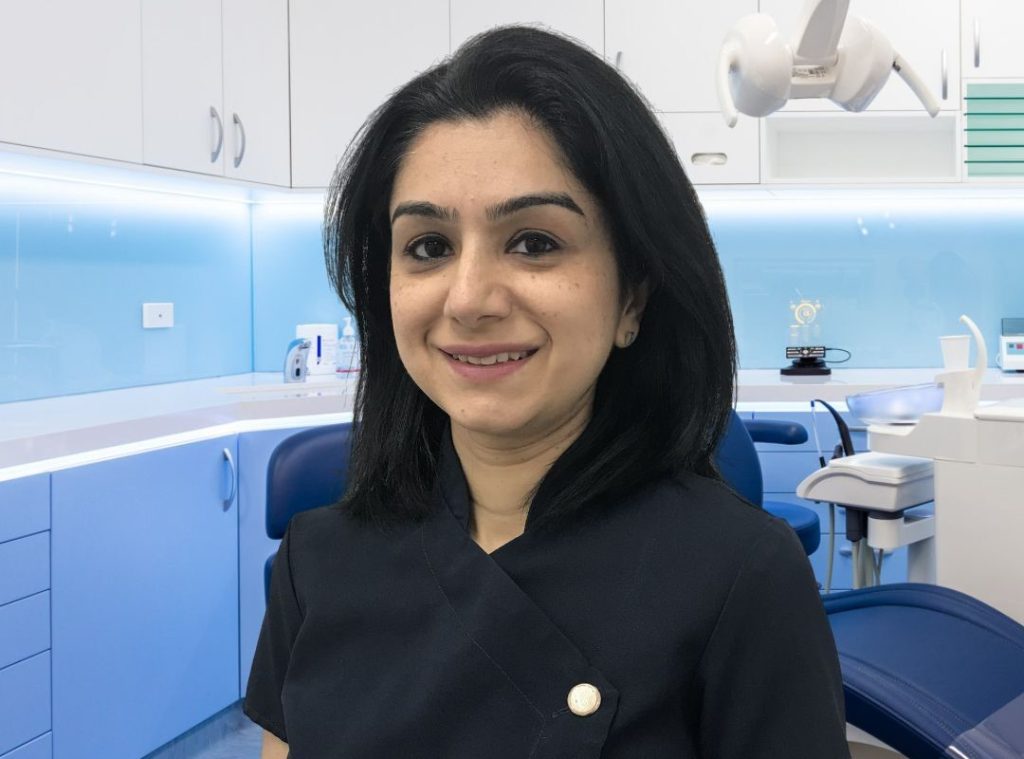
Dr Deepa, Principal Dentist for leading London dental practice, Whites Dental.