Five necessary checks to make when you are buying a used car
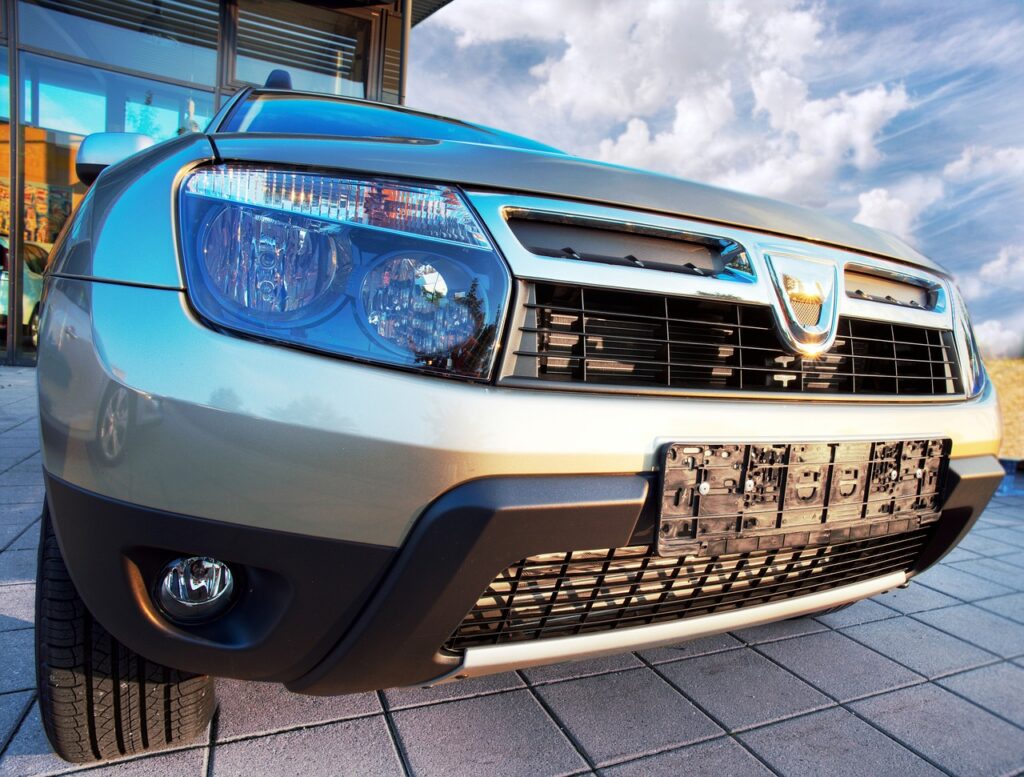
Buying a used car can be a smart financial decision, but it’s also a journey that demands caution and diligence. Whether you’re dealing with a private seller or a dealership, making sure the vehicle is both safe and legally sound is crucial.
The appeal of a lower price tag is undeniable, yet it’s easy to get caught out by hidden issues that could cost you dearly down the road. Taking the time to conduct a thorough inspection might be the difference between a wise investment and a costly mistake.
Documentation and history check
Before you even think about handing over any money, you need to scrutinise the car’s documentation.
A genuine seller should provide the V5C registration document, which confirms legal ownership. Check the details on this document against the car itself, including the Vehicle Identification Number (VIN) and number plate.
Additionally, an HPI check is non-negotiable. This reveals if the car has any outstanding finance, has been reported stolen, or was previously written off. Ensure you also examine the service history for regular maintenance, which is a good indicator of how well the vehicle has been cared for.
Exterior condition and bodywork
Look closely at the paintwork, checking for colour inconsistencies that may indicate previous repairs. Rust can be a red flag, so inspect wheel arches, the undercarriage, and door sills for corrosion.
Minor scratches and dings are normal, but bubbling paint often signals more serious underlying issues. Bring a magnet with you – if it doesn’t stick to certain areas, it could mean body filler has been used to cover damage.
Mechanical inspection and test drive
Never purchase a used motor without taking it for a proper test drive. Start the engine from cold and listen for any unusual noises like rattling or knocking.
Once on the road, test the steering for smoothness and ensure the vehicle doesn’t pull to one side, which could signal alignment issues. Accelerate and brake sharply to check engine responsiveness and brake efficiency.
Observe the dashboard for warning lights that might indicate deeper mechanical faults. Consider hiring a trusted mechanic to inspect the motor for hidden problems. It’s a small price to pay for peace of mind.
Interior condition and functionality
Upholstery should be free of excessive wear and tear, and the seats should adjust properly. Ensure all electronic components work, including the air conditioning, windows, infotainment system, and lights.
Don’t overlook the dashboard – any warning lights that remain on could signify expensive repairs. Pay attention to any unusual smells, particularly damp or musty odours, as they may indicate water leaks. Make sure all safety features, including seatbelts and airbags, are fully functional, too.
Tyres, brakes and exhaust
Inspect the tyres for even tread wear and ensure they meet the legal minimum depth of 1.6mm. Uneven wear could mean alignment or suspension problems. Examine the brake discs and pads for signs of excessive wear, such as grooves or thinning.
During the test drive, listen for any squeaking or grinding noises when braking, as this often signals the need for replacement. Don’t forget the exhaust system – watch for excessive smoke, which could point to engine issues.