Understanding the Cost of Vampire Appliances and How to Save
Energy efficiency might seem like a buzzword, and yes, it is a trending topic, but for good reason. It is undeniable that energy efficiency is becoming increasingly important for both environmental and financial reasons.
However, a silent culprit continues to drain power and increase utility bills in homes and businesses across the UK: vampire appliances. These devices, which consume electricity even when seemingly switched off, represent a significant yet often overlooked aspect of energy consumption.
What Are Vampire Appliances?
Before we dive into the costs and the solutions, the best place to start is by understanding what vampire appliances mean. Sometimes referred to as energy vampires, vampire appliances are devices that continue to draw power when left in standby mode.
Sure, if you look at how much energy they are consuming individually, these appliances are often using small amounts of electricity. However, collectively, they can account for up to 10% of a household’s energy bill.
So, what is considered a vampire appliance? Included on the list are:
- Entertainment systems: Televisions, gaming consoles, and set-top boxes are among the worst offenders. All of them continuously draw power to maintain quick-start capabilities and record programming.
- Kitchen appliances: Microwaves with digital displays, coffee makers, and modern refrigerators with smart features all consume standby power.
- Office equipment: Printers, computers, and monitors left in sleep mode rather than being fully powered down contribute significantly to wasted energy.
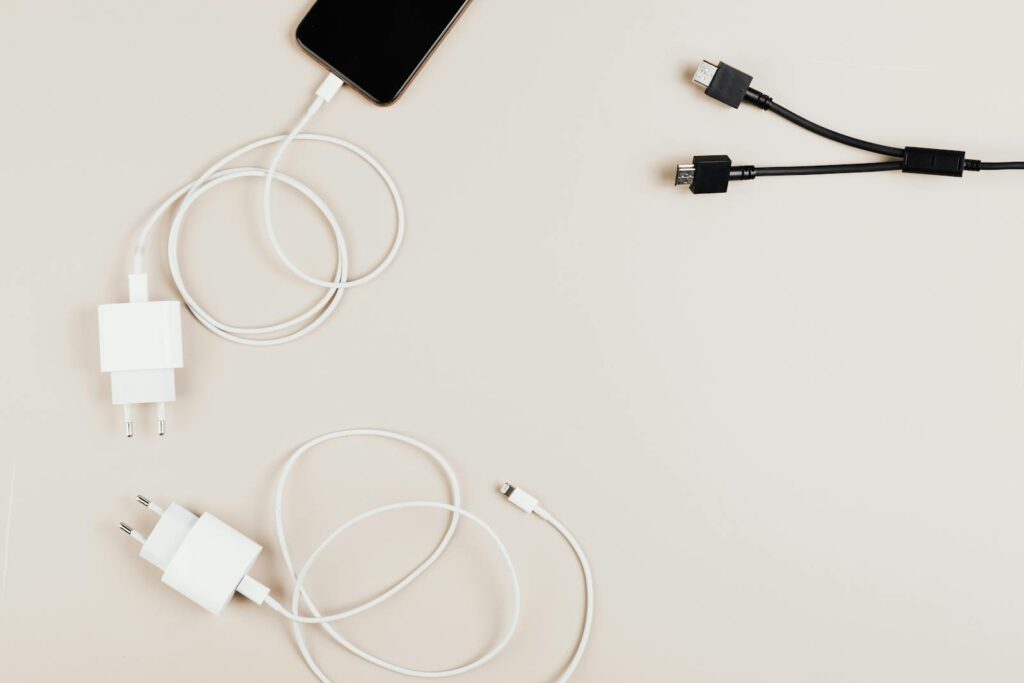
- Charging devices: Phone chargers, laptop adapters, and other power supplies continue to draw electricity even when not actively charging a device.
Why This Matters for Sustainability
A recent study by Sustain Commercial Solar revealed significant insights into this often-overlooked issue. The research specifically shows that appliances on standby can add between 5-10% to your annual electricity bill. Their study examined various business environments, from smaller corporations with 10-15 employees to larger operations with 100+ staff, and quantified the impact of leaving devices in standby mode rather than switching them off completely.
Furthermore, the report highlights that if all UK businesses addressed their vampire appliance usage, the collective energy savings would be enormous. Their findings emphasise that this represents a significant opportunity for reducing our national carbon footprint.
The study pointed out that addressing vampire energy consumption offers businesses a relatively straightforward opportunity to reduce operational costs while demonstrating environmental responsibility. Their research indicates that commercial settings, with their higher concentration of electronic equipment, stand to achieve even greater proportional savings than residential settings.
Practical Solutions to Combat Energy Vampires
Fortunately, tackling the issue of vampire appliances doesn’t require significant investment or technical expertise. Effective strategies include:
- Smart power strips: These devices automatically cut power to peripheral equipment when a main device is turned off, making them ideal for entertainment centres and computer setups.
- Timer plugs: Programmable outlets that can turn off power to devices during periods of non-use, such as overnight or during work hours.
- Energy monitoring: Using simple meters to identify which appliances on standby are the worst culprits, allowing for targeted action.
- Behavioural changes: Creating habits around completely switching off devices rather than leaving them in standby mode can lead to significant savings over time.
If businesses implement policies around powering down equipment at the end of the workday, they can yield substantial energy savings.
The Future of Energy Efficiency
As awareness of vampire appliances grows, manufacturers are responding with more energy-efficient designs. The EU’s Ecodesign Directive, which the UK continues to follow, has placed limits on standby power consumption for many devices. However, as our homes and workplaces become increasingly connected, with more devices than ever before, vigilance remains essential.
Smart home technology is emerging as a powerful tool in combating standby energy waste. Automated systems can now monitor and control power usage throughout a property, ensuring that devices are truly off when not in use while maintaining convenience for users.
Taking Action for Sustainable Energy Use
Understanding and addressing the impact of vampire appliances represents a win-win scenario for individuals and businesses alike. These steps might seem simple, but taking them will help to reduce standby power consumption. The result? It means we can lower energy bills, decrease carbon emissions, and contribute to a more sustainable future.
As energy costs continue to rise and environmental concerns become increasingly urgent, tackling the silent drain of vampire appliances is no longer an option; it’s a necessity for financially and environmentally responsible energy management.


