13 Ways to Save Money Quickly
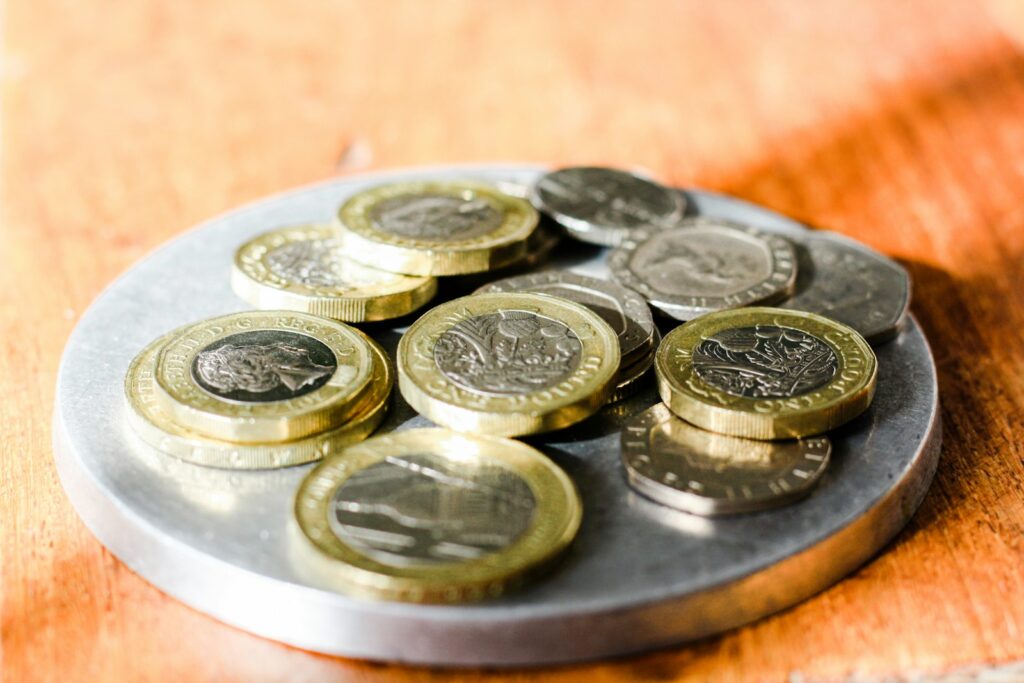
In times of global financial struggle, it’s always a good idea to put some money aside. While everyone will advise you to “invest!”, there are also other, smaller but quicker, options that can quickly add up to your budget. This is our selection of the best ways to save smart and fast.
1. Cancel Unused Subscriptions
Recurring payments are one of the usual suspects when you see money on your account just whooshing away every month. Go to your bank and PayPal transactions and turn off every forgotten streaming service and gym membership you’ve never used. You can use budgeting apps to help you with that (e.g., Emma, Snoop, or Moneyhub) and set reminders in your calendar to cancel free trials before they renew automatically.
2. Game Responsibly
Who doesn’t love having fun with iGaming? It’s great fun sitting down after a hard day and spinning a few slots at the best gambling sites without restrictions to relax and enjoy the excitement. But when playing, it’s advised to use only the best sites with reputable licences and consumer protections. A little excitement can take the edge off, but make sure to stay within budget. Enjoy yourself, but in good measure.
3. Switch Supermarkets or Downshift Brands
Sit down for a moment and see how much you’re losing by buying in major chain stores. Switching to Lidl or Aldi can save you 30-50% without a huge loss in quality. Many supermarkets have own-labels and budget versions that offer the same product without the fancy branding. Plus, looking out for yellow sticker reductions just before closing time is always a good option.
4. Use Cashback Sites
This is one of the most underrated ways of saving loads of money. Be sure to register on sites like TopCashback or Quidco before making any online purchases. Through these, you can earn as much as 15% cashback and keep stacking savings as cash, gift cards, or bonus boosts.
5. Batch Cook and Meal Plan
Too much food ends up in waste bins, while food banks require donations constantly. Planning meals and shopping lists can reduce the amount of food that will go to waste. Through planned cooking in batches, you can also save on your electricity bills and reduce the total time you spend at the stove. Even if you prepare too much, freeze it in portions or donate the excess.
6. Review Your Direct Debits
Having suboptimal deals with mobile and broadband providers can set you back a lot every month. Make sure to check when your contract is expiring and act quickly before you’re overcharged. Find cheaper providers through services like Uswitch and Compare the Market, or ask your current provider for a deal rather than staying silently loyal to them. Do the same with insurance policies and avoid the auto-renewal traps.
7. Cut Back on Takeaways and Coffee
“Fakeaways” are the new big trend – making quality coffee or tea to take with you from home. This can also include the lunch you’d order at work, or that late-night posh pizza in front of the telly. Indulging in a takeaway once in a while is great, but check the total of your Uber Eats spending and calculate how much you can save by just making a treat meal yourself.
8. Sell Unused Items
Most people are unaware of how much their homes are cluttered with things they don’t need or use. Clothing and shoes are the main culprits, but so is the furniture and larger items. Make a list and start decluttering your home. Whether through Facebook Marketplace or sites like Vinted or Depop, make some good photos and free up your space while earning a few hundred quid from the unused items.
9. Check for Council Tax Discounts
Council tax rates are increasing again, so it’s important to be sure you are in the correct band. Some households can qualify for Council Tax Reductions if they fall into the low-income category, while single adults in a property also get a 25% discount. Thousands of homes are not taxed correctly in the UK, so make sure you aren’t overpaying because of this.
10. Use Public Transport Smartly
Applying for a Railcard can be a great way to save money on rail fares if you fall under the right category. Contactless payment capping is often cheaper than buying day Travelcards if you’re going through bigger cities. For shorter distances, walking or cycling is both cheaper and healthier for you. However, if you commute regularly, consider a season ticket.
11. Try a No-Spend Challenge
Engaging in a challenge can be a great way to change your lifestyle to frugal mode. Set rules for a fixed period and spend money only on the most essential purchases. During this time, you can also list the habits that drain your budget the most. See which of them are cravings and which are real needs. Optionally, join one of the communities like the “No Spend” subreddit.
12. Turn Off Buy Now, Pay Later Apps
BNPL schemes are good, but can also lead to massive overspending. If you want to reduce the temptation, you can always just remove the apps. Ultimately, the best way is to treat your debit card like a budget: don’t spend what you don’t have. If you’re already a user, aim to pay them off quickly and then stop renewing.
13. Use Loyalty Schemes and Vouchers
Clubcards and vouchers for store loyalty schemes can save a lot, penny by penny. Combined with apps like VoucherCodes or Pouch that will automatically apply discounts and vouchers at online checkouts, you could see the results by the end of the first month.
Wrap-up
From using vouchers to save on groceries and clothes, by choosing the most cost-effective mobile plan and transport mode, to paying the right amount of taxes, there are so many ways through which you can save money every day. What’s important is to assess your spending habits objectively and start saving in the leakiest areas. You’ll see a big improvement in your budget sooner than you think.