Improving Equipment Mobility on Challenging Construction Sites
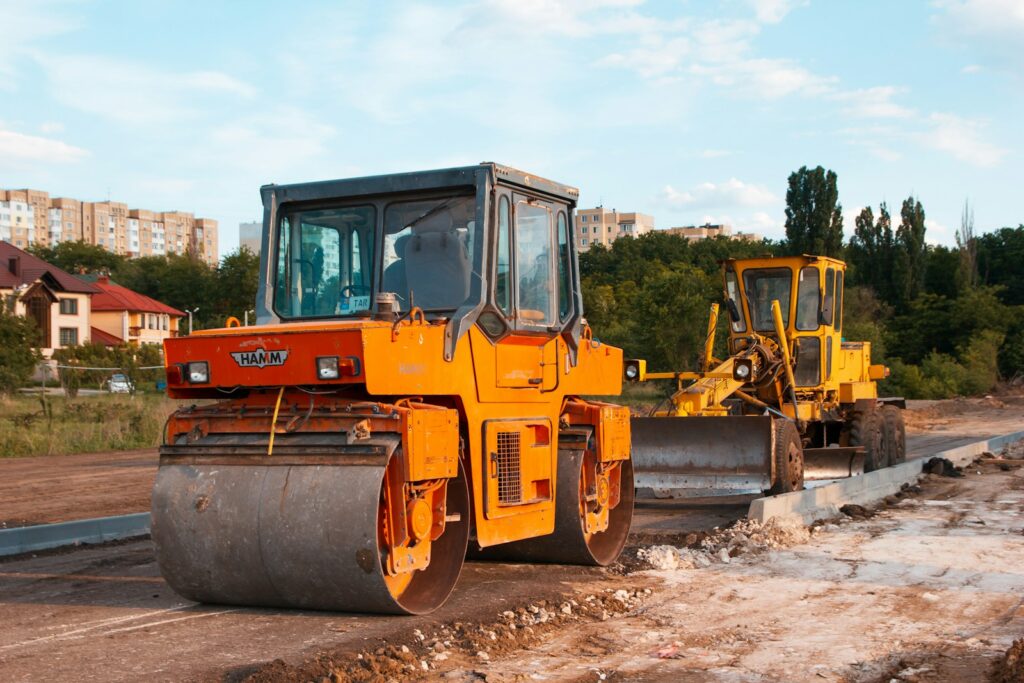
Construction sites are among the most complex environments to manage in terms of equipment movement. Uneven terrain, limited access routes, and constantly changing conditions all make mobility a demanding challenge. Without reliable mobility systems in place, project delays and safety risks become far more likely.
To maintain steady workflows and protect workers from strain, it is essential to select components designed for the realities of construction work. Strong, dependable wheels and castors are key to keeping heavy materials and tools moving efficiently across unpredictable surfaces.
Meeting the Demands of Tough Site Conditions
Standard wheels often fail to perform under construction pressures. They can become clogged, cracked, or stuck when exposed to mud, gravel, or uneven ground. This is where purpose-built industrial components make a difference. Products like high-performance heavy-duty castor wheels are designed to withstand these harsh conditions.
Coldene, as one of the only true UK-based manufacturers of industrial wheels and castors, has the flexibility and technical capability to engineer bespoke mobility solutions. Their expertise allows them to tackle complex movement challenges that generic suppliers cannot, offering responsive support for large-scale and custom construction applications.
Why Specialised Castors Outperform Standard Options
High-quality, heavy-duty castor wheels are designed to distribute loads evenly across various surfaces, reducing strain on both equipment and operators. Their reinforced frames and precision bearings enable consistent movement even under substantial weight. Whether moving scaffolding, generators, or tool stations, properly engineered wheels reduce downtime and prevent costly damage to site equipment.
The Mobility Challenges on Construction Sites
Construction work rarely takes place on stable ground. As surfaces change throughout the build, mobility systems must adapt quickly to keep projects on track. This means that castors must perform on everything from smooth concrete floors to compacted soil and uneven rubble.
Heavy-duty castors help manage these transitions effectively, allowing equipment to move safely without sinking or sliding. The right wheel profile provides balance and traction across multiple terrains, reducing the likelihood of tipping or overexertion.
Environmental Factors That Influence Performance
Site conditions, such as moisture, temperature fluctuations, and debris accumulation, all impact wheel performance. Regular cleaning helps prevent build-up that could restrict movement, while corrosion-resistant materials maintain functionality even in wet weather. Equipment fitted with heavy-duty wheels and castors maintains stability and control through the variable demands of outdoor and indoor work areas.
Selecting the Right Castor Configuration for Site Equipment
Choosing the correct configuration can significantly improve handling and stability. Fixed castors provide excellent strength and control for straight-line movement, while swivel castors allow greater manoeuvrability in confined or irregular spaces. Many construction teams combine both types to achieve balanced performance, providing workers with flexibility without compromising load capacity.
Balancing Mobility and Safety
Locking mechanisms are essential for construction sites, allowing workers to stabilise mobile equipment during loading or operation. A total-lock system secures both the wheel and swivel motion, ensuring stationary stability when needed. This control is vital for scaffolds, storage racks, and work platforms where precision and safety are priorities.
Material Selection for Harsh Environments
Material choice defines how well wheels and castors perform over time. Polyurethane wheels handle heavy loads smoothly while protecting finished surfaces, making them suitable for both internal and external construction areas. Rubber options absorb shocks from rough terrain and offer quieter operation, while steel and cast iron provide maximum strength in debris-heavy zones.
Composite designs blend materials to achieve the right balance of durability, floor protection, and weight capacity. Reinforced polyurethane and high-impact nylon are increasingly popular due to their ability to withstand demanding site conditions without cracking or degrading.
Adapting to Changing Ground Conditions
Sites evolve daily, with surfaces that shift as work progresses. Heavy-duty castors designed with sealed bearings and reinforced housings withstand these constant changes, maintaining movement efficiency even as conditions deteriorate. Regular inspections help identify wear early, preventing small issues from turning into equipment failures.
Load Management and Capacity Considerations
Each piece of site equipment has unique load demands. Calculating the combined weight of materials, machinery, and tools helps determine the required castor load rating. Choosing equipment with sufficient capacity ensures safe transport and prevents wheel deformation or failure.
Preventing Overloading and Equipment Damage
Overloading castors increases the risk of wheel damage, uneven wear, and loss of control. Spreading the weight evenly across all castors and ensuring each is correctly rated for its share of the load maintains consistent operations. Using caster heavy-duty wheel designs that incorporate high-strength bearings helps maintain balance and performance under demanding conditions.
Integrating Heavy Duty Mobility into Site Planning
Integrating mobility systems early in project planning improves both efficiency and safety. When trolleys, tool stations, and workbenches are designed with built-in mobility, materials move smoothly between areas without excessive manual handling. This reduces physical strain and speeds up workflows, allowing crews to focus on core construction tasks.
Enhancing Workflow Efficiency
Mobility planning should consider site access routes, gradients, and available space. The strategic placement of equipment ensures that mobile platforms can travel without obstruction. Using high-quality, heavy-duty wheels and castors ensures reliable movement across all stages of construction, preventing costly bottlenecks and minimises delays caused by equipment immobility.
Maintenance for Long-Term Durability
Durability depends on consistent maintenance. Construction environments expose equipment to dust, moisture, and impact, so scheduled inspections are vital. Cleaning wheel treads, tightening fixings, and checking bearing lubrication all extend service life and ensure smooth operation.
Establishing a Maintenance Routine
A basic maintenance schedule should include daily visual inspections for damage and weekly cleaning to remove debris. Greasing bearings and swivel joints protects components from corrosion and reduces friction. Replacing worn or cracked castors promptly prevents further wear on supporting structures and keeps machinery stable under load.
Training and Safety Awareness on Site
Even with the best equipment, safety relies on correct usage. Site staff should receive regular training on handling heavy mobile units, engaging locks properly, and distributing weight across multiple wheels. Awareness of site-specific hazards—such as uneven surfaces or sloped areas—helps prevent accidents and ensures that mobility systems are used correctly.
Promoting a culture of responsibility ensures that everyone on site contributes to maintaining safe practices. When workers understand how heavy-duty castors function and how to maintain them, they are more likely to identify wear, misuse, or hazards before issues arise. Regular refreshers keep safety knowledge current and reinforce the importance of daily checks.
Enhancing Construction Site Efficiency Through Mobility
Effective mobility is critical to safe, efficient construction operations. High-quality wheels and castors allow crews to transport materials and equipment with less effort, reducing both downtime and physical strain.
Investing in durable, well-maintained mobility equipment today lays the groundwork for faster, safer, and more efficient construction projects in the years ahead.