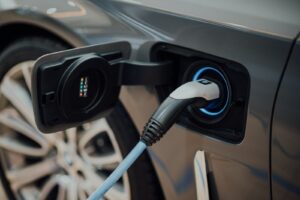
Why EV Charging Is a Smart Business Move Across the South East

As electric vehicles (EVs move rapidly from niche to mainstream on UK roads, businesses across South East England are increasingly recognising the commercial value of investing in EV charging. From strengthening sustainability credentials to improving workforce mobility, EV charging infrastructure is no longer a “nice to have” — it is fast becoming a core business asset.
Across office parks, industrial estates, retail centres and mixed-use developments, EV charging supports both immediate operational needs and long-term strategic goals. Crucially, smart charging tools — such as an EV charging card for business — are helping companies manage the transition efficiently and cost-effectively.
EV Adoption Is Reshaping Business Travel
The South East is a viral component of the UK’s transport and logistics network, making it a key region for EV adoption. As more employees, customers and fleet vehicles switch to electric, expectations around charging access are rising. Businesses that fail to adapt risk falling behind competitors that are already catering for the needs of EV drivers.
Installing EV charging at business premises sends a clear signal that a company is forward-thinking, environmentally responsible and prepared for the future of transport.
The Commercial Benefits of Business EV Charging
Supporting Sustainability and ESG Goals
EV charging infrastructure provides a visible and measurable contribution to environmental targets. For businesses working towards Environmental, Social and Governance (ESG) commitments, charging points offer a practical way to reduce transport-related emissions while reinforcing corporate responsibility messaging.
Attracting and Retaining Employees
Workplace EV charging is increasingly viewed as a valuable employee benefit. For staff who drive electric vehicles, access to charging at work can significantly reduce running costs and eliminate concerns about range or availability. As competition for talent intensifies, offering EV charging can help businesses stand out as progressive and employee-focused.
Increasing Customer Dwell Time and Spend
For retail, leisure and hospitality businesses, EV charging can directly influence customer behaviour. Drivers who stop to charge typically spend longer on site, increasing the likelihood of additional purchases or engagement with on-site services.
Preparing for a Low-Emission Future
With petrol and diesel vehicles being phased out over the coming decade, EV charging infrastructure helps businesses future-proof their premises. Installing chargers now avoids rushed or costly upgrades later and ensures sites remain fit for purpose as EV ownership continues to grow.
The Importance of Flexible Charging Beyond the Workplace
While on-site chargers are essential, many businesses also rely on employees who travel regularly or operate vehicles across multiple locations. In these cases, access to public charging is just as important as workplace infrastructure.
This is where an EV charging card for business plays a key role. Similar to a traditional fuel card, it allows drivers to access a wide network of public charging points using a single card, removing the need for multiple apps or payment methods.
For businesses managing company cars, sales teams or light commercial fleets, this simplifies charging on the road while keeping costs visible and controlled.
Benefits of an EV Charging Card for Business
Using an EV charging card alongside workplace chargers helps businesses maintain consistency and control across all charging activity. Key advantages include:
- Simplified driver experience, with one card usable across multiple charging networks
- Centralised billing, reducing administrative burden and simplifying expense management
- Improved cost visibility, supporting better budgeting and fleet oversight
- Reduced downtime, keeping employees and vehicles moving efficiently
Together, workplace charging and charging cards create a joined-up approach that supports both fixed locations and mobile operations.
A Strategic Investment for South East England Businesses
EV charging is no longer just about compliance or environmental goodwill — it is a commercial decision that supports growth, resilience and competitiveness. Businesses that invest early stand to benefit from improved employee satisfaction, stronger customer engagement and a smoother transition to electric mobility.
As EV adoption accelerates, combining physical charging infrastructure with flexible solutions like an EV charging card ensures businesses are well-prepared for the demands of a rapidly changing transport landscape.