Spotting Home Moisture Problems Before They Damage Property Value
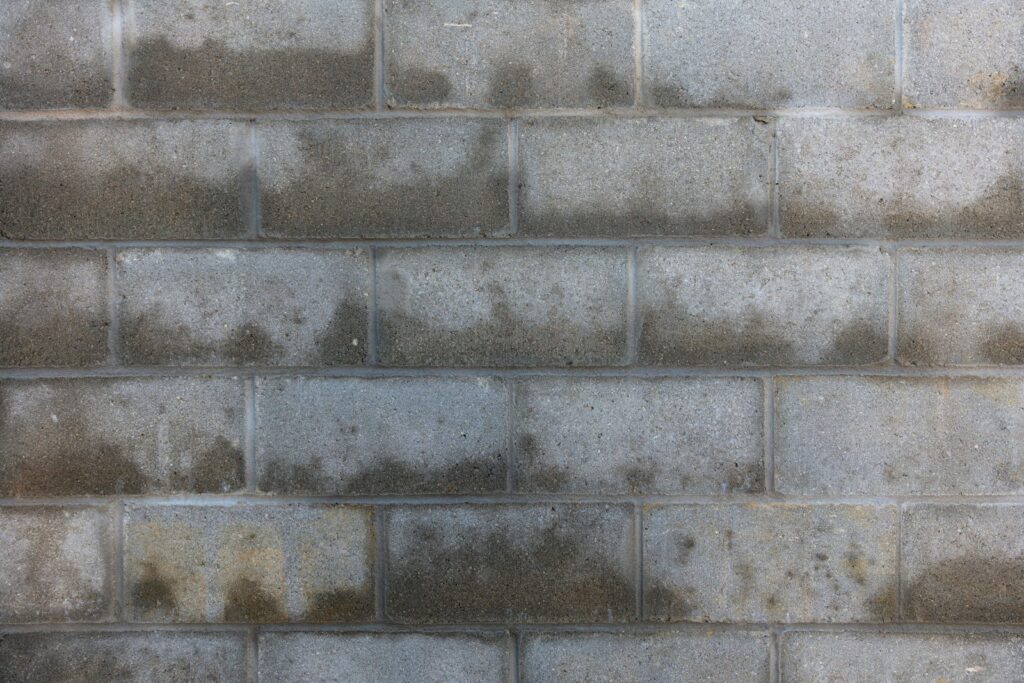
Moisture problems in homes often start as subtle warning signs that many property owners overlook until significant damage has occurred. A small water stain on the ceiling, musty odours in certain rooms, or peeling wallpaper might seem like minor inconveniences, but these can indicate serious underlying issues that threaten both property integrity and value.
The climate in Southampton, with its coastal proximity and varying weather patterns, creates particular challenges for homeowners. Properties in this region face distinct moisture risks due to the combination of rainfall, humidity levels, and the architectural characteristics of local buildings. These environmental factors can speed up damp problems if left unchecked.
Early detection of moisture issues is necessary for preventing extensive damage. When dampness takes hold in a property, it can compromise structural elements, create unhealthy living conditions, and significantly reduce market value. Spotting the common signs of moisture problems and knowing when to arrange professional assessment can help homeowners avoid costly repairs and protect their investment for years to come.
Hidden Moisture Signs That Damage Property Values
Undetected moisture issues can have a significant impact on home values. Damp problems often spread silently behind walls and under floors before becoming visible, and by the time they are noticed, the damage may be extensive and costly to fix.
The most commonly overlooked warning signs include musty odours that appear and disappear with weather changes, peeling wallpaper or paint at lower wall sections, and discoloured skirting boards that feel soft when pressed. Dark patches on walls that appear damp and then dry out can also signal a hidden problem.
Southampton properties face particular moisture challenges due to the region’s coastal climate. Higher humidity levels combined with seasonal rainfall patterns create conditions for damp to develop. Professional damp proofing in Southampton can address these issues, especially in older properties with solid walls that lack cavity wall construction that helps prevent moisture transfer.
Recent regulatory changes have increased pressure on landlords to address damp and mould hazards promptly, with Awaab’s Law mandating that emergency damp and mould hazards in rented properties must be investigated and addressed within as little as 24 hours. This creates a higher standard for rental accommodation in Southampton.
While Awaab’s Law specifically targets landlords, it signals a broader push towards swift action for all property owners. Homeowners may risk falling behind on maintenance and protection of their property’s value if they do not act quickly when moisture warning signs emerge.
Main Areas Where Moisture Problems Begin
Knowing where moisture problems usually start can help homeowners spot issues early. Four main areas deserve special attention during regular home inspections.
Bathroom and Kitchen Moisture Pathways
Bathrooms and kitchens generate a lot of steam and moisture, which can collect on walls and ceilings if not managed well. Poor extraction is often the problem. When ventilation does not remove enough steam, water can build up on surfaces and soak into paint, plaster, or wood.
Warning signs include deteriorating tile grout that becomes powdery or discoloured, and sealant failure around baths, showers and sinks. These seemingly minor issues can allow water to penetrate behind tiles and into wall cavities.
External Moisture Entry Points
External elements often provide the first entry point for moisture problems. Compromised roof flashings around chimneys and vents frequently allow water to penetrate attic spaces and eventually ceilings. Blocked or damaged gutters can cause water to overflow against exterior walls, leading to penetrating damp.
Window and door frames show distinctive wear patterns when moisture problems develop. Paint blistering, softening wood, and mould growth in corner joints are early indicators that water is finding its way into the building fabric.
Ground-level drainage issues are common in Southampton properties due to the region’s clay soil conditions. Poor drainage around foundations can lead to rising damp as ground moisture is drawn up through porous building materials.
DIY Moisture Detection Methods That Actually Work
Homeowners can use several reliable methods to spot moisture problems before they cause serious damage. These approaches do not replace professional assessment, but they can help determine when specialist help is needed.
A basic pin-type moisture meter is generally available at an affordable price. It measures electrical resistance by pressing two metal pins directly into the surface material. Users should consult their device manufacturer’s guidelines and reference UK industry standards for accepted levels.
Thermal imaging is now more accessible as smartphone attachments are available at a range of prices. These tools reveal cooler patches on surfaces, which can indicate hidden moisture since damp areas release heat more slowly than dry materials.
Simple condensation tests can also help highlight ventilation problems. Placing a cool mirror in a bathroom or kitchen after showering or cooking shows how fast moisture disappears from the surface. If condensation lingers beyond several minutes, ventilation in the room may not be sufficient.
Keeping a photographic record with notes over several weeks allows for tracking any changes. When small patches or stains steadily grow, or paint or plaster continues to flake, this can indicate an underlying issue is worsening.
The Financial Impact of Early vs Delayed Moisture Treatment
The financial case for early intervention is strong. Addressing moisture problems promptly can help avoid the much higher costs associated with major repairs after significant damage has occurred.
Property value impacts can also be severe. Homes with ongoing moisture issues may sell for less than similar properties without such problems. On an average Southampton property, this could represent a notable financial loss.
Insurance considerations add another financial dimension. Many insurers now require documentation of regular property maintenance, with undocumented moisture issues potentially invalidating claims for resulting damage.
Energy costs also tend to rise in damp properties. Damp walls can reduce insulation effectiveness, leading to higher heating bills and increased energy usage for affected households.


