The Psychology Behind Why Fans Gather for Major Sporting Events
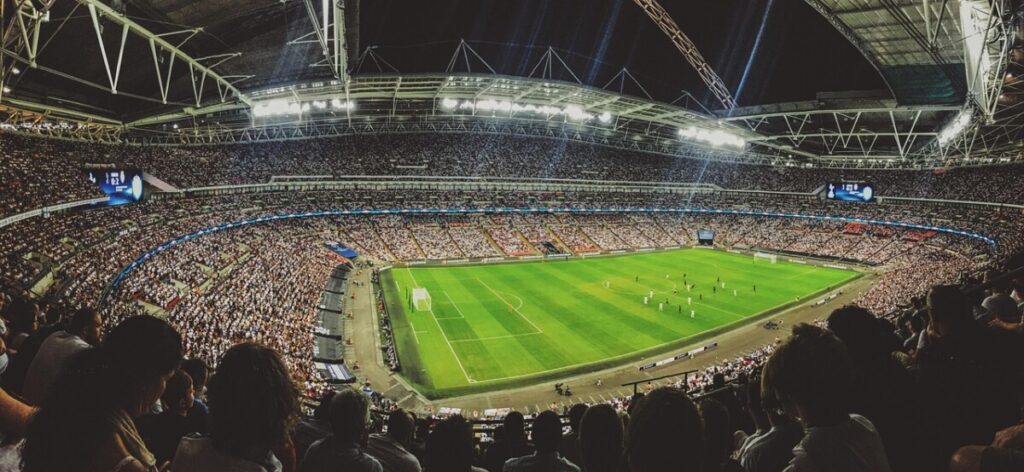
Major sporting events continue to draw large crowds despite changes in how people consume entertainment. Stadiums fill, public viewing areas grow busy, and communities gather around screens because sport offers more than competition. These events create shared moments that feel meaningful, familiar, and emotionally engaging. People are not only watching a game unfold. They are participating in a collective experience that brings routine, connection, and shared focus.
Sport provides structure in a fast-paced world. Matchdays offer something predictable and communal, giving people a reason to come together and engage with others in a relaxed but emotionally charged environment. The draw of major events lies in how they encourage connection, shared reactions, and a sense of belonging that many people find harder to achieve elsewhere.
Shared Experiences and Emotional Connection
Gathering for major sporting events allows people to experience emotions together rather than alone. The reactions of those around us shape how moments are felt and remembered. Celebrations become louder, disappointment feels shared, and anticipation builds through collective focus. This emotional synchrony strengthens how people connect to both the event and the people present.
Fans often seek out environments where shared reactions feel natural. That might be inside a stadium, at a local venue, or through interactive platforms that allow engagement alongside others. Some supporters also extend this experience into digital spaces, including online sports betting, where discussion and shared interest continue before and after matches. These connected environments help maintain the feeling of being involved, even outside physical gatherings.
When people react together, they feel understood without explanation. A cheer, a groan, or a moment of silence communicates emotion instantly. This kind of shared understanding builds comfort and encourages people to return for future events.
Belonging and Group Identity
Sporting crowds offer an immediate sense of belonging. Wearing team colours, following rituals, and supporting the same side creates instant familiarity between strangers. Fans do not need introductions or shared history. Supporting the same team is enough to feel connected.
This group identity helps people feel included. Attending events becomes a social anchor, especially for those seeking connection outside work or family life. Matchdays provide an easy way to engage socially without pressure, as conversation and interaction flow naturally around the event.
Group identity also strengthens emotional investment. Fans feel proud when their team performs well and resilient when results are disappointing because those emotions are shared. The presence of others reinforces the idea that support continues regardless of outcome.
Tradition and Routine in Sporting Culture
Many sporting events are built around long-standing traditions. Familiar chants, repeated rituals, and seasonal competitions give fans a sense of continuity. These routines make events feel reliable and grounded, even as other parts of life change.
Tradition also connects generations. People often attend events they once experienced with family or friends, carrying those memories forward. This continuity deepens emotional attachment and reinforces why gatherings remain meaningful year after year.
Rituals play an important role in creating atmosphere. Repeated actions give fans a way to participate beyond watching. Joining in helps people feel active rather than passive, strengthening their connection to both the event and the crowd.
Emotional Intensity of Live Gatherings
Being present at a live sporting event creates a different emotional response than watching alone. The energy of a crowd sharpens focus and heightens reactions. Sounds, movement, and shared anticipation draw people fully into the moment.
These heightened emotional states make memories stronger. Moments experienced in a crowd are often recalled more vividly because the emotions felt were amplified by others. This intensity explains why fans often describe live attendance as unforgettable, even when the match itself is not exceptional.
The shared environment also encourages people to express emotion freely. Reactions feel appropriate and supported when mirrored by those nearby. This emotional openness strengthens the appeal of live gatherings.
Social Interaction Beyond the Match
Sporting events provide natural opportunities for social interaction. Conversations start easily around predictions, reactions, and shared opinions. These interactions may be brief, but they contribute to a sense of community and shared purpose.
For some, these interactions grow into lasting social connections. Supporter groups, regular meetups, and repeat attendance help relationships develop over time. Even informal recognition between regular attendees adds to the feeling of belonging.
Social interaction around sport also offers relief from everyday pressures. Conversations focus on the event rather than personal concerns, creating a space where people can relax and enjoy the moment.
Digital Participation and Modern Fan Engagement
While live attendance remains important, digital platforms now complement how fans connect. Online discussions, live commentary, and shared reactions help extend the experience beyond physical locations. These platforms allow fans to stay engaged when attending in person is not possible.
Digital participation works best when it supports rather than replaces physical gatherings. It keeps fans connected between events and helps maintain interest, anticipation, and discussion. This blended approach allows supporters to stay involved in ways that suit their circumstances.
The flexibility of modern engagement ensures that fans can remain part of the sporting community year-round, even when separated by distance or time.
Why Fans Keep Coming Back
People return to major sporting events because the experience offers emotional reward, social connection, and a sense of routine. Each event reinforces familiarity while still offering unpredictability and excitement. This balance keeps interest strong.
The feeling of being part of something larger than oneself is powerful. Sporting gatherings remind people they share interests, emotions, and traditions with others. That shared focus builds comfort and encourages continued participation.
Over time, attending events becomes part of personal identity. Fans see themselves as supporters, members of a crowd, and contributors to the atmosphere that makes sport special.
Stay Connected Through the Power of Sport
Sporting events continue to bring people together because they meet fundamental social and emotional needs. They offer belonging, shared emotion, and meaningful routine in a way few other activities can. Whether attending in person or engaging through connected platforms, staying involved in sport helps people maintain social ties and emotional wellbeing.
Choosing to participate keeps those connections alive. Joining a crowd, sharing reactions, and engaging with fellow fans allows the experience to extend beyond the final whistle. Sport remains a powerful way to feel connected, involved, and part of something that matters.