South Oxfordshire leads England for data centre planning applications
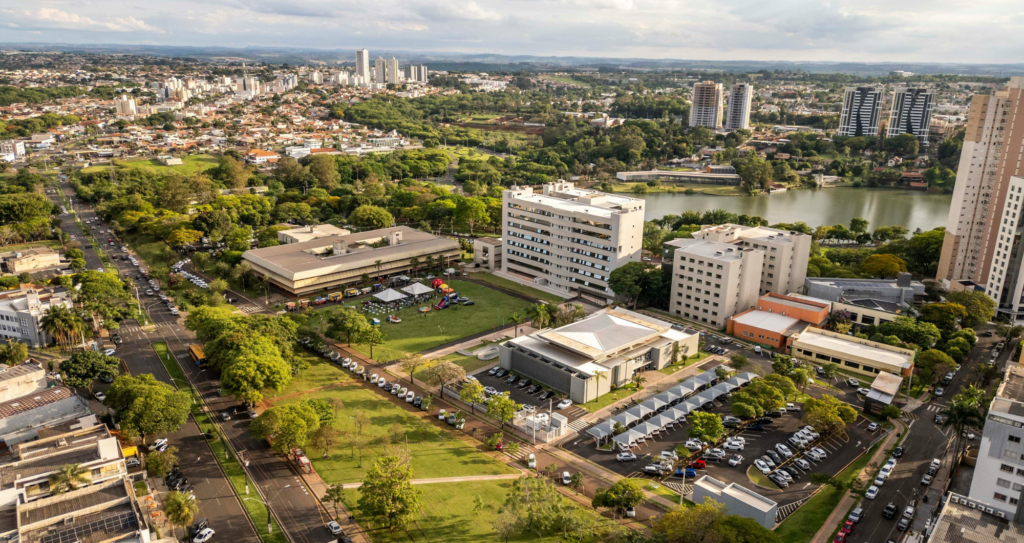
South Oxfordshire has become England’s leading area for data centre development, according to new figures from 2580 Group.
The company, which provides professional data centre cabling and installation services, submitted Freedom of Information requests to councils across the country, asking how many planning applications they had received for data centre developments, including schemes classified as sui generis or otherwise identified as data centres. Councils were also asked how many of those applications had been approved.
South Oxfordshire District Council received seven data centre planning applications between 2021 and 2026. This was the highest number among the councils that provided figures.
Of those seven applications, six were approved, giving South Oxfordshire one of the strongest approval totals in the country.
Only Sheffield City Council and Buckinghamshire Council recorded similar numbers, with each council receiving six applications.
The findings come as demand for digital infrastructure continues to grow across the UK.
In total, 50 councils provided data to 2580 Group. Together, they recorded 84 data centre planning applications, of which 54 were approved.
The figures also show that planning applications for data centre developments doubled in 2025. Applications rose by 100%, from 13 in 2024 to 26 in 2025.
This followed a 44% increase the year before, with applications rising from nine in 2023 to 13 in 2024.
Commenting on the findings, Michael Scott, Director of 2580 Group, said: “Data centres are a critical part of our national infrastructure. These sites provide the power and capacity needed to run the digital tools that businesses and consumers now rely on every day, from the internet and apps like Instagram and Facebook to CRMs and Large Language Models like ChatGPT and Claude. As demand grows, developers, investors and councils will need to think carefully about where new data centres are built and how they are delivered.
“For businesses like ours, this growth creates a real opportunity to support clients across planning, site strategy, stakeholder engagement, infrastructure delivery and commercial development. There’s a significant amount of work across the supply chain, especially for cabling and infrastructure providers.
“But it’s important to remember that data centres are highly technical environments with strict standards. Businesses need the right experience, proper training and a clear understanding of what’s required. Without that, it can be difficult to secure work.
“The businesses that invest in training, take a professional approach and deliver consistent quality are the ones that will win work and keep it. Once you build that reputation, there’s a strong opportunity for repeat projects, but getting to that point takes time.
“We expect this trend to continue as demand for data keeps growing. More businesses will enter the market, but long-term success will come down to quality and reliability. It’s not just about being there at the right time, it’s about being able to deliver.”
The rise in applications highlights the growing importance of data centres as more businesses rely on cloud services, artificial intelligence tools, online platforms and digital storage.