SEO, PPC or Social Media? Where Should Local Businesses Invest Their Marketing Budget?
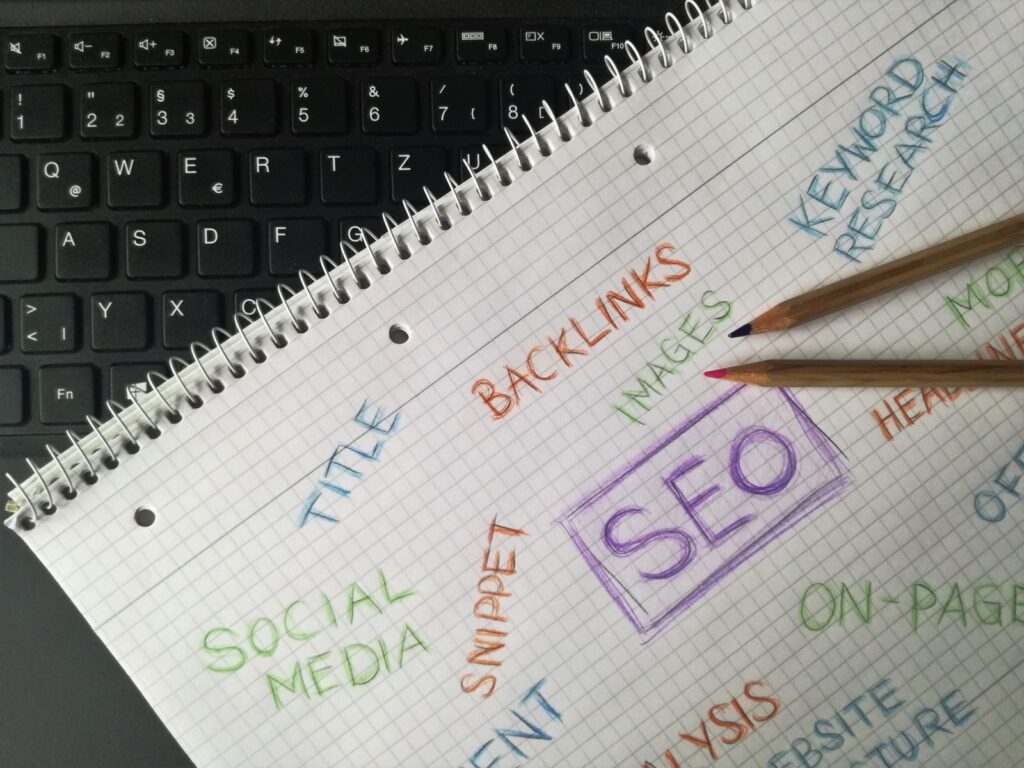
A hairdresser in Leeds spent three months optimising a website to rank high for “hair salon near me.” However, a competitor with a smaller budget attracted more customers using a single targeted Facebook ad. This does not mean SEO failed; the money was simply allocated to the wrong method.
Business owners across the UK face a constant challenge: deciding where to allocate their next marketing pound. Should the focus be on organic search engine rankings, paid online ads, or social media growth? The numbers illustrate this struggle.
According to the IAB, digital ad spending in the UK is expected to reach £45 billion by the end of this year, with search advertising projected to capture 44%. This substantial spend highlights how crucial choosing the right channel is, a point often overlooked by many small businesses.
The actual situation is more complex. Search Engine Optimisation (SEO), Pay-Per-Click (PPC) advertising, and social media advertising serve different requirements. The best combination depends on what a business offers, who its customers are, and how fast it needs outcomes.
SEO Helps Build Long Term Visibility
Search Engine Optimisation (SEO) is a gradual process. It helps make a website more visible to search engines like Google for terms that customers often search for, such as “emergency plumber in Bristol” or “wedding florist in Cardiff.” When a page ranks highly, it can consistently generate leads without ongoing advertising costs.
However, SEO needs patience. It typically takes longer than a few weeks to see results, and it works best for websites with well-established credibility. So, a new business that needs bookings right away might find SEO too slow as a standalone strategy.
PPC Delivers Fast Results When Needed
Pay-Per-Click (PPC) ads get you noticed right away, which is great for businesses like restaurants with empty tables or tradespeople with slow weeks. PPC provides accurate control. You can target specific areas, services, and times, and even stop the ads when they are no longer profitable.
The downside is the cost. When your budget runs out, your visibility does too. In competitive fields like personal injury law or home insurance, the cost per click can quickly cut into your profits.
Social Media Creates Local Customer Trust
Social media helps people confirm that a business is legitimate and reliable. This is true for businesses that rely on personal interactions, visual appeal, or customer referrals. Essentially, it’s about showing your customers you’re a real person, not just a faceless brand.
According to Fashion Network, 63% of UK adults have visited a shop or hospitality venue within the last year after being influenced by content they saw on social media. This statistic further explains why social channels have become the second most popular way to discover local brands, right after recommendations from friends and family. A quick video showing what a business does can build more trust with customers than written descriptions alone.
How to Align Spend With Goals
Businesses don’t have to choose just one marketing channel. A small business could utilise SEO to build visibility over time while using paid ads (PPC) to attract customers who need what they offer now. They could also use social media to keep in touch with customers between purchases. To help align your budget with specific objectives, use this decision framework:
| Priority Goal | Best Primary Channel | Expected Timescale | Key Advantages |
| Immediate leads or quick sales | PPC Advertising | Days to weeks | Instant visibility and precise local targeting |
| Long-term growth & lower cost-per-lead | SEO | 3 to 6+ months | Sustainable traffic without ongoing ad costs |
| Brand trust, visual appeal & engagement | Social Media | Ongoing | Direct customer connection and social proof |
According to a digital marketing agency in Devon, local businesses shouldn’t just choose the most popular channel; they need to align their investment with their specific goals. Whether you need immediate leads or long-term visibility, success comes from weighing what you sell, who you serve, and how quickly you need results, turning guesswork into a clear path with defined actions.
In many cases, you might be spending money on ads for something people in your area are not even searching for yet. Discussing options with someone who regularly reviews marketing budgets can turn guesswork into a clear path with defined actions.
What really counts is getting enquiries and paying customers, not just numerous people seeing your ad or how many followers you have. A campaign that does not reach many people but keeps your schedule full is better than one that reaches several people but brings in no business.
Conclusion
SEO, PPC, and social media each provide distinct advantages, meaning most local businesses benefit from combining them. Begin by defining clear goals and timelines, then allocate funds based on those specific objectives rather than current trends. Check results every three months to shift the budget toward the channels bringing in the most business.