South East Retailers Are Quietly Ditching Plastic for Good
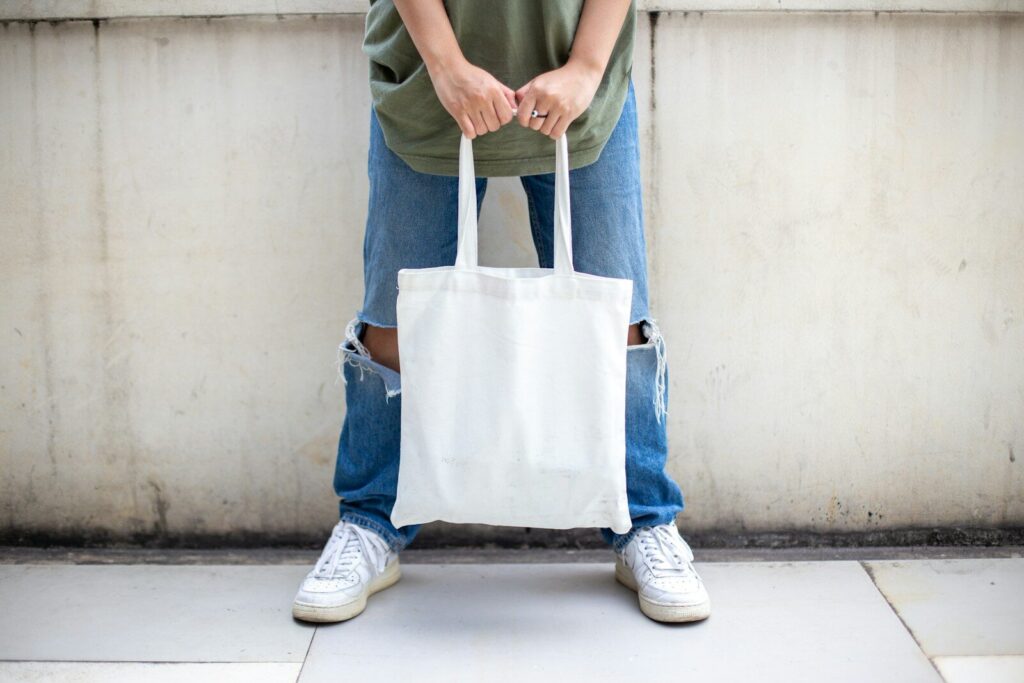
Independent retailers across the South East have been gradually phasing out single-use plastic packaging for several years now, but the pace of change has picked up noticeably over the past twelve months. Speaking to shop owners from Kent to Hampshire, a clear pattern emerges: businesses that once offered a token paper bag at checkout are now actively selling or gifting cotton tote bags branded with their own logo, turning a practical necessity into a small but effective piece of marketing.
A Regional Shift With National Momentum Behind It
The move away from plastic packaging has been building across the UK retail sector for years, driven by consumer expectation as much as regulation. In the South East specifically, independent retailers tell us the shift has accelerated as customers increasingly expect a reusable option at the till, rather than treating it as a novelty.
Several shop owners we spoke to described customers actively asking for a fabric bag option even when one was not immediately obvious on display, suggesting the expectation has shifted from being retailer-led to genuinely customer-driven.
This shift has been particularly noticeable among younger shoppers across the region, several retailers noted, with a generation raised on sustainability messaging now actively steering their spending toward businesses that visibly reflect those values in something as simple as their packaging choices.
Turning a Practical Item Into Free Advertising
What has struck several of the retailers we interviewed is how effectively a well-designed branded tote functions as ongoing, passive advertising once it leaves the shop. Unlike a plastic bag destined for the bin within days, a decent quality cotton tote gets reused repeatedly, often for years, carrying a shop’s branding into supermarkets, train stations and high streets well beyond its original point of sale.
For small, independent businesses working with limited marketing budgets, this repeat visibility represents genuinely good value, particularly when compared with the cost of more conventional advertising options available to businesses of a similar size.
The Quality Question Retailers Are Grappling With
Not every retailer has got this transition right. Several shop owners admitted to early missteps, ordering flimsy totes that tore within weeks or faded badly after a handful of washes, undermining the very sustainability message they were trying to send. That experience has pushed many toward more considered supplier choices, prioritising fabric weight and construction over simply finding the cheapest option available.
This more considered approach mirrors a broader trend among South East independents toward treating branded merchandise with the same scrutiny they would apply to any other business investment, rather than as a box-ticking exercise.
One Kent-based homeware shop told us they went through two different suppliers before settling on one whose bags actually held up to regular use, describing the earlier false starts as a genuinely useful, if slightly costly, lesson in prioritising quality over unit price.
Community Identity Wrapped Into a Simple Bag
Beyond the practical and marketing benefits, several retailers described their branded totes as a genuine point of local pride, spotted at farmers’ markets, school gates and train platforms across their local area. For businesses deeply embedded in their local communities, that visible, everyday presence carries a value that goes beyond straightforward advertising.
It is a small detail, but one several shop owners mentioned unprompted when asked what had changed most about how they think about packaging and branding over the past year.
What This Means for South East High Streets
As plastic packaging continues its slow disappearance from South East high streets, the businesses getting the most value from this transition appear to be those treating it as a genuine branding opportunity rather than a compliance exercise. A well-made, well-branded reusable bag costs more upfront than a token plastic alternative, but the retailers we spoke to consistently described it as money well spent.
For independent businesses across the region still weighing up the switch, the message from those who have already made the change is consistent: get the quality right, and the bag pays for itself many times over in ongoing visibility alone.
Several retailers also pointed to a less obvious benefit, that offering a genuinely nice reusable bag has become a small but noticeable point of customer loyalty, with regulars specifically asking for one when they run out or lose theirs, something that never happened with disposable plastic alternatives.