A Look At How Nature Can Support Emotional Wellbeing
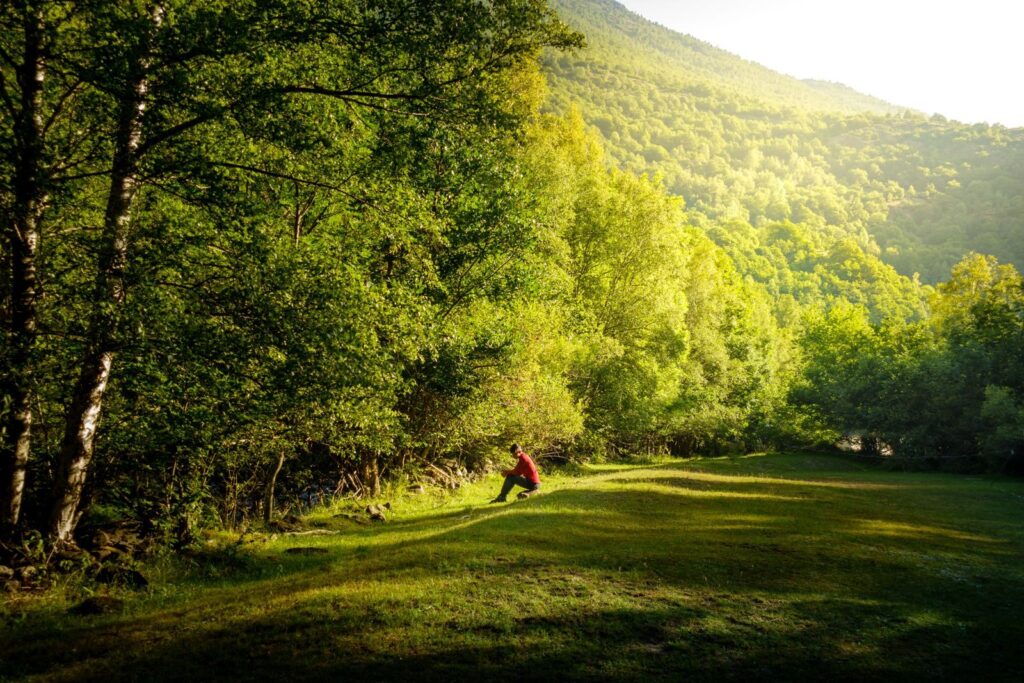
There is something about being outside that can make life feel a little less overwhelming. A walk through the woods, half an hour in the garden or even sitting somewhere quiet with a view of the trees can create a welcome sense of space when your thoughts feel crowded.
Nature is not a magic cure, of course, but it can play a surprisingly valuable role in supporting everyday wellbeing. From encouraging movement to giving the mind a break from constant stimulation, spending time outdoors can help create conditions that make it easier to slow down, reset and reconnect.
Nature Gives the Mind Somewhere Else to Go
Modern life can be incredibly noisy. Phones buzz, emails arrive, traffic hums and there always seems to be another task waiting for attention. Natural environments offer a different kind of sensory experience. Instead of alerts and screens, there are changing clouds, birdsong, moving water, leaves and shifting light. These things can gently hold your attention without demanding too much of it.
That change of pace can be especially useful when you have been overthinking or feeling drained. You are not necessarily trying to solve anything. Sometimes, simply allowing your attention to settle on what is around you can help create a little distance from whatever has been occupying your mind.
It Encourages You to Move
One of nature’s simplest benefits is that it often gets you moving without exercise feeling like another job on your to-do list.
Walking through a local park, tending to plants, cycling along a trail or taking the dog somewhere green can all add physical activity to your day. Movement itself can support mood and help reduce stress, while being outdoors can make the experience feel more enjoyable and less structured.
You do not need to climb mountains or spend hours hiking either. A gentle 20-minute walk can still offer a useful change of scenery.
Outdoor Spaces Can Create a Sense of Perspective
When you are caught up in a difficult period, problems can sometimes feel as though they fill your entire world. Getting outside can help widen the frame a little. Watching waves roll in, walking beneath old trees or looking across an open landscape can be quietly grounding. Nature continues at its own pace, regardless of deadlines, worries or the dozens of small things competing for your attention.
For people going through particularly challenging periods, access to peaceful surroundings can also complement more structured forms of support. Settings such as Smarmore Castle drug and alcohol rehab recognise the value that a calm environment can have alongside professional treatment and recovery.
Nature Can Help You Reconnect With Other People
Spending time outdoors does not always have to be a solitary activity. Going for a walk with a friend can make difficult conversations feel easier because there is less pressure than sitting across a table.
Gardening groups, walking clubs and outdoor activities can also provide opportunities to meet people in a relaxed setting. Social connection is an important part of emotional wellbeing, particularly when stress or low mood has caused someone to withdraw from others. Even something as simple as taking a regular walk with a family member can create time for conversation without the usual distractions.
Small Moments Still Count
You do not need access to spectacular countryside to benefit from nature. A nearby park, a garden, a canal path or even a few plants on a balcony can offer small opportunities to slow down and pay attention to your surroundings. Try noticing things you would normally walk straight past. Look at the changing seasons, listen to the sounds around you or leave your phone in your pocket for ten minutes.
Nature works best as part of a wider approach to emotional wellbeing rather than something else you feel pressured to “do properly”. Sometimes the most useful thing it offers is simply a quieter place to be for a while.