Why Physical Presence Still Wins Digital Trust
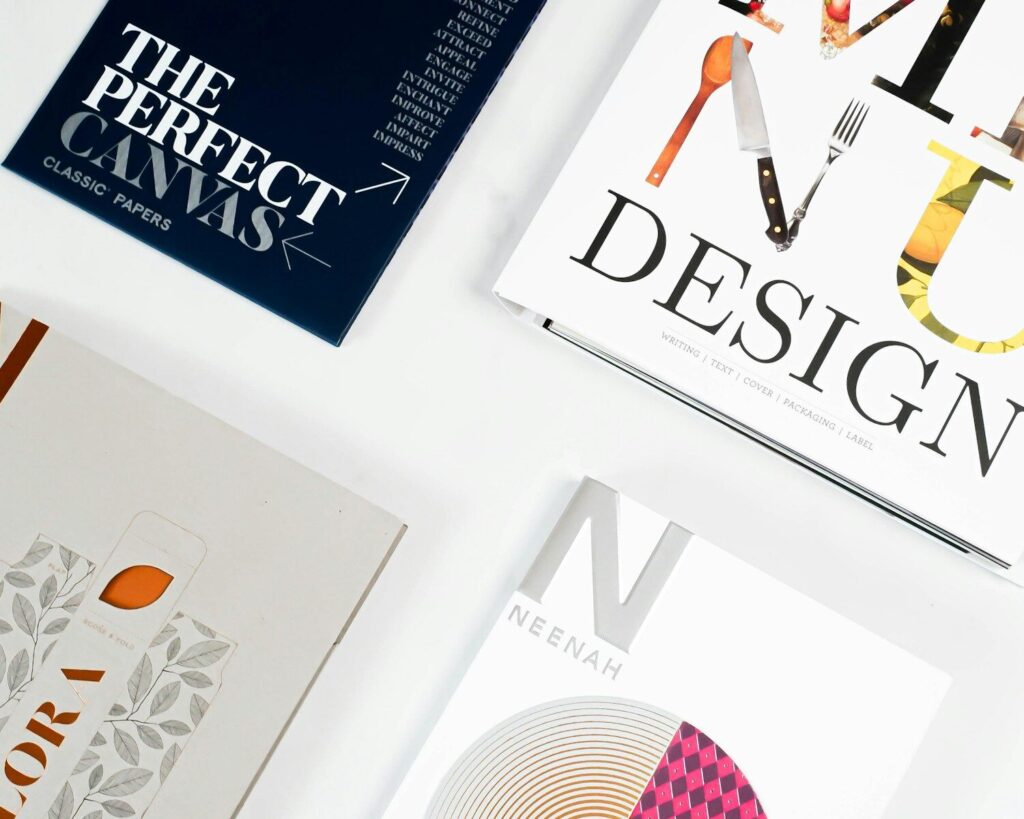
In a digital-first world, it is easy to assume every brand touchpoint should live on a screen. Websites, email campaigns, social profiles and online ads all matter. They are fast, measurable and scalable. But speed is not the same as memorability.
Physical representation still matters because people do not experience brands as data points. They experience them through conversations, textures, moments and small signals of credibility. When a brand shows up in the real world, it can feel more grounded, more considered and harder to forget.
Why Tangibility Builds Trust
Digital communication is convenient, but it is also crowded. Inboxes fill quickly, feeds refresh endlessly and even strong messages can disappear in seconds. Physical materials slow that interaction down. A well-designed card, brochure, invite or mailer gives someone something to hold, revisit and connect with a real conversation.
That matters because trust is often built through cues. The weight of the paper, the clarity of the design and the quality of the finish all say something before a word is read. These details make a brand feel intentional rather than temporary.
This is why print can still work so well alongside online activity. Royal Mail Marketreach has explored how physical mail can support digital behaviour in its guidance on using mail to get the best from digital, showing that offline touchpoints can encourage people to take action online too.
The Human Value Of A Physical Reminder
Networking is a clear example. A LinkedIn request is useful, but it can feel interchangeable. A card handed over after a proper conversation has context. It reminds the recipient who you are, where you met and why the conversation mattered.
That does not mean physical representation should replace digital channels. It means it should support them. A business card can lead someone to your website. A flyer can include a QR code. A brochure can reinforce the same positioning as your online content. The best brand experiences use each format for what it does best.
For businesses that rely on personal relationships, events, consultations, trade shows or local visibility, business card printing that represents your brand well can turn a brief introduction into something more memorable.
Physical Assets Make Brands Feel More Real
There is also a psychological weight to physical materials. They take planning. They take design choices. They occupy space. That can make a brand feel more established, particularly for smaller businesses or new ventures that need to make a strong first impression.
This is not about being old fashioned. It is about being present. A digital brand can be polished, but a physical touchpoint adds another layer of legitimacy. It gives customers and contacts something concrete to associate with the business.
Real-world relationships also need more than a quick online connection. Time’s advice on networking mistakes that can hold people back highlights the limits of relying too heavily on online networks without meaningful in-person interaction and follow-up.
Bringing Digital And Physical Together
The strongest brands do not ask whether print or digital is better. They ask how each can make the other work harder. A physical touchpoint can start a conversation, deepen recognition or encourage someone to take action online.
In a world where so much communication is instant, the brands that stand out are often the ones that feel considered. Physical representation still matters because people remember what they can connect with.


