How Workplace Conditions Influence Productivity and Long-Term Business Performance
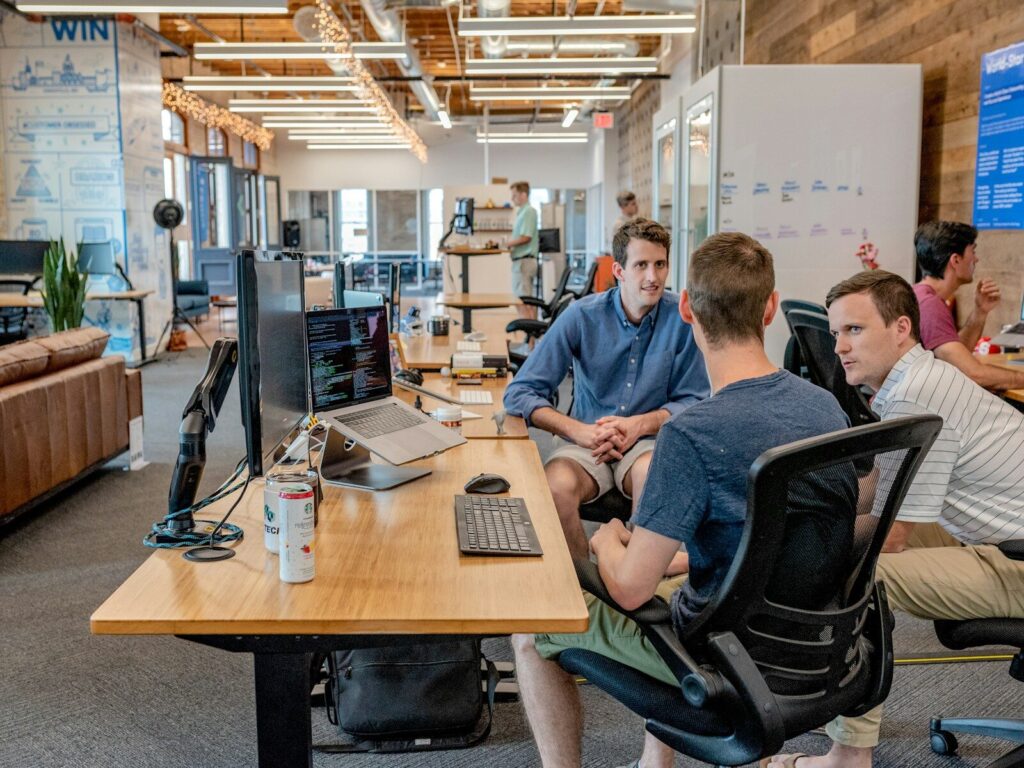
When business owners assess performance dips, they frequently scrutinise management strategies or software tools while ignoring the physical spaces where their teams spend their days. The physical environment quietly dictates how effectively your staff operate, shaping their focus, health and daily output.
If you want your organisation to thrive consistently, you must recognise that the infrastructure surrounding your workforce plays a foundational role in sustaining their highest levels of output.
The Connection Between Work Environment and Productivity
Your employees rely on a comfortable physical setting to maintain deep concentration throughout the working day.
Poor seating, inadequate air circulation and fluctuating office temperatures physically drain your staff, causing cognitive fatigue and a subtle but steady drop in their daily output. When managers ignore these environmental metrics, they often misdiagnose the resulting sluggishness as a lack of motivation rather than an automatic physiological response to discomfort.
To combat this, invest in adjustable, ergonomic desk chairs to ensure proper support and comfort, and install smart thermostats so your facilities team can actively track and adjust the indoor climate before it degrades employee focus.
The Hidden Business Cost of Inefficient Systems
Ageing building systems silently drain your financial resources while simultaneously degrading the daily employee experience.
A faulty ventilation unit or an erratic heating network creates pockets of extreme heat or cold across the office floor, which directly increases staff sickness rates and unexpected absences. You pay the price twice when these systems underperform: once through inflated energy bills, and again through the lost revenue generated by distracted, uncomfortable workers.
Audit your current HVAC infrastructure annually to identify failing components early and prevent these compounding operational losses.
How Infrastructure Choices Affect Day-to-Day Operations
The physical assets you choose to install directly dictate how efficiently your teams can execute their tasks.
Organisations often replace outdated equipment with new boilers to secure a reliable baseline of warmth during winter, which stops staff from shivering at their desks and losing their train of thought.
Other businesses reconfigure their floor plans to reduce noise pollution or install dynamic LED lighting to align with natural circadian rhythms, keeping workers alert into the late afternoon.
Prioritise these physical infrastructure upgrades because a physically comfortable employee remains engaged and produces consistently higher quality work.
Building a Stronger and More Productive Workplace
Long-term commercial success requires business leaders to view facility management as a core driver of human performance rather than a simple maintenance expense. Teams that operate within modern, reliable facilities encounter fewer daily disruptions and maintain a much steadier workflow over the financial year. This environmental stability forms the bedrock of a resilient business, allowing your staff to focus entirely on their commercial objectives rather than fighting their surroundings.
Evaluate your workspace today and commit the necessary capital to transform it into an asset that actively supports your workforce.