Why South East Businesses Are Rethinking Power Reliability
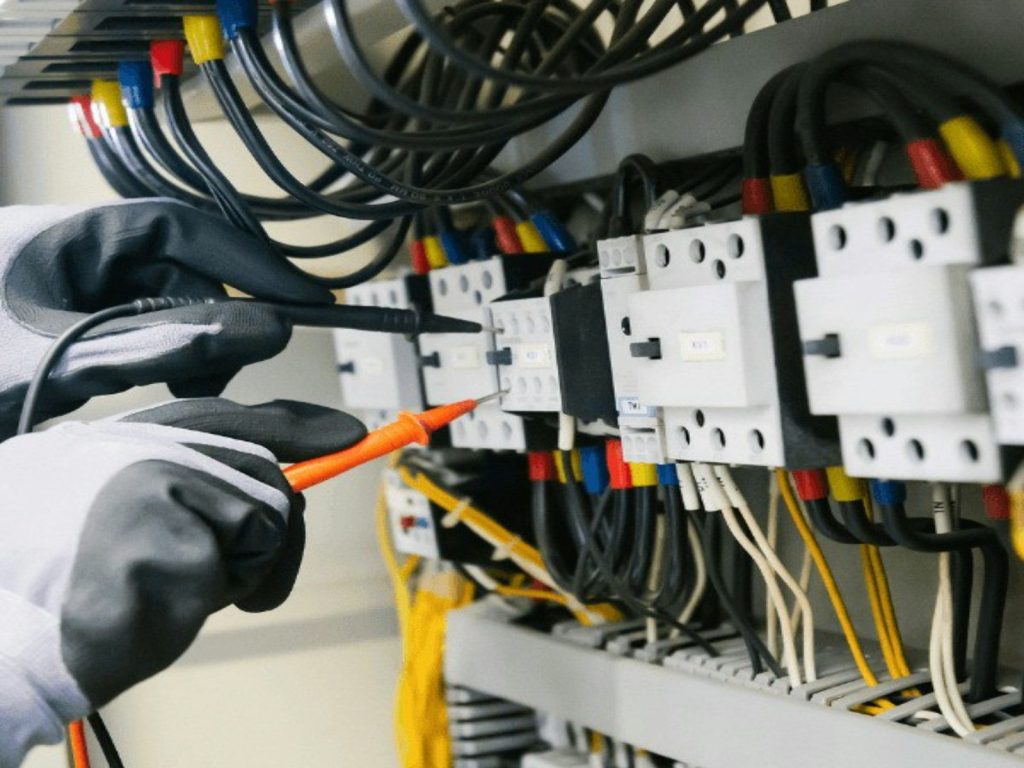
The South East runs on electricity, and demand keeps climbing. From the data centres clustered along the Thames Valley to the business parks of Kent, Surrey, Sussex and Hampshire, organisations of every size are leaning harder on their power supply than they did even a few years ago. Add electric vehicle charging along the M25, M3 and M27 corridors, and the strain on local electrical systems is easy to see.
Reliability at that scale depends on a long chain of equipment, and one of the links is the busbar electrical arrangement inside switchgear and distribution panels. Copper or aluminium bars carry current from incoming supplies to the circuits that feed machinery, lighting and servers. When they’re in good condition, nobody notices. When they’re not, the consequences can be costly.
Rising Demand Across the Region
Several trends are pulling in the same direction. Businesses are electrifying vehicle fleets, retailers are adding charging bays to car parks, and manufacturers are automating production lines. New homes and commercial buildings are being fitted with heat pumps and solar panels. Meanwhile, data and cloud services continue to expand, and the facilities that host them draw large amounts of power around the clock.
All of this lands on distribution equipment that, in many cases, was installed years ago. Switchgear in older office blocks, industrial units and public buildings wasn’t specified with today’s loads in mind, and upgrades are often done in stages rather than all at once.
What Goes Wrong at Connections
Inside a switchboard, current travels through bars of copper or aluminium. The bars themselves are robust. The connections between them are where problems usually start. Oxidation, dirt and loose fixings increase resistance, and increased resistance produces heat. Over time that heat can discolour insulation, weaken joints and, in serious cases, lead to failures or fires.
Coastal locations along the Kent, Sussex and Hampshire shorelines add another challenge. Salt-laden air accelerates corrosion, so equipment there can show wear sooner than similar kit inland. Humidity in older buildings, particularly those with limited ventilation, has a similar effect.
Protective Coatings Explained
Plating is one of the most reliable ways to protect conductors. A thin layer of tin, silver or nickel is applied to the surface through an electrochemical process. The coating prevents the base metal from reacting with the air and keeps the contact surface in good condition.
Tin is widely used because it combines corrosion protection with reasonable cost. Silver offers the best conductivity and handles heat well, making it a strong option for compact, high-current equipment. Nickel provides a tough, hard-wearing finish. The right choice depends on the equipment, the environment and the budget.
The Cost of Unplanned Downtime
For a small business, an electrical fault might mean a day of lost trade. For a larger operation, it can mean halted production, spoiled stock and contractual penalties. Insurance may cover some of the cost, but not the reputational damage that follows a visible failure.
There’s also the matter of safety. Overheating connections are a recognised fire risk, which is one reason why regular electrical inspections are recommended for commercial premises. Catching a warm joint early is a lot cheaper than dealing with the aftermath of a fault.
Questions for Facilities Managers
Anyone responsible for a building or site can ask a few simple questions. When was the switchgear last inspected, and did the survey include thermal imaging? Are there signs of discolouration, unusual warmth or a burning smell near panels? Has the electrical load changed since the equipment was installed?
If the answers raise concerns, a qualified electrician or electrical engineer can assess the installation and recommend next steps. Early attention is almost always cheaper than emergency repairs.
Safety and Compliance
Commercial landlords and employers have legal duties to keep electrical installations safe. Fixed wiring inspections, commonly carried out every five years for many commercial premises, are one way of meeting those duties. Inspectors look for signs of damage, deterioration and overheating, and a well-protected conductor is less likely to raise concerns.
Insurers also take an interest. A documented inspection history, with any recommended work completed, can help when it comes to renewing cover or making a claim.
Specifying for the Long Term
When new switchgear is ordered or an existing installation is extended, the specification is the best moment to think about conductor protection. Asking whether bars are plated, with which metal and to what thickness, is a reasonable request. So is asking how that thickness is checked. The answers reveal a good deal about how seriously a supplier treats quality.
Cost is part of the picture, but the cheapest option isn’t always the most economical once maintenance, downtime and replacement are factored in. Over a service life of twenty years or more, a modest premium for a durable finish often pays for itself.
Planning Ahead
The South East’s economy depends on dependable power, and that dependence will only increase. Businesses that look after the unglamorous components inside their electrical systems are better placed to avoid costly downtime. Regular inspection, sensible specification and attention to surface protection all contribute to a more resilient installation.