How small businesses can get real value from video without a big budget
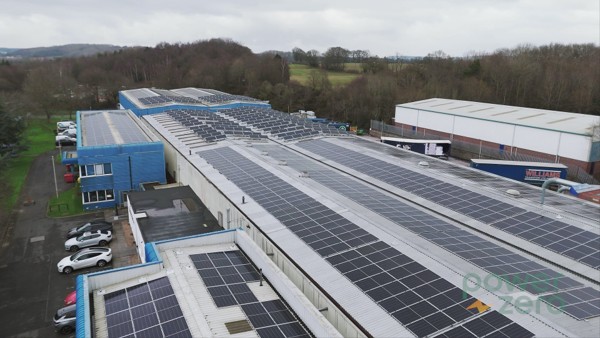
Featured image: drone footage of the 600kWp rooftop solar array at Mail Solutions in Telford, filmed for Power-Zero. Photo: The Camera Guys (3-drone-solar-roof-telford.jpg)
Written by Sam Charlesworth
Most small business owners know they should be using video. Fewer get round to it. The usual worry is cost: a picture of a big crew, a week of filming and a bill to match. In practice, a well-planned half-day shoot can give a small business more usable content than it will post in six months. The difference is in the planning, not the size of the budget.
After years of filming for businesses, schools, charities and events, these are the things that make the biggest difference.
1. Give the video one job
The most expensive video is the one that tries to do everything. Before you speak to anyone, decide what it is for. That might be a film for your homepage, short clips for social media, a recruitment piece that shows what it’s like to work for you, or a recap of an event you want people to book again.
One clear job makes every other decision easier: how long it should be, who appears in it, where you film and what you leave out. It also gives you a way to tell whether it worked.
2. Get more out of one shoot day
The shoot day is where most of the cost sits, so plan to use it fully. If the crew is already set up at your premises, a few extra shots cost very little.
Ask for these at the planning stage, not afterwards:
- The main film. One to two minutes for your website or YouTube.
- Short cut-downs. 15 to 30-second versions for adverts and social posts.
- Vertical versions. 9:16 clips for Instagram Reels, TikTok and Stories, filmed with that framing in mind.
- Still photos. Taken on the day, for your website, press and LinkedIn.
Planned this way, one day can become weeks of content rather than a single film.
3. Know what actually drives the price
A video quote usually comes down to four things. The number of crew and how long they’re on site. The editing time. Travel. And extras such as a drone, a presenter or licensed music.
Editing is the one people underestimate. A clear brief and a short list of the shots you really want will save more money than anything else, because the editor isn’t searching through hours of footage for a story. Good preparation on your side keeps the editing tight and the price down.
4. Let your people do the talking
You don’t need actors or a script that sounds like an advert. Customers, staff and the owner talking naturally about what they do is almost always more convincing. A good crew will put people at ease, ask questions rather than read lines, and shape the answers in the edit.
This is especially true for smaller firms, where the personality of the business is often the reason customers choose it.
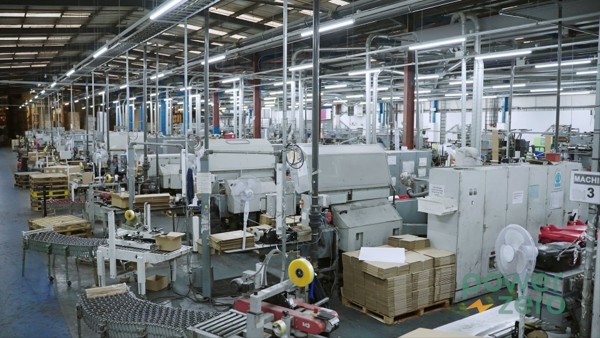
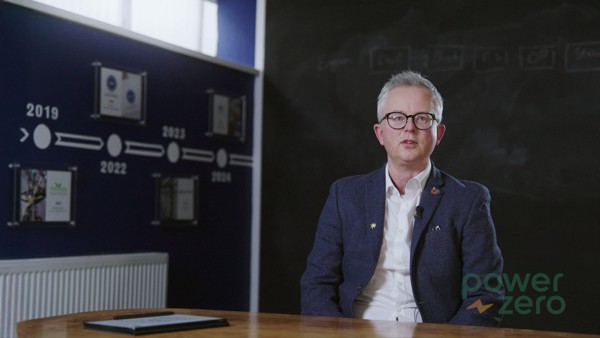
When Power-Zero, a commercial solar installer, asked us for a client testimonial, we let its customer tell the story. We filmed Jon Higson, Group Finance Director at the print manufacturer Mail Solutions, explaining why the business chose rooftop solar. Then we filmed the production lines, and the 600kWp array from the air, to show what he was describing. It took one videographer four hours on site. Because we filmed more than the edit needed, both companies now have a library of footage for future case studies, social posts and presentations.
5. Plan where it will go before you film
A video that sits unwatched on a hard drive is the real waste of money. Decide in advance where each version will be used: the top of your homepage, a pinned social post, an email to past customers, a slide in your sales presentation, a screen on your stand at a trade show.
Then put it to work. Post the short versions over several weeks rather than all at once, and share the main film whenever someone asks what you do.
A quick checklist before you hire anyone
- What is the one job this video needs to do?
- Who is it for, and where will they see it?
- Which versions do you need: main film, short clips, vertical, stills?
- Who will appear on camera, and are they happy to?
- What is your rough budget, and when do you need it by?
With those answers ready, any good production company can tell you quickly what’s possible, and you’ll get a quote for what you actually need rather than a guess.
Video doesn’t have to be a big, one-off spend. Treated as a planned, practical tool, it’s one of the most useful things a small business can invest in.
About the author
Sam Charlesworth runs The Camera Guys, a photography and video production company based in Sudbury, Suffolk. The team films promotional and corporate videos, events, live streams and drone footage for businesses, schools and charities across Suffolk, Essex, Cambridgeshire, Norfolk, Hertfordshire and London.


