How to Find a Reliable Electrician in Brighton (and What to Check First)
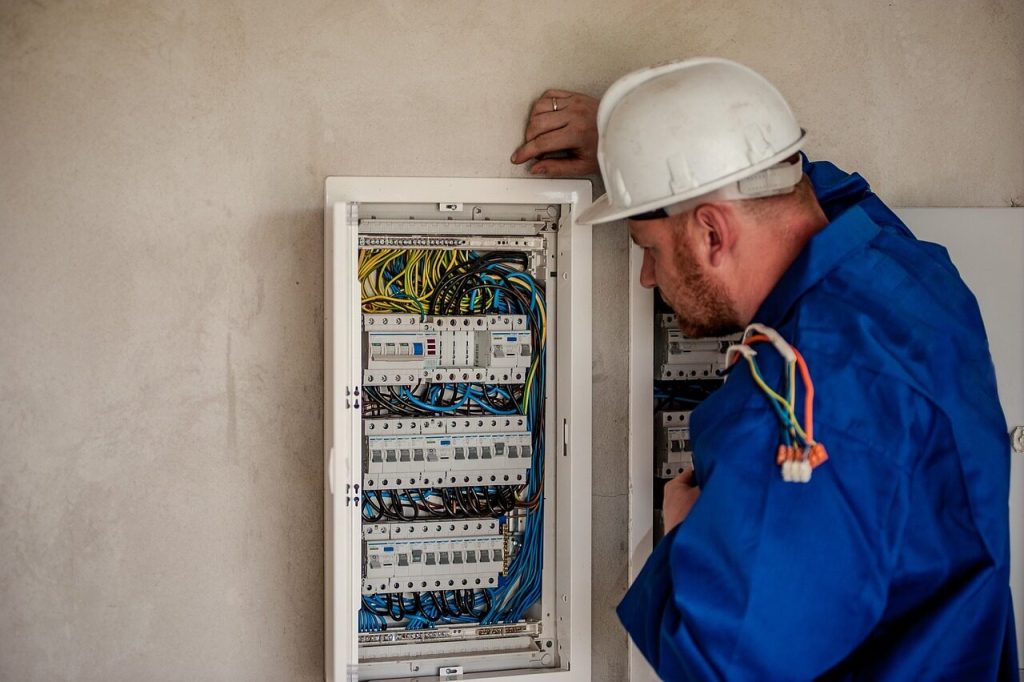
A circuit breaker that keeps tripping, a damaged socket or unexplained power loss can leave you needing an electrician at short notice. Other jobs, from installing new lighting to arranging an Electrical Installation Condition Report (EICR), give you more time to consider who to hire.
Finding a reliable electrician in Brighton involves checking qualifications, registration and experience before agreeing to the work. You also need to understand what the quotation covers and whether the contractor will provide the necessary certificates. These steps will help you make an informed choice, whether the work concerns your home, a rental property or business premises.
1. Describe the Electrical Work Before Contacting Anyone
Start by explaining what needs attention. You don’t have to diagnose an electrical fault yourself, but describing the symptoms gives the contractor a useful starting point.
If a circuit keeps tripping, mention which rooms or appliances are affected and when the problem began. Flickering lights, damaged sockets and unusually warm switches are warning signs of electrical problems and should be reported rather than ignored.
Avoid opening electrical fittings or attempting repairs. Burning smells, smoke or visible scorch marks require urgent attention. Stop using affected equipment and contact a qualified electrician. If there is a fire, leave the property and call the emergency services.
For planned work, write down the changes you want. A kitchen refurbishment might need additional sockets, dedicated appliance circuits or improved task lighting. A landlord may need periodic testing, while a business could be looking to replace older lighting or investigate recurring power problems.
Having this information ready helps the electrician decide whether an initial inspection is necessary and whether the work falls within their expertise.
2. Check the Contractor’s Registration and Accreditations
Once you have identified the work, verify the credentials of the businesses you are considering.
For domestic electrical installations in England, the Electrical Competent Person Register provides a way to check whether a contractor is registered under an appropriate government-authorised scheme. You can also use the NICEIC register to confirm a business’s NICEIC registration.
Ask for the registered business name and, if necessary, its registration number. Check that the details match the company you intend to hire and that its registration covers the relevant work.
This matters particularly for electrical installations covered by Part P of the Building Regulations. Replacing a consumer unit or installing a new circuit is generally notifiable work. A contractor registered under an appropriate competent person scheme can self-certify qualifying installations, while other permitted routes require Building Control arrangements.
NICEIC Approved Contractor status is evidence of assessment against relevant electrical installation standards, but it does not automatically confirm registration for domestic Part P self-certification. Check the specific scheme rather than assuming all approvals serve the same purpose.
If a circuit keeps tripping, a consumer unit needs replacing or an EICR is due on a rental property, look for a contractor with experience in that particular job. Skyelec provides fault finding, consumer unit replacement and electrical inspections for homeowners, landlords and businesses across Brighton and Sussex. The company has over 20 years’ experience in electrical and building services and holds NICEIC Approved Contractor status.
Check that the contractor’s registration covers the work you need before booking, particularly if the installation requires notification under Part P.
3. Ask Who Will Carry Out the Work and Whether They Have Relevant Experience
A company may hold recognised accreditations, but it is worth establishing who will actually attend your property.
Ask whether the electrician has experience with the installation or fault you have described. Someone regularly working on domestic wiring may have different experience from a contractor handling commercial distribution systems or specialist equipment.
City & Guilds electrical qualifications are widely recognised in the UK. Some electricians also hold an Electrotechnical Certification Scheme (ECS) card, which records their electrotechnical occupation and relevant qualifications. Card details can be checked using the official ECS verification service.
For older Brighton properties, ask whether the electrician has worked on buildings with previous alterations or unfamiliar wiring arrangements. An inspection might reveal problems that need addressing before new circuits or equipment are installed.
Specialist work deserves additional checks. If you are arranging an EV charger installation and intend to apply for an eligible government grant, confirm that the installer has the necessary OZEV authorisation. This is a requirement for claiming the relevant grants, rather than a universal condition for all privately funded charger installations.
Landlords should check that the contractor is competent to carry out electrical inspection and testing, particularly when an EICR is required. Businesses should establish whether the electrician handles commercial premises and the type of installation involved.
Ask about insurance at this stage too. Public liability cover should be appropriate for the work, and the contractor should be able to confirm the relevant policy details when requested.
4. Compare Written Quotes Before Making Your Decision
For planned work, request written quotations from two or three electricians. Describe the job consistently so you can compare what each business proposes to do.
A written quote should explain the work covered and the agreed price. Understanding the difference between a quote and an estimate matters, since an estimate provides an approximate cost that may change as the job develops. Establish which one you are receiving.
For a consumer unit replacement, one contractor might include preliminary testing and certification in the quoted price, while another may identify additional testing as a separate cost. These differences matter when assessing value.
Check that the quotation covers
- The proposed work and any necessary preliminary assessment
- Labour, materials and equipment
- Electrical testing and relevant certificates
- Building Control notification, where applicable
- VAT, if applicable, and payment arrangements
- Timescales and how additional work will be approved
Discuss what happens if the electrician discovers problems that were not apparent during the initial assessment. Older wiring, for example, may need further investigation before new equipment can be safely connected.
Ask for any proposed additional work and costs to be explained before you authorise them. This is particularly useful during renovations, where electrical changes may affect the wider building schedule.
A contractor who refuses to provide written details or pressures you into agreeing immediately deserves closer scrutiny. The lowest price is not necessarily the best choice when important work or certification has been left out.
5. Agree on Certificates and Completion Arrangements Before Booking
Before booking, ask which certificates you will receive once the work is complete.
Different electrical tasks require different documentation. New circuits and substantial installation work generally require an Electrical Installation Certificate, which records the inspection and testing of the completed installation.
For smaller additions or alterations to existing circuits, a Minor Electrical Installation Works Certificate may be appropriate. An EICR has a different purpose, assessing the condition of an existing installation rather than certifying newly completed work.
If your property is rented out, check when the next EICR is due. Most private rental properties covered by the regulations in England require electrical installation inspections at intervals of no more than five years, or sooner if the previous report specifies.
Where an inspection identifies defects requiring remedial work or further investigation, the landlord must arrange for those issues to be addressed in accordance with the applicable requirements. Recommendations for improvement alone do not necessarily make an installation unsatisfactory.
For notifiable installation work, confirm who will arrange Building Regulations certification. Where the contractor can self-certify under an appropriate scheme, the relevant compliance documentation is issued separately from the electrical installation certificate.
You should also establish when the electrician will attend, whether the electricity supply needs to be interrupted and who will deal with any necessary repairs to surrounding surfaces.
Keep copies of the completed paperwork, especially if you are planning to sell the property, rent it out or commission further electrical work.
By the time you’re ready to book, the electrician should have explained who will carry out the work, what the quoted price covers and which certificates you’ll receive. If anything remains unclear, ask for written confirmation before accepting the quote, particularly where additional testing or repairs might affect the final cost. Sorting out these details beforehand gives both you and the contractor a clear understanding of what has been agreed.