Why Coastal Christchurch Properties Face Unique Drainage Problems
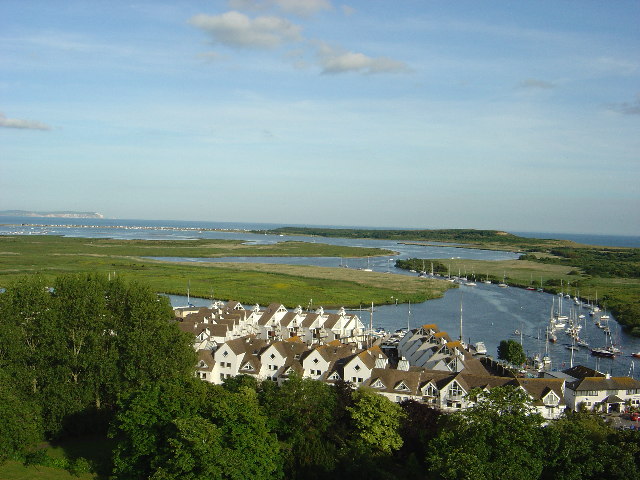
Christchurch sits right on the Hampshire border, and is also in an unusual spot. Two rivers, the Avon and the Stour, flow into Christchurch Harbour before reaching the sea through the narrow channel at Mudeford. That geography gives the town its character, its sailing clubs, its waterside walks and its appeal to buyers. It also gives it a drainage headache that most inland towns in the region don’t face.
Homeowners here sometimes assume a blocked drain or a slow-draining gully is just bad luck, or down to a few too many wet wipes. In Christchurch, the cause is often more structural than that. Low-lying ground, older housing stock and a harbour that stays full for longer at high tide mean drainage systems are working harder than they were designed to. This article looks at why that happens, what it means for property owners, and what to watch for before a minor issue becomes a recurring one.
How Christchurch’s Geography Creates Drainage Pressure
Large parts of Christchurch, especially around Stanpit, Mudeford and the streets closest to the harbour, sit on flat, low-lying ground. Water doesn’t have far to fall before it reaches a river, a marsh or the sea, so gravity alone can’t always clear it away quickly. The harbour also has a double high water on each tide, which means water levels stay up for longer than at most of the coast.
Heavy or prolonged rainfall, especially through autumn and winter, adds further pressure. When the ground is already saturated and the tide is high, there’s less capacity in both the soil and the drainage network to cope with more water. Pipes that run perfectly well for most of the year can back up during a wet spell, particularly in streets close to the Stour and Avon floodplains.
This is one reason local knowledge matters. Local specialists such as NOW Drainage, who deal regularly with blocked drains in Christchurch, will usually recognise these patterns quickly, rather than treating every blockage as an isolated, one-off event.
Why Older Properties Are Particularly Vulnerable
Much of Christchurch’s housing predates current drainage standards by a wide margin. Streets around Purewell and the historic town centre still rely, in many cases, on original clay pipework that was never designed for today’s water use. Clay drains of this age are prone to a few recurring problems:
- Cracked or displaced joints, often caused by ground movement over decades
- Root intrusion, where mature trees in long-established gardens find their way into small gaps in the pipework
- Gradual structural deterioration, which narrows the pipe and traps waste that would otherwise flow through
None of these issues are visible from the surface. A homeowner might only notice a slow sink, a gurgling toilet or a drain that clears after rodding but blocks again within weeks. A blockage that keeps returning usually points to an underlying pipe defect rather than a single obstruction, which is why repeated drain unblocking in Christchurch homes with this pattern rarely fixes the problem on its own.
The Role of Soil Type and Ground Saturation
Much of the ground around the harbour is made up of sands, gravels and silts laid down by the rivers and the harbour over time. Soil like this drains reasonably well in dry conditions, but it has limited capacity once it’s saturated.
When the water table rises, whether from sustained rainfall, a high tide or both at once, the soil has less room to absorb anything further. Surface water then has nowhere obvious to go. It can pool on driveways and lawns, sit against foundations or find its way into soakaways that are already working at capacity.
For properties near the harbour or the lower reaches of the rivers, this means drainage systems may be under pressure from below, through a higher water table, as well as from above, through rainfall. That combination is far less common in higher, inland towns.
Drainage Defects That Make the Problem Worse
Geography and soil set the background conditions, but it’s usually a specific defect that turns that pressure into a real problem. In Christchurch, the most common culprits include:
- Blocked or collapsed soakaways that can no longer disperse surface water
- Failed gully traps at the base of downpipes, which let debris build up unnoticed
- Poorly routed or disconnected downpipes that don’t feed into the main drainage run
- Grease and food waste build-up in older pipework serving the town’s cafés and restaurants
Surface water that can’t disperse tends to pool against external walls, and over time it can get in through hairline cracks, failed pointing or ageing render. This is often overlooked when people investigate damp indoors, yet a defect in the external drainage can be the main cause rather than a side issue. It’s also worth being cautious about assuming a single cause: a property near the harbour might be dealing with ageing pipework, a saturated soakaway and a high water table all at once.
What Homeowners Should Look Out For
A few signs tend to show up before a drainage issue becomes serious:
- Gullies or drains that empty slowly, or not at all, after rain
- Unpleasant smells near manholes, gullies or airbricks
- Gurgling from toilets or sinks, particularly on the ground floor
- Water pooling against external walls or in the same spot in the garden after every heavy shower
- Blockages that clear temporarily but come back within a short time
None of these symptoms confirms a single cause by itself. The most reliable way to find out what’s happening underground is a CCTV drain survey in Christchurch, which sends a camera through the pipe run to show whether the issue is a blockage, a structural defect, root ingress or a combination of factors.
When to Get Drains Checked in Christchurch
Christchurch’s position where two rivers meet a tidal harbour makes its drainage challenges different from those of most towns in the region. Add older pipework, saturated ground and a water table that rises with the tide, and it’s easy to see why blockages here are often more than a simple inconvenience.
Slow drains, recurring blockages or standing water are unlikely to sort themselves out after the next dry spell. An early inspection is usually far less disruptive, and less costly, than waiting for a minor issue to turn into a blocked or collapsed pipe during the next heavy downpour.
—
Image: By Dave Pardy, CC BY-SA 2.0, https://commons.wikimedia.org/wiki/Special:Redirect/page/9202121