Reviving A Historic Home – How to Balance Charm with Modern Safety Standards
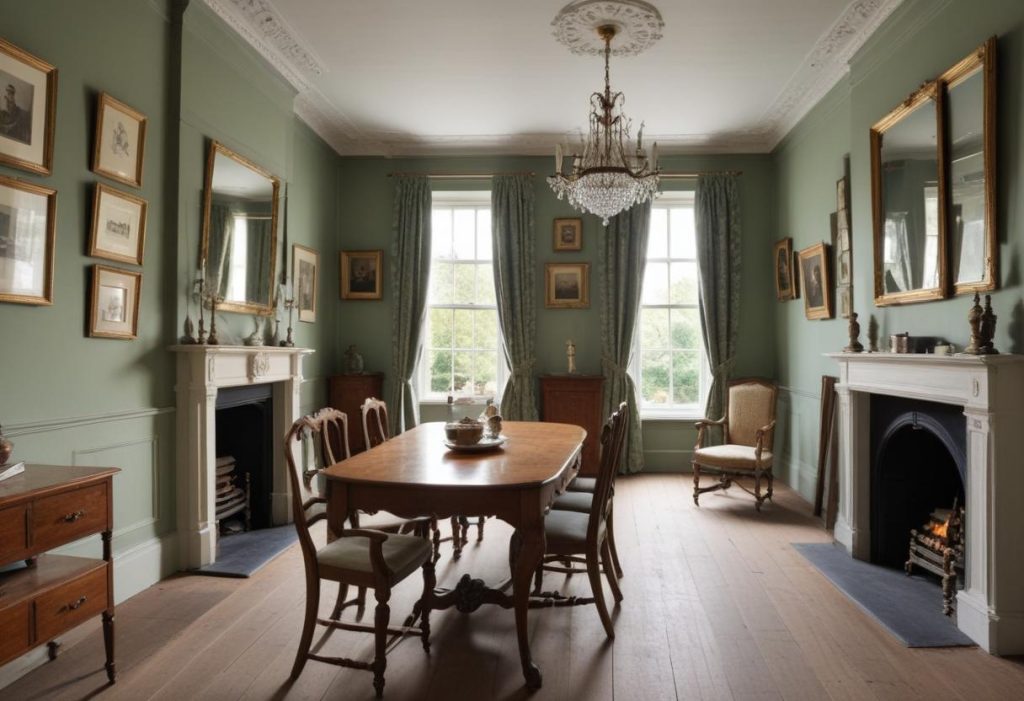
Restoring a historic home is a rewarding venture that combines the nostalgia of the past with the conveniences of the present. These properties, with their unique architectural details and stories, offer a charm that can often be hard to find in new builds. However, the task of balancing this charm with modern safety standards can be a little intimidating, to say the least.
To help you transform your period property with as little stress as possible, here’s a handy guide packed with insider tips and tricks for revitalising a historic home safely – and stylishly.
Assessing the Condition
Before diving into any restoration project, it’s essential to assess the current state of the property. Hire professionals to conduct a thorough inspection, covering the structure, roofing, plumbing, and especially the electrical systems.
Older homes often come with outdated wiring that can be a safety hazard. Identifying these issues early on will help you plan your renovations more effectively and avoid unexpected problems down the line.
Preserving Architectural Features
One of the primary goals of restoring a historic home is to preserve its unique architectural features. Elements like original woodwork, stained glass windows, and ornate mouldings add character and value to the property.
Work with skilled craftsmen who specialise in restoration to ensure these features are preserved and, if necessary, repaired. Using historically accurate materials and techniques will maintain the home’s authenticity.
Updating Electrical Systems
Modern safety standards are crucial, especially when it comes to electrical systems. Old wiring can be a fire hazard, and outdated systems may not support modern electrical loads. It’s important to hire a qualified electrician to update the wiring while respecting the home’s historical integrity.
An Electrical Installation Condition Report (EICR) provided by experts like Trade Facilities Services is a valuable tool that assesses the safety of your electrical installations. This report will identify any faults or potential hazards, ensuring your home meets current safety regulations without compromising its charm.
Improving Energy Efficiency
Historic homes are often not as energy-efficient as newer builds. Improving energy efficiency not only reduces your environmental impact but also lowers utility bills. Start with the basics, like sealing drafts around windows and doors, adding insulation to the attic, and upgrading to energy-efficient heating and cooling systems.
Where possible, opt for solutions that do not alter the home’s appearance, such as installing secondary glazing instead of replacing the original windows.
Modern Plumbing and Heating
Updating the plumbing and heating systems is another critical aspect of modernising a historic home. Lead pipes and inefficient boilers are common issues in older properties. Replace these with modern, safe alternatives.
You might want to consider underfloor heating, which can be installed without disrupting the aesthetics of the home. Modern plumbing and heating systems will ensure the home is comfortable and safe without compromising its historic character.
Maintaining Structural Integrity
The structural integrity of a historic home can be compromised by years of wear and tear. Address any issues with the foundation, walls, and roof to prevent future problems. Reinforcing the structure with modern materials can provide additional safety while preserving the original look.
It’s essential to work with a structural engineer who understands the complexities of historic buildings to ensure any reinforcements are both effective and sympathetic to the original design.
Fire Safety
Fire safety is a significant concern in older homes. Install smoke detectors in key areas, and consider a modern fire alarm system that can be discreetly integrated into the home. If the property has a chimney, ensure it is regularly inspected and cleaned to prevent chimney fires. Fire extinguishers should be easily accessible, and escape routes should be clear and well-marked.
Incorporating Modern Conveniences
While maintaining the historic charm, it’s possible to incorporate modern conveniences that make daily life more comfortable. Modern kitchens and bathrooms can be designed to blend seamlessly with the rest of the home. Use fixtures and fittings that reflect the period style but offer modern functionality.
Smart home technology, such as security systems and climate control, can also be integrated discreetly to enhance the home’s usability without detracting from its historical appeal.
Respecting Heritage
When restoring a historic home, it’s essential to respect its heritage. Research the home’s history and work with local heritage organisations to understand its significance. Any alterations should be in keeping with the home’s original design and materials. This respect for heritage not only preserves the home’s character but also enhances its value.
Legal and Planning Considerations
Finally, be aware of any legal and planning considerations. Historic homes can be subject to conservation laws that restrict certain changes. Check with local authorities to understand what is permissible and obtain any necessary permits before starting work. This due diligence will ensure your restoration project complies with legal requirements and respects the home’s historical significance.
Reviving a historic home is a journey that blends the old with the new. By carefully planning your restoration, updating essential systems, and preserving architectural features, you can create a home that honours its past while providing a safe and comfortable living space for the future. Embrace the challenge, and you’ll be rewarded with a home that’s as unique as it is beautiful.