5 British Gamblers Who Took the World by Storm
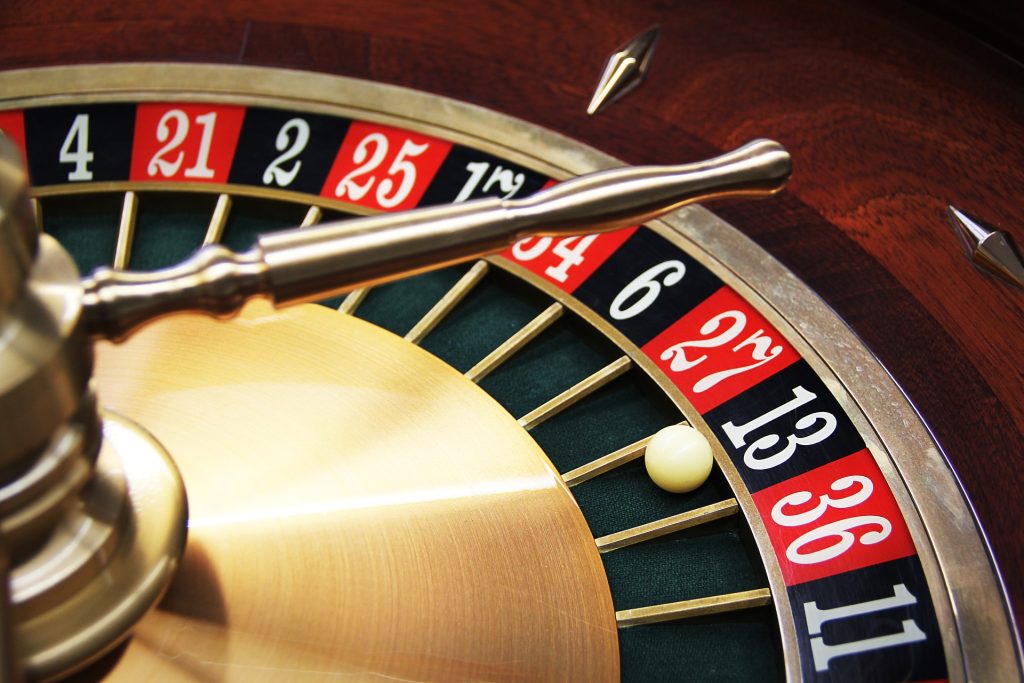
In Britain, just under half of the population gambles, and there are over 8,000 gambling establishments. It’s a popular form of entertainment that many turn to in order to make a football match more interesting, have a fanciful day at the races, or simply enjoy the thrill of gambling. Over its long history in Britain, many gamblers have made fortunes from taking a chance. Some – like the five gamblers below – not only took chances and won fortunes but also took the world by storm. As a result, they had a lasting, unexpected impact on the industry.
1. William ‘Crocky’ Crockford
William Crockford was an unexpected gambling tycoon who went from being a fishmonger to one of the UK’s wealthiest men and the owner of one of the swankiest gambling clubs in London. Crockford, also known as ‘Crocky’, was born in 1776 to a family of fishmongers, a trade he was taught and expected to continue. But Crocky had a few unexpected talents: a keen ability with numbers, a mind for business, and questionable ethics – which was perhaps not a talent but certainly important to his success.
In his early gambling days, he played in ‘silver dens’, but he quickly moved up by placing larger and larger wagers until he found himself playing among some of London’s social elite. He discovered tools and techniques for making the house earn as much as possible from its players (in other words, cheating players to earn more). He envisioned building a luxurious and comfortable gambling hall for the UK elite that would encourage them to spend large amounts on gaming, which translated into a significant income for Crocky himself.
He successfully created one of the earliest gambling spaces that offered an experience far beyond the games; he also offered fine dining, fine wines, and a generally lavish atmosphere that put other clubs to shame. This impressive feat earned him the nickname ‘Napoleon of the Gaming World’.
2. John Aspinall
John Aspinall was a divisive figure in London. He ran with a wealthy group of London’s high society and was continuously surrounded by controversy – the biggest being the disappearance of Lord Lucan. Aspinall, who was rumoured to have said he loved gambling for its ‘excitement and despair’, made his fortune by running gambling dens at a time when casinos weren’t legal in the UK. He worked around the law by setting up games in homes around London. Once the laws changed, he opened the Clermont Club.
Alongside his passion for gaming, Aspinall had a passion for animals and a disdain for most people. He used much of his earnings from his gambling clubs to open two zoos. These zoos were largely responsible for Aspinall’s major controversies, as five zookeepers were killed and visitors were harmed, including a ten-year-old who lost his arm to an aggressive chimpanzee. Aspinall loved the animals for many of the same reasons he loved gambling: the excitement they provided. He was known as the ‘Gambling King of London’ until his death in 2000.
3. Patrick Veitch
Many gamblers indulge in far more than casinos that accept Paysafecard payments; they also bet on activities like horse racing and other sporting events. When it comes to horse racing, Patrick Veitch is one of the most successful gamblers in the UK. Veitch, a Cambridge dropout, left school to pursue his professional gambling career. But Veitch didn’t leave this move entirely to chance; he studied races thoroughly and made careful calculations that put the odds of winning in his favour – and win is just what he did. He became known as ‘Enemy Number One’ by bookmakers and even published an autobiography by the same name.
Since his success in betting on races, he’s moved on to other ventures but remains involved in the gambling industry by heading the RaceShare buying team. The organisation shares the ownership of elite racehorses, allowing many people to share in the profits, excitement, and elite nature of owning a champion horse.
4. Tony ‘The Lizard’ Bloom
Tony Bloom is a professional poker player who has made over $4 million, enough to lead a comfortable life. However, gambling has taken a back seat in recent years as he’s become a father and invested in – and saved – the Brighton football club. He bought the club in 2009 and has used the skills he honed playing poker and through his university maths education to revive the club, making it a formidable competitor in the UK football scene.
Although he doesn’t present the same questionable ethics or ideals as Crockford or Aspinall, he did earn the nickname ‘The Lizard’ for his calm, cold-blooded gaming style. His competitive edge has served him well in gambling and business.
5. Charles De Ville Wells
Charles Wells was rumoured to have inspired the 1891 song ‘The Man Who Broke the Bank at Monte Carlo’. He had an education, an engineering career, a wife, and a child, but somewhere along the line, he became a fraudster who conned people into investing in non-existent inventions. The decision destroyed his marriage and family but set him on the path to becoming a renowned gambler. He took all the money he had to Monte Carlo to change his fortune (and rumour has it, to keep his mistress’s attention).
His game of choice was roulette, and he had an impressive winning streak that spanned several days. The winning streak caught the attention of everyone in the Casino de Monte-Carlo and, as we know from the song’s popularity, well beyond it. He was rumoured to have slept with his winnings kept under his pillow each night he was there and to have returned to the table at noon each day. He won the equivalent of over $4 million today but passed away in 1922 with nothing left.
Though there are songs and stories about Wells, there are also many questions and uncertainties, with many believing he cheated his way to roulette success.
Conclusion
With rags-to-riches stories, rumours and controversy floating around them, or an intellectual, no-nonsense approach to gambling, these five gamblers were and are influential players on the UK gambling scene we won’t soon forget.
Image by Greg Montani from Pixabay