Solar Rooftops Could Supply 65% of the World’s Electricity, Study Suggests
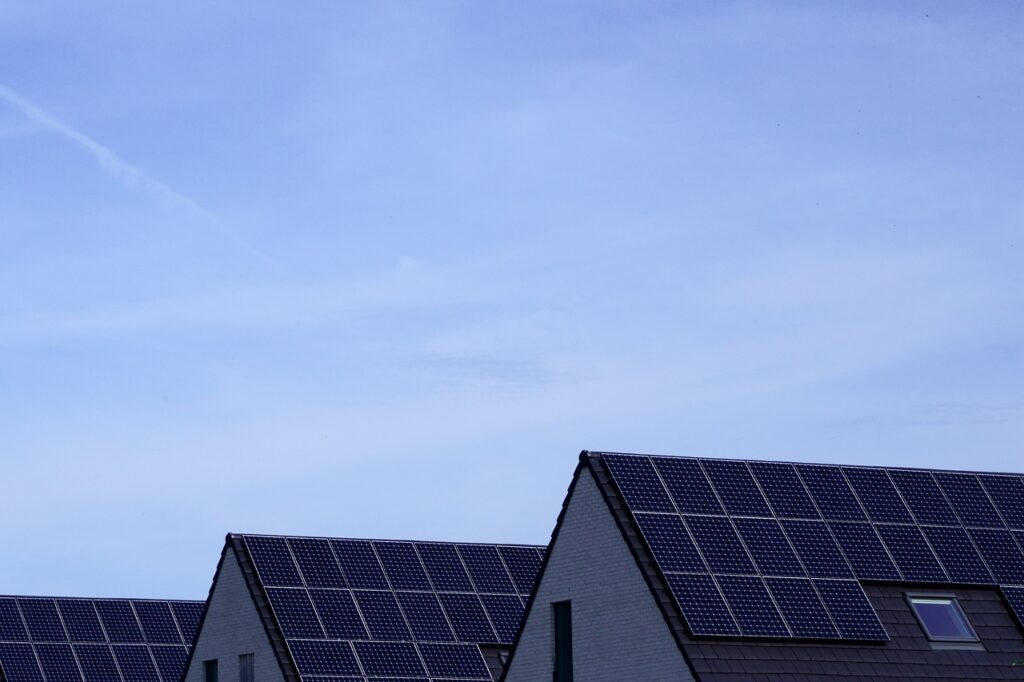
New research from the University of Sussex reveals that rooftop solar panels could provide the majority of the world’s electricity needs while also cooling the planet. The study estimates that if all suitable roofs were covered with photovoltaic panels, they could generate 19,500 terawatt-hours (TWh) of electricity each year—equal to 65% of global consumption.
With the climate crisis intensifying, researchers say rooftop solar could play a crucial role in reducing carbon emissions and slowing global warming. Their climate models suggest that large-scale adoption of solar panels could lower global temperatures by 0.13 degrees Celsius—an amount that could help protect millions from extreme heat.
The study also challenges current energy policies, arguing that solar offers better value than nuclear power. Professor Felix Creutzig, a climate and policy expert, noted that solar is cheaper, faster to deploy, and carries fewer environmental risks than nuclear. “With solar energy costs now between £30 and £50 per megawatt-hour, compared to £100 to £150 per MWh for new nuclear projects, it’s clear where governments should focus their efforts,” he said.
Despite solar power’s promise, deployment remains uneven. Africa, which has the highest solar potential, currently accounts for just 1% of global rooftop installations. Meanwhile, East Asia, with its dense urban areas and high carbon emissions, has the greatest potential for impact. Europe and North America, despite less sunlight, could still contribute significantly, with an estimated combined rooftop PV capacity of 4,300 gigawatts.
The researchers are urging policymakers to rethink their energy strategies, arguing that solar power is not only a cleaner alternative but also a more cost-effective way to meet global electricity needs. “Investing in nuclear or carbon capture, while ignoring the massive potential of rooftop solar, makes little sense,” Dr. Creutzig added.
The findings add to growing calls for an accelerated transition to renewable energy. With falling solar costs and rising climate risks, the question is no longer whether rooftop solar can play a role—but how quickly governments will act.