The Complete Guide to Betting on 2025 Preakness Stakes Odds
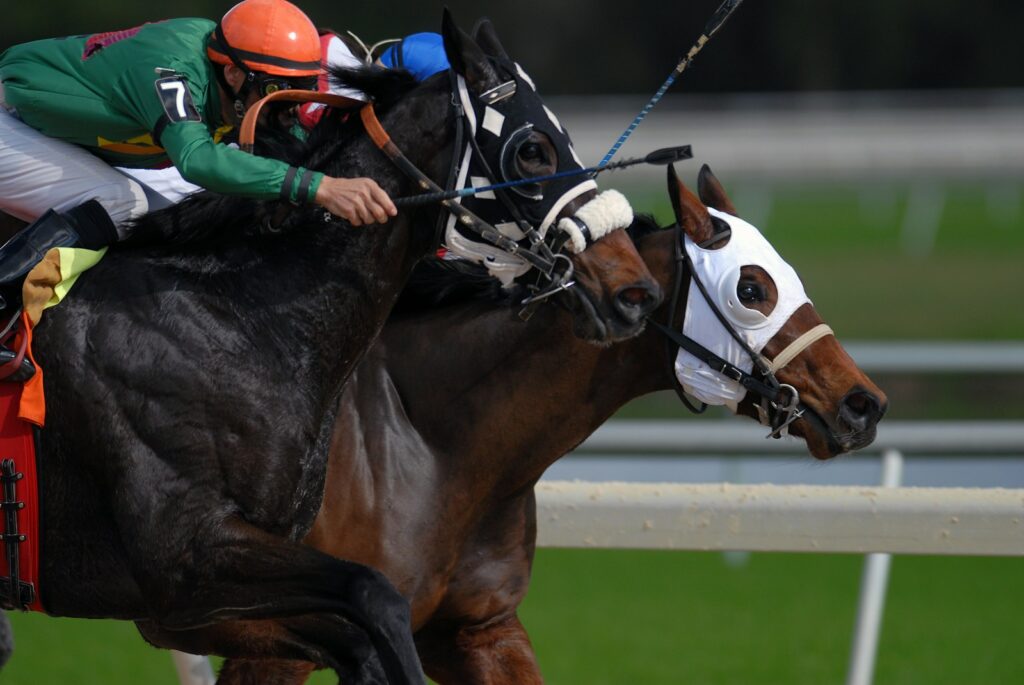
Each May at Pimlico Race Course in Baltimore, the Preakness Stakes—second in the Triple Crown series—brings together seasoned bettors, racing analysts, and casual fans alike. As the follow-up to the Kentucky Derby, it narrows the field and sharpens the spotlight on key contenders. This guide explains what to watch for, who’s worth backing, when to place your bets, and why strategy matters more than ever at this critical stage of the Triple Crown. Whether you’re digging into form lines or tracking emerging trends, understanding how to read the odds and evaluate the race can give you a meaningful edge.
Understanding How Preakness Stakes Odds Work
Betting odds reflect both the bookmakers’ projected probabilities and public sentiment. In the UK and most international markets, odds are presented in fractional format, such as 3/1 or 9/2. A 3/1 price implies a potential return of £3 for every £1 wagered, plus the original stake. However, American racebooks tend to use moneyline or decimal formats, particularly when catering to global bettors.
As excitement builds toward race day, it’s important to understand how public money influences the numbers. The Preakness Stakes odds 2025 will likely fluctuate in the days leading up to the event, especially as track conditions, late entries, or unexpected withdrawals reshape the market. Keeping a close watch on these changes gives informed bettors a clearer sense of momentum and potential overlays.
Shorter odds point to favourites, while longer prices suggest outsiders. In a small field like the Preakness—typically fewer than 14 runners—market movement becomes highly reactive. A shift in conditions, a jockey replacement, or an unexpected scratch can cause prices to tighten or drift rapidly. Monitoring fluctuations up to post-time is crucial, especially with late money often reflecting sharp sentiment.
Analysing the Preakness Field: What Sets This Race Apart
The Preakness Stakes spans 1 3/16 miles at Pimlico Race Course, a slightly shorter trip than the Kentucky Derby. Horses that struggled with stamina at Churchill Downs may bounce back, while others who thrived on the longer track may find themselves exposed. This change in distance makes pace analysis central to any betting strategy.
Speed figures from past performances help assess how well a runner might cope with Pimlico’s configuration. Historical data shows that early pace horses often hold an edge here—especially those drawn inside. The track’s tight turns and shorter stretch favour those who secure position early rather than deep closers needing space to unwind. For this reason, sectional timing and race replays should play a key role in your prep.
Another angle to consider is the “new shooter” dynamic. Not all Preakness contenders emerge from the Derby. Horses who skipped it—arriving fresh—often bring tactical advantages. Trainers like Chad Brown and Steve Asmussen have developed a reputation for targeting this race with Derby absentees who arrive primed.
Popular Bet Types for the 2025 Preakness Stakes
Straight bets remain the foundation. Win, place, and each-way options offer straightforward mechanics. Win bets require your horse to finish first. Place wagers typically cover first or second, depending on field size. Each-way combines win and place, offering partial return if the selection runs well without winning.
Exactas and trifectas introduce layered complexity, requiring horses to finish in precise orders. These bets appeal to seasoned punters comfortable assessing form across multiple runners. A correctly boxed trifecta can deliver large payouts, but the chance of a return compared to the cost of the bet is relatively low.
Forecast and reverse forecast wagers are also widely used for the Preakness. With a small field, the chances of correctly predicting the top two finishers improve, but payouts typically decrease as a result. Keep an eye on the betting pools and avoid combinations that seem overcrowded with public favourites. Value often lies in identifying overlooked second-stringers from respected barns.
How to Spot Value in the Market
Value doesn’t lie in picking winners—it’s in identifying overpriced outcomes. A horse offered at 12/1 that you believe should be 6/1 presents clear value, even if it ultimately finishes second. Pricing errors often emerge when casual bettors inflate odds for Derby alumni, ignoring the specific demands of the Preakness.
Headline stats rarely tell the full story. A horse that finished fourth in the Derby might be getting attention, but context matters—such as whether it took advantage of a collapsed pace or showed fatigue in the final furlong. Scrutinising trip notes, jockey feedback, and trainer commentary can reveal performances that aren’t as strong as they appear on paper. Similarly, observing how horses cool down and move during gallops between races can provide nuanced insights often overlooked by those focused solely on the form guide.
Weather should never be an afterthought. Pimlico can shift quickly from dry and fast to wet and muddy. Mudlark pedigrees and off-track performance data should influence any late-stage selections. Some sires produce consistently better mud runners—Uncle Mo, Tapit, and Curlin being notable names to monitor.
Following Trainer and Jockey Trends
Certain connections target the Preakness with striking consistency. When eligible to compete, Bob Baffert has consistently delivered strong performances at Pimlico.
His horses often come with tactical speed—ideal for the track’s demands. Todd Pletcher, meanwhile, historically favours skipping the Preakness, making his entries noteworthy when they do appear.
Jockey selection matters more than it’s often given credit for. A rider familiar with Pimlico’s quirks, particularly one who has excelled on its dirt surface, can mean the difference between a ground-saving rail trip and a wide, draining run. Irad Ortiz Jr., Joel Rosario, and Flavien Prat are among those who combine sharp instincts with proven stakes form.
When studying jockey assignments, also note changes. If a top rider switches from one mount to another—especially within the same stable—that may indicate more than simple logistics. Stable whispers rarely hit the press, but they often speak loudly through booking decisions.
Why Timing Your Wagers Matters
Odds fluctuate more intensely in the Preakness than in almost any other American race aside from the Derby. Early betting tends to favour big-name trainers and Derby holdovers. Sharp money, however, often enters closer to post time, particularly once track conditions and paddock behaviour become clear.
If you spot value early, don’t hesitate. Opening odds sometimes misrepresent runner chances due to stale narratives or recency bias. But if you’re uncertain about form or surface, waiting until 30 minutes before the race can reward patience. Observing how a horse warms up or reacts to the crowd provides final confirmation—or concern.
Image Source: Unsplash