Home Improvements That Add Value When Selling a House
When selling a house, specific improvements can boost market value and appeal to buyers. While kitchens and bathrooms are common upgrade targets, changing windows, particularly to aluminium, can also enhance saleability.
Modern aluminium windows provide a sleek look that suits traditional and new-build properties. Slim frames maximise natural light, brighten interiors and lend a contemporary feel. These windows also insulate well, helping retain heat and block outside noise. Aluminium’s resistance to corrosion and minimal upkeep requirements make it a lasting feature buyers appreciate.
Their durability outperforms timber or steel, reducing the need for repainting or repair. In today’s energy-conscious climate, aluminium windows’ insulating properties support lower energy bills and meet growing demand for energy efficiency.
Kitchen Renovations Attract Premium Buyers
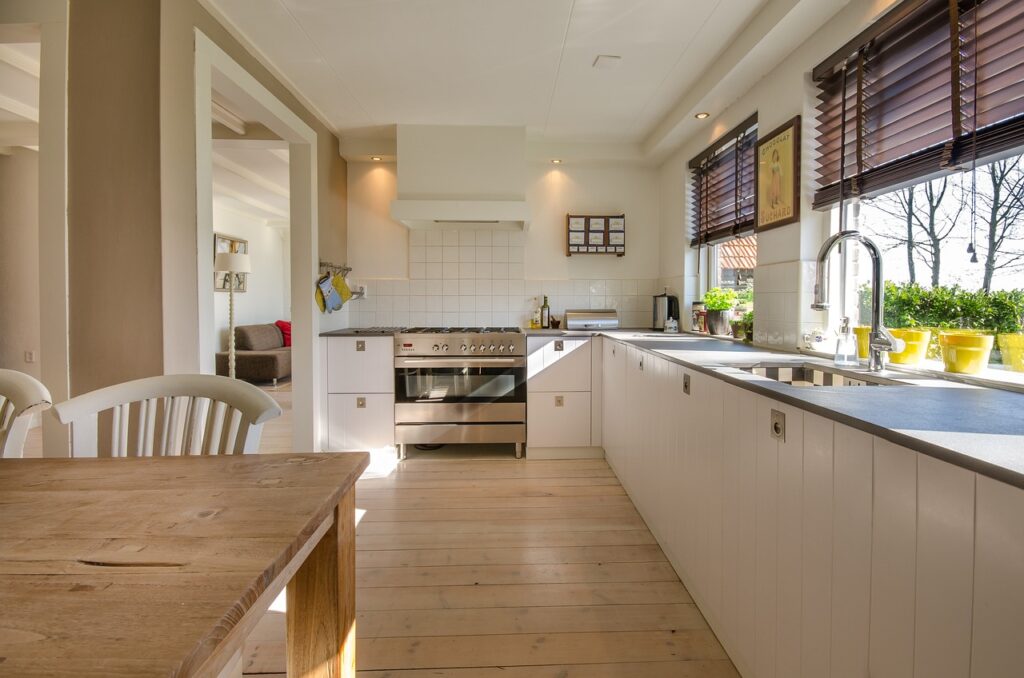
A new kitchen can raise a property’s value by up to 10% in the UK, with sellers in the Southeast often recouping about 5%. However, ROI varies by property type and neighbourhood, so it’s best to check regional data or consult estate agents before investing.
Features like stone worktops, soft-close drawers, and integrated appliances regularly appear in premium listings. Energy-efficient appliances are also popular, appealing to buyers focused on lower running costs. Simple cosmetic updates, like neutral colours, new handles, or LED lighting, can modernise a space at lower cost.
Switching to energy-saving lights such as pendant or under-cabinet options is a small upgrade that visually improves the room. Neutral, timeless finishes tend to attract more buyers, supporting quicker sales.
Energy Efficiency Upgrades Boost Property Value
Energy-efficient homes in the UK can sell for up to 14% more than similar homes with lower Energy Performance Certificate (EPC) ratings. Buyers are drawn to lower utility costs and year-round comfort.
Loft insulation, costing around £300–£400, can cut heating bills by £215 annually. Cavity wall insulation, at £500–£600, may save £145 a year. Smart thermostats and heating controls, priced between £200 and £300, give buyers precision and control over energy use.
Replacing outdated glazing with modern aluminium framed windows significantly improves energy performance. These windows can achieve U-values as low as 1.3 W/m²K, reducing heat loss. Their specialised thermal breaks and strong seals also improve comfort and lower heating costs, features that increasingly influence buyers’ decisions.
Smart home energy systems, costing £500 to £2,000, appeal to buyers interested in reducing consumption and future-ready living. These improvements not only increase comfort but also support a stronger resale value.
Window Replacements Offer Multiple Benefits
Window replacements, particularly aluminium, can significantly increase a home’s appeal and potentially add £30,000 to £40,000 in the Southeast. However, it’s wise to consult local sales data for accurate expectations.
While uPVC is budget-friendly, aluminium offers better longevity and a slimline aesthetic. Though more expensive upfront, aluminium requires less maintenance than timber and often delivers better energy ratings (B to A+), thanks to polyamide thermal breaks.
Security is another strong selling point. Aluminium windows often include multi-point locking and internal glazing beads, making forced entry more difficult. Features like laminated or toughened glass add further protection, especially valued in areas where security is a buyer concern.
Given varying regional returns, homeowners should check with local agents or sales reports before proceeding.
Bathroom Modernisations Deliver Strong Returns
Bathroom upgrades frequently boost value, but ROI varies by region and renovation scale. Sellers should consult agents, or market reports specific to their area for more accurate expectations.
Small updates, like replacing tiles, adding a glass shower screen, or installing a new vanity, cost around £1,500–£3,000 and can increase appeal. Full bathroom renovations, averaging £5,000–£10,000, may not yield equivalent returns in all locations.
While features such as rainfall showers or heated towel rails are attractive, no conclusive data confirms they increase sale price in the Southeast. Water-saving fixtures are increasingly crucial to eco-conscious buyers and should be considered.
Neutral, light-coloured bathroom finishes, and simple layouts are typically preferred. Bold or personal design choices may turn buyers away, reducing potential ROI.
Garden and Outdoor Space Enhancements
Outdoor areas have become more influential in property sales, particularly since the pandemic. However, there is no confirmed percentage value uplift from UK property bodies for garden improvements in the Southeast. To assess potential ROI, consult local agents or region-specific data.
Because verified national costs for landscaping, patios, or garden lighting aren’t available, homeowners should seek multiple quotes and use local trade price guides. Features like composite decking, pergolas, and built-in seating extend garden usability and require less maintenance than traditional timber.
South-facing gardens remain desirable, but no quantifiable UK data confirms value increase due to orientation. To gauge this, rely on transaction-based agent reports.
Low-maintenance gardens are often assumed to appeal to busy buyers, but no hard data supports this. Before investing, seek recent buyer preference updates from trusted sources.
What Will You Choose?
Strategic home improvements can significantly increase property value and buyer interest when preparing to sell. While no single upgrade guarantees a high return, focusing on energy efficiency, updated kitchens and bathrooms, and well-executed loft conversions tends to resonate with today’s market.
To maximise results, homeowners should consult regional sales data and local estate agents before investing, ensuring improvements align with what buyers in their area want.