How acoustic panels are reshaping homes and workplaces in the South East
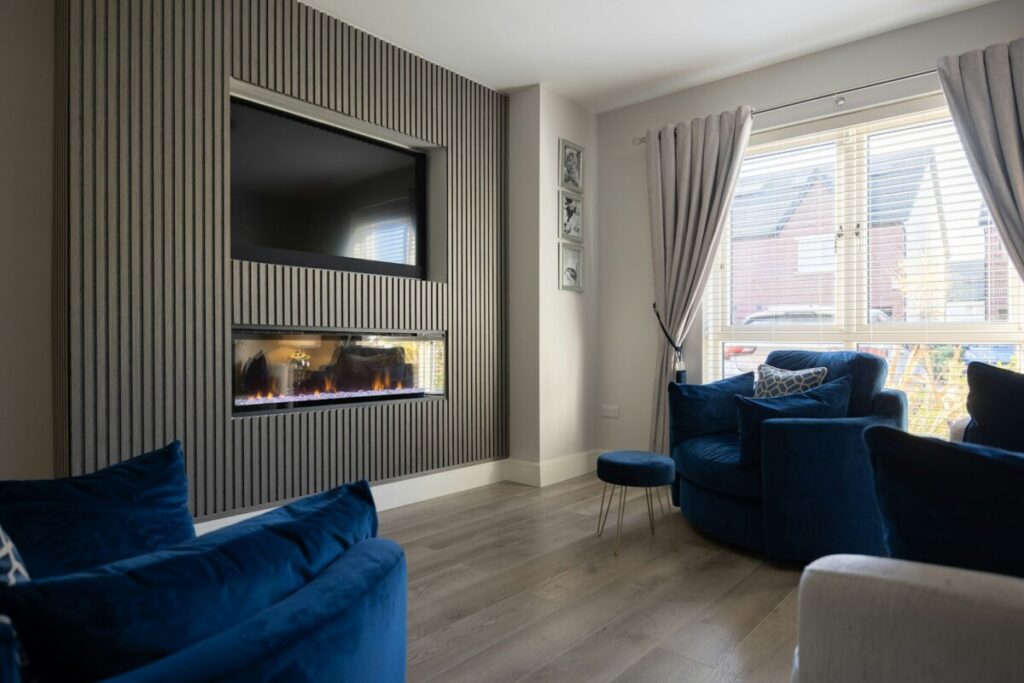
Open-plan living rooms, glass-fronted offices and hard flooring have become visual favourites across the South East. They look bright and contemporary, but they also introduce a problem that many people only notice once they move in: noise. Echoing conversations, clattering kitchens and humming appliances quickly turn attractive spaces into tiring soundscapes.
That growing clash between design and comfort is pushing homeowners, office managers and hospitality venues to look more seriously at sound control. Instead of heavy curtains or dated ceiling tiles, a new generation of acoustic solutions is emerging that blends into modern interiors. At kernen af udviklingen står acoustic panels, which now appear everywhere from co-working hubs in Brighton to renovated semis in Guildford.
Why sound comfort matters more than ever
Daily life in the South East is getting louder. Busier roads, denser housing and more people working from home all add layers of noise. At the same time, many new-builds and refurbishments favour bare walls, wide windows and minimal furniture. Those surfaces bounce sound around instead of absorbing it.
The result is a rise in what specialists call “reverberation time” – the period a sound lingers in a room. When that reverberation becomes too long, speech turns muddy, concentration drops and stress levels rise. You notice it on a video call when voices overlap, in a restaurant where you struggle to hear your companion, or in a classroom where pupils lose focus by mid-morning.
Remote work has amplified the issue. Spare bedrooms, dining tables and garden offices are now full-time workplaces. Yet few of these spaces were ever planned with acoustics in mind. As more employers adopt hybrid models, the quality of those home environments becomes a productivity factor, not just a lifestyle choice.
From ugly ceiling tiles to design-led sound control
Traditional noise control often meant suspended ceiling grids and thick foam panels, usually in plain white or grey. They did the job, but they rarely suited a stylish home or a boutique café. Many property owners postponed acoustic improvements because they assumed the solution would spoil the look they worked hard to create.
Modern acoustic panels follow a very different approach. Instead of hiding them, designers treat them as a visible feature. Slim slatted profiles, warm timber finishes and deep-coloured felt backings turn what used to be a technical product into a decorative element. In some projects, the panelling becomes the focal wall that anchors the entire room.
This design shift matters. When sound treatment looks good, it stops being an afterthought and becomes part of the initial brief. Architects, interior designers and even DIY renovators start planning for acoustics from day one, rather than trying to “fix” a noisy room once the paint has dried.
How acoustic panels actually work
Despite their refined appearance, the principle behind acoustic panels remains straightforward. Sound waves hit a surface; if that surface is hard, most of the energy bounces back into the room. If the surface is soft, porous or structured, more of that energy gets absorbed or scattered.
Many contemporary panels combine three layers:
- A decorative front, often wood slats, that breaks up reflections.
- An air gap or structured backing that helps trap sound.
- A dense acoustic core, usually felt or mineral fibre, that absorbs energy.
Together, these layers reduce echo and tame specific frequency ranges, especially the mid-range where human speech sits. The goal is not complete silence but clarity: conversations feel easier, background noise drops, and the room sounds “closer” and more controlled.
Where acoustic panels make the biggest difference
Across homes and workplaces, certain spaces benefit especially strongly from targeted sound treatment.
In living rooms and open-plan kitchens, a single treated wall or ceiling area often transforms the feel of the space. Televisions sound clearer at lower volumes, clinking dishes fade faster and family conversations stop bouncing between walls. For flats and terraced houses, this also helps limit noise transfer to neighbours.
Home offices gain both comfort and professionalism. Panels placed behind or in front of the desk reduce echo picked up by microphones, improving call quality and making long meetings less fatiguing. When meetings involve confidential discussions, better absorption also reduces the chance of sound carrying through to adjacent rooms.
Restaurants, cafés and bars throughout the South East face a constant balancing act. A lively buzz feels inviting, but once the noise rises above a certain level, guests lean in, speak louder and push the volume even higher. Well-placed acoustic panels on ceilings or high walls cut that escalation, allowing venues to keep energy without sacrificing intimacy.
In schools and colleges, intelligible speech is crucial. Teachers should not need to raise their voice all day to reach the back row, and students should not struggle to distinguish words in a muddled echo. Classrooms, lecture halls and music rooms with treated surfaces support better learning, especially for pupils with hearing difficulties or attention challenges.
Practical choices for South East properties
Buildings in the South East vary widely, from Victorian terraces and seaside townhouses to new apartment blocks and converted farm buildings. That diversity shapes how acoustic panels should be used.
Older properties with high ceilings and original features often benefit from discreet ceiling rafts or panels placed above picture rails, limiting visual impact while still tackling echo. In newer developments with clean lines, full-height feature walls create both acoustic and aesthetic value, particularly in entrance halls and stairwells where sound tends to travel.
Installation methods have also become more accessible. Many products mount on simple battens or direct to the wall with concealed fixings, making them suitable for weekend renovation projects. For rented homes or offices, some systems use reversible fittings, so tenants improve their space without leaving permanent marks.
A quieter future for busy spaces
As lifestyles continue to blend work, leisure and family time under the same roofs, sound comfort will only grow in importance. Acoustic panels offer a rare combination: they solve a technical problem while enhancing the visual character of a room. For homeowners seeking calm in bustling towns, for start-ups fitting out shared offices, and for hospitality venues chasing that perfect balance between buzz and comfort, they provide a direct, tangible upgrade.
The next time a freshly renovated space feels strangely tiring, the culprit is often not the furniture or the lighting but the way sound behaves. Treating those invisible reflections with well-chosen acoustic panels turns harsh, echoing rooms into places people actually enjoy staying in – and that shift is becoming one of the quiet success stories of contemporary design.