Baroque Wigs Spark Curiosity Across Oxford Ahead of Blenheim Exhibition
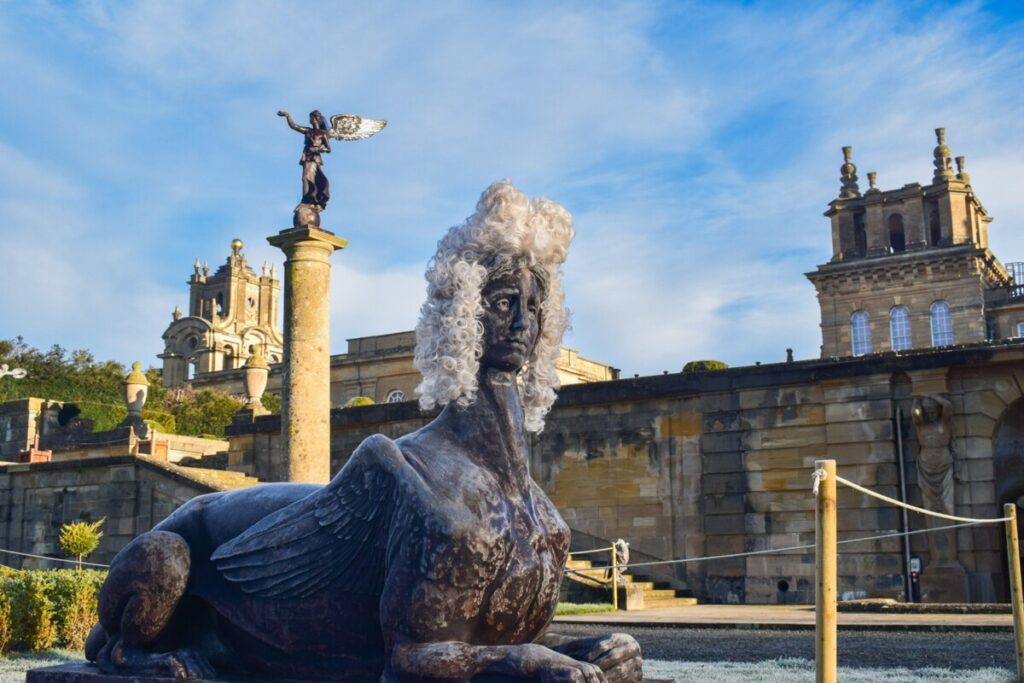
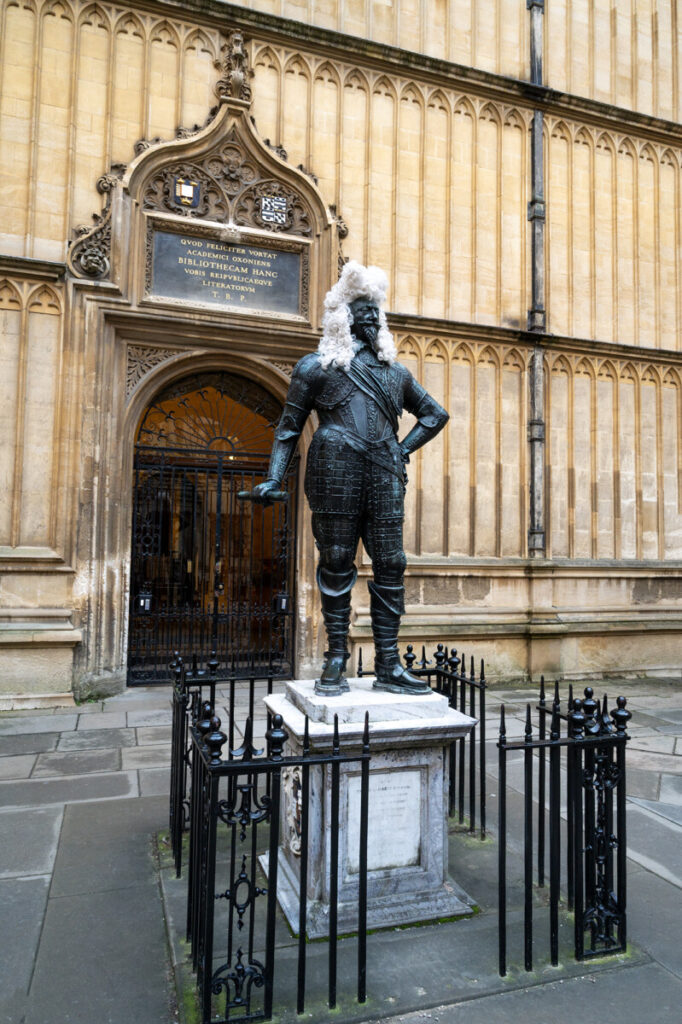
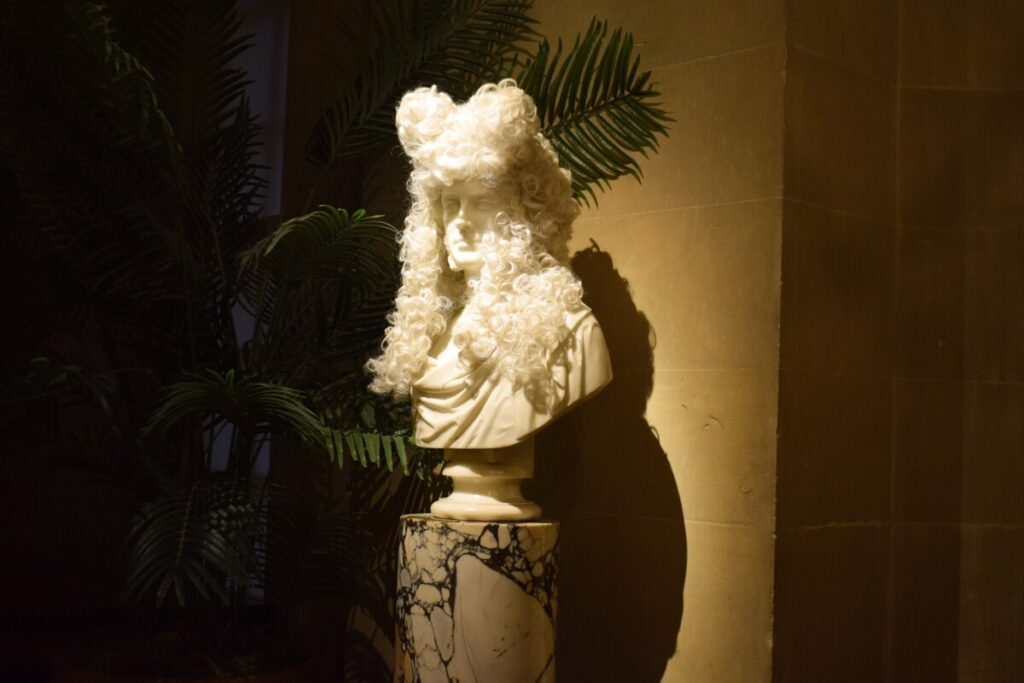
Residents and visitors in Oxford have been doing double takes this week after ornate Baroque-style wigs began appearing on statues and landmarks across the city and surrounding area.
Among the locations affected are the bronze statue of William Herbert, 3rd Earl of Pembroke outside the Bodleian Library, as well as several features within the grounds of Blenheim Palace, a UNESCO World Heritage Site. The unexpected additions have prompted speculation on social media, with many assuming the installations are part of a wider cultural project rather than random acts of decoration.
The sightings coincide with the launch of Blueprints of Power, a new exhibition opening on 14 February at Blenheim Palace and running until 10 April. The exhibition marks 300 years since the death of architect and dramatist Sir John Vanbrugh, the man behind Blenheim Palace and several other iconic country houses.
The exhibition explores Vanbrugh’s influence on architecture, politics and high society in the early 18th century, examining his ambitions, rivalries and relationships through an immersive visitor experience. Organisers say it combines visual installations with rare archival material, theatrical elements and period costume to bring Vanbrugh’s world to life.
Visitors will be invited to explore how Vanbrugh’s close ties to elite circles helped shape both his career and the architectural legacy of the period, offering insight into how power, patronage and creativity intersected during a formative era in British history.
Blueprints of Power forms part of Vanbrugh 300, a nationwide programme of events coordinated by The Georgian Group. The celebration spans six of Vanbrugh’s most significant works, including Castle Howard, Seaton Delaval Hall, Grimsthorpe Castle, Kimbolton Castle and Stowe House, alongside Blenheim Palace.
While the wigs may disappear as suddenly as they arrived, organisers hope the playful installations will encourage people to engage with the history behind the exhibition and spark fresh interest in one of Britain’s most influential – and controversial – architects.