Slow NHS Rollout of Weight Loss Drugs Driving Londoners Towards Unsafe Alternatives, Report Warns
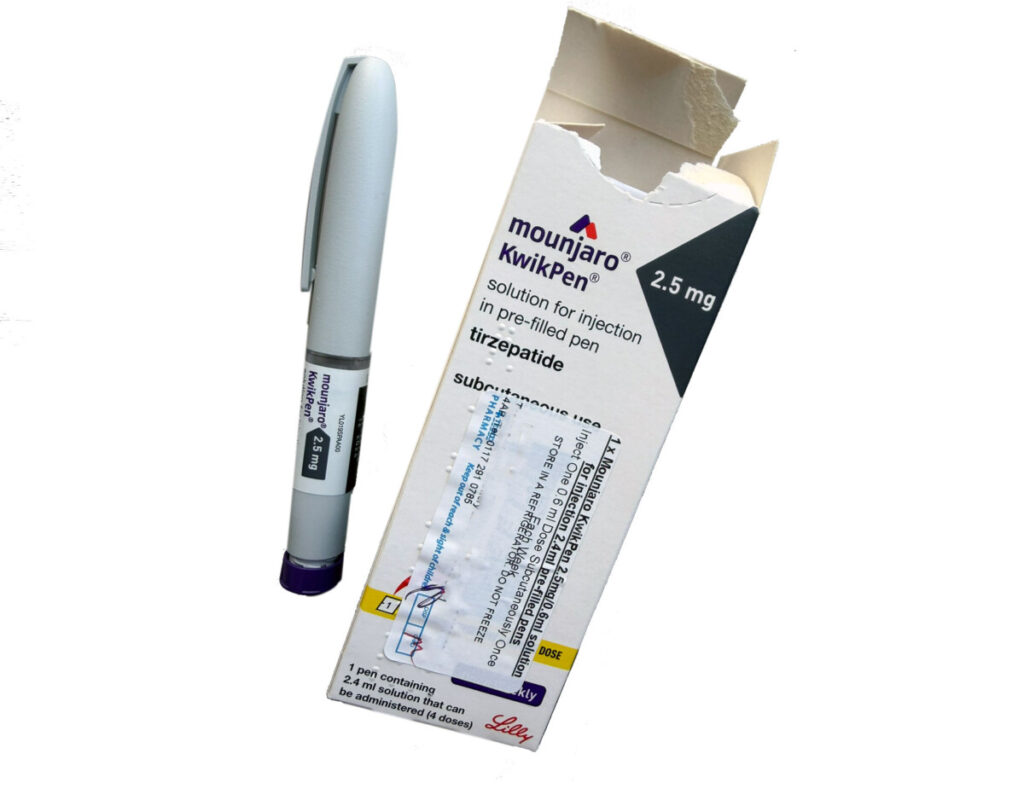
A new report from the London Assembly Health Committee has raised concerns that the slow rollout of weight loss medications on the NHS is pushing many Londoners towards potentially dangerous and unregulated alternatives.
The report, published on 11 March 2026, highlights what it describes as a growing “two-tier system” in access to obesity treatments across the capital. While around 500,000 Londoners could be eligible for the latest weight loss drugs, only approximately 3,000 were receiving them through the NHS as of November 2025.
In contrast, tens of thousands are believed to be accessing the medications privately, often without the same level of clinical oversight.
Rising Demand and Growing Risks
The London Assembly warns that the gap between NHS provision and demand is fuelling a surge in unsafe purchasing routes, including social media platforms, beauty salons and even informal settings such as gyms and shops.
Evidence presented in the report shows that more than 18,000 illegal weight loss medicines were seized at UK borders between 2024 and mid-2025, underlining the scale of the issue.
Health leaders have expressed concern that some of these so-called “skinny jabs” may be counterfeit, improperly stored, or administered without medical supervision — posing serious risks to public health.
The National Pharmacy Association has described the situation as a “perfect storm”, where high demand combined with limited NHS access is enabling a growing black market for unlicensed medicines.
Toby Nicol, Founder at Licensed Online Pharmacy CheqUp said:
“Recent research from CheqUp found the NHS will spend £786m in the next year rejecting patients who do not qualify for weight-loss jabs – enough to fund its current jab programme twice over. That underlines the scale of demand already building around these treatments with the majority choosing to pursue private routes.
“Yet the surge in popularity of weight loss injections has unfortunately created a lucrative opportunity for counterfeiters. Fake weight loss drugs often originate from unregulated manufacturing operations, where oversight is minimal and quality control can be non-existent – they are only interested in cash, not care.
“These counterfeit products frequently enter the market through unauthorised online pharmacies that bypass regulations and rules.
“There is a real concern that black and grey markets are going to try and exploit vulnerable and desperate patients – cowboy operators taking advantage of confused patients who can no longer afford treatment but want to continue. As with most things in life, if it’s too good to be true, it probably is.
“Weight-loss medicines can be highly effective for the right patients, but they work best as part of a properly resourced programme with clear eligibility, ongoing monitoring, and support around nutrition and behaviour change. While NHS access remains limited, the priority must be for patients to get safe, timely and properly supervised care.”
Calls for Safer Access and Stronger Regulation
Despite the risks, the report acknowledges that weight loss medications can have significant health benefits when used appropriately, with some patients reporting major improvements in both physical health and confidence.
Inequality in Access
The committee stresses that access to weight loss medication must be expanded safely. It is calling for stronger regulation of private providers, better enforcement against illegal sales, and improved patient support through what it describes as “wraparound care”.
This would include medical supervision, lifestyle advice and ongoing monitoring to ensure the drugs are used effectively and safely.
The committee also emphasised the important role pharmacies can play in delivering treatment, provided robust safeguards are in place to ensure eligibility and proper care.
Chair of the London Assembly Health Committee, Emma Best, warned that unequal access is at the heart of the issue, with wealth increasingly determining who can benefit from the treatments.
The report concludes that unless NHS provision is expanded more quickly, the risks associated with unsafe alternatives are likely to grow — potentially exposing thousands more Londoners to harm.