Why Some UK Warehouses Still Use Paper Timesheets for Shift Workers
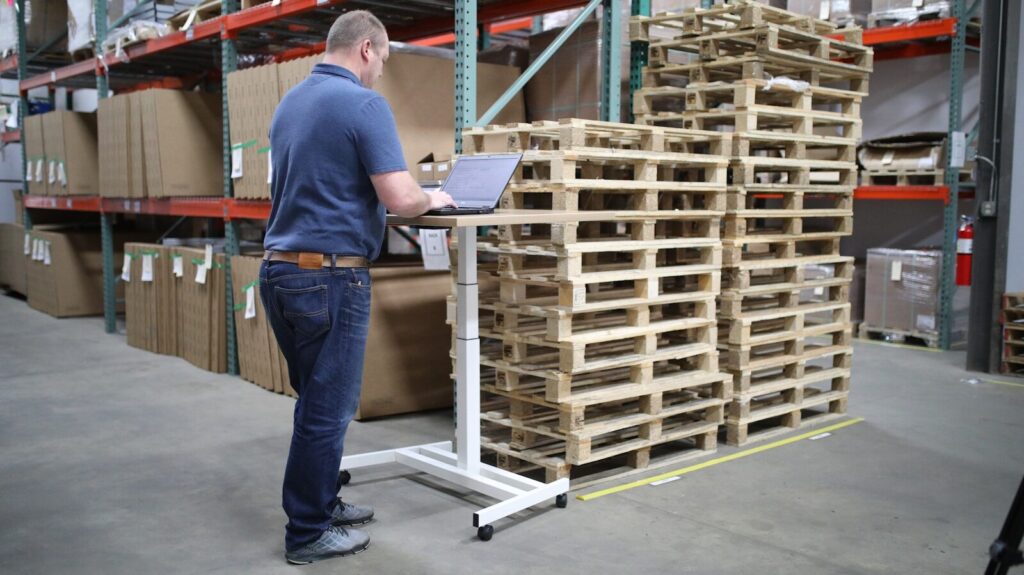
Paper timesheets haven’t disappeared from UK warehouses. They’re still there, on clipboards, on counters, tucked next to the staff entrance. Time and attendance software has never been cheaper or easier to deploy, yet manual records persist across many shift-based operations.
Upfront costs play a part. So does staff resistance. Payroll integration worries keep other sites frozen in habits that date back decades. The habit runs deep, and breaking it requires more than a product demo.
The Operational Reality of Paper Timesheets in UK Warehouses
Speed is the argument paper always wins. A clipboard needs no login. No password reset at 5:45am. No screen glare under a loading bay’s strip lighting. Managers glance at the sheet and know who arrived. That takes three seconds. Logging into a portal takes longer, and on a floor where every minute of a shift change matters, three seconds is not nothing.
Turnover makes simplicity essential. When a new face arrives for their first shift at 6am, nobody has time for a system walkthrough. Sign here. Done. Time attendance software requires setup, credentials, sometimes a device. Paper requires a pen.
Many warehouse sites are small enough for managers to feel every extra process immediately. Agency workers rotate daily or weekly. Setting up a fresh digital profile for someone who may work one shift and never return feels like wasted admin. Paper absorbs that chaos without complaint.
Cost Barriers Preventing Digital Adoption
Hardware is the first number that stops conversations. Biometric terminals, card readers and entry scanners carry visible price tags. Managers on tight margins see those figures and move on. Web-based time attendance software can remove some of that hardware cost, but monthly fees replace it, and smaller operators want predictable flat costs they can defend at a budget meeting without a spreadsheet.
The visible price of switching is easy to spot. The harder number is the weekly admin loss caused by missed entries, unclear handwriting, payroll corrections and disputes. That is usually where the business case starts to change, working with an employee attendance system built to keep attendance records cleaner before they reach payroll, rather than adding another task to the shift manager’s list.
Repeat training is the cost nobody budgets for. Staff leave. New starters arrive. The induction cycle runs again. In a sector where turnover runs high, that training is not a one-off investment. It happens constantly, and the time it consumes rarely appears on any formal cost analysis. A pad of timesheets costs almost nothing. That is a hard number to argue against when the alternative involves procurement sign-off, an IT conversation, and a three-month implementation timeline.
Technical Challenges in Warehouse Environments
Concrete walls eat Wi-Fi signals. Cold storage areas, older structures, mezzanine levels and steel racking systems all degrade network coverage in ways that a standard office plan never accounts for. A time and attendance software solution that depends on a stable connection becomes a liability in a building where the signal drops twice a shift.
Failures cascade. Workers cannot clock in. Supervisors cannot pull real-time records. Someone grabs a clipboard because the shift cannot wait. Paper returns not by choice but by necessity, and once it returns, it tends to stay.
Shared devices create queues. A hundred workers finishing a shift at the same time and two biometric terminals between them. The maths does not work. Flat batteries, missed charging, or a terminal that needs a reboot nobody knows how to perform. Each small failure chips away at confidence in the digital system.
Legacy platforms compound everything. Many warehouses run payroll and HR software installed before anyone had heard of cloud connectivity. These systems were never designed to work alongside a modern time and attendance system. Bridging them requires either a replacement project or a custom integration, and both cost money and time that most sites cannot spare. edays fits this kind of use case because the issue is not only clocking in, but how attendance records move into payroll across one site or several. Less manual transfer means fewer places for errors to creep in.
Workforce Resistance and Practical Concerns
Attitude is the barrier that never appears in a vendor’s implementation checklist. A worker who has clocked in with a pen for nine years does not see a new digital terminal as progress. They see a process that used to take ten seconds now requiring a card, a PIN, and a screen that sometimes freezes. Familiarity has weight. It should not be underestimated.
Data privacy concerns surface regularly, and not just among older staff. Fingerprint and facial recognition terminals collect biometric data. Workers ask where it goes, who can access it, and what happens when they leave. These are reasonable questions. When managers cannot answer them clearly, resistance hardens.
Language adds another layer. Many warehouse teams include staff for whom English is not a first language. A digital interface without multilingual options creates friction at the point of use. Staff need to trust the thing before they use it properly. If the screen makes no sense, they avoid it. Simple as that.
Temporary workers remain the most persistent practical problem. A single-shift agency worker assigned at short notice needs to be recorded that day. Creating a digital profile, assigning login credentials, and walking someone through the clock-in process takes time nobody has. Paper takes thirty seconds and needs nothing in advance.
When Paper Stops Being the Cheaper Option
Transitions that work start small. One department. Paper and digital running side by side for six weeks. Feedback collected, problems fixed, then the next department. Warehouses that approach it this way often meet less resistance on the floor than those attempting a full-site switchover on a fixed date.
The decision to move rarely comes from the top. It comes from a warehouse manager who spent three Fridays in a row manually correcting timesheet errors, or from a payroll team that flagged the same discrepancy for the fourth consecutive month. The trigger is almost always a specific, repeated pain. Not a strategic vision. A headache that finally became too expensive to ignore.
Paper timesheets are unlikely to disappear from UK warehouses overnight. The reasons are practical, not sentimental. Cost usually changes the decision, especially missed entries, payroll corrections and admin time that no one measured properly before. Once the hidden cost of staying with paper overtakes the visible cost of switching, the decision becomes much easier to make.