Signs Your Windows Need Replacing
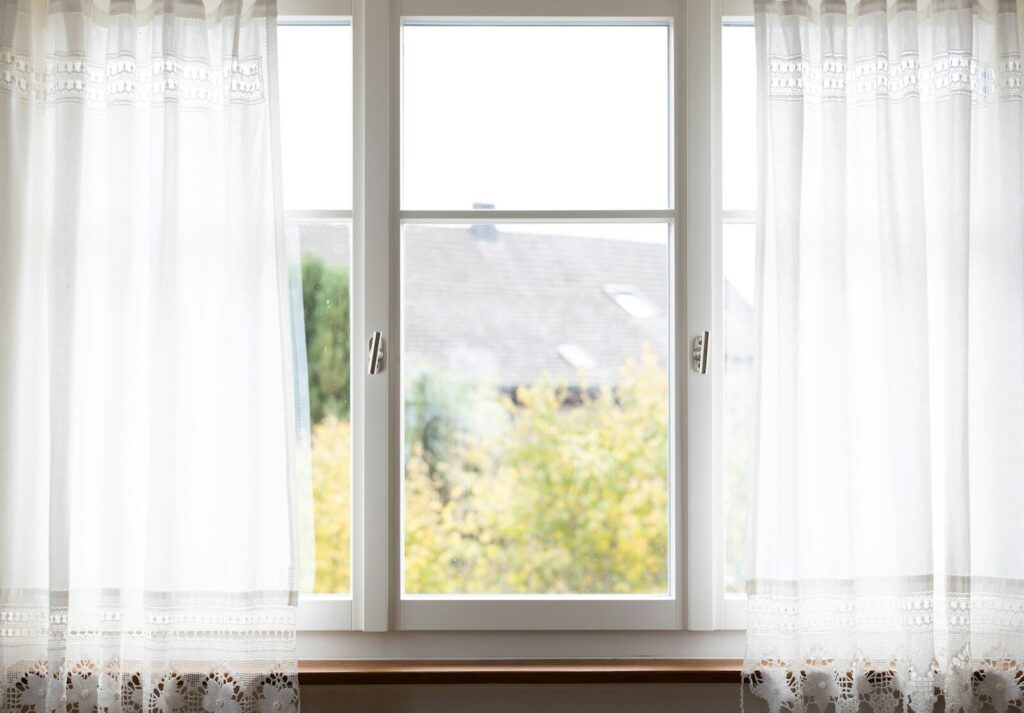
Recognising the early signs that your windows need replacing is essential to maintaining your home’s comfort, efficiency, and security. Windows do far more than provide a view – they play a key role in insulation, safety, and overall appearance. Ignoring problems can lead to higher repair costs and avoidable damage over time.
Energy efficiency is one of the main reasons to monitor your windows closely. Old or damaged frames and glazing can let in draughts, forcing your heating and cooling systems to work harder to maintain a consistent temperature. This added strain often results in noticeably higher energy bills. Identifying issues early allows you to upgrade before they become a financial burden.
Windows also have a significant impact on kerb appeal and property value. Outdated or deteriorating windows can make your home look neglected and may discourage potential buyers. Replacing them at the right time helps preserve your home’s appearance, market value, and overall comfort for years to come.
Increased Energy Bills: A Key Indicator
A sudden spike in your energy bills is one of the most telling signs that your windows may need replacing. While seasonal changes can naturally affect your heating and cooling costs, a consistent increase over time is a red flag. Older windows often lack the insulation properties of modern, energy-efficient models, allowing draughts to seep in and conditioned air to escape. This inefficiency forces your heating and cooling systems to work harder, leading to higher energy consumption and costs.
Another factor to consider is the type of glass used in your windows. Single-pane windows, common in older homes, offer minimal insulation compared to double or triple-pane options. These modern alternatives often feature low-emissivity (Low-E) coatings that reflect heat and UV rays, further enhancing their energy efficiency. If your home still has single-pane windows, upgrading to a more energy-efficient option can result in significant savings on your energy bills.
It is also worth noting that the material of your window frames can impact energy efficiency. Wood and aluminium frames, while aesthetically pleasing, can be less effective insulators compared to vinyl or fibreglass. Over time, wooden frames can warp and rot, and aluminium can conduct heat, both of which compromise their insulating properties. Replacing outdated frames with modern, energy-efficient materials can help reduce your energy bills and improve your home’s overall comfort.
Visible Damage: Cracks, Chips, and Rot
Visible damage to your windows is an obvious sign that replacement may be necessary. Cracks, chips, and rot not only detract from the appearance of your home but can also compromise its structural integrity. Over time, small cracks can expand, allowing moisture to seep in and cause further damage. This can lead to issues such as mould growth, which poses health risks and can be costly to remediate.
Rot is another serious concern, particularly for wooden window frames. Even with regular maintenance, wood is susceptible to decay over time, especially in humid or rainy climates. Rot can weaken the frame, making it less capable of supporting the window and potentially leading to structural failure. If you notice any signs of rot, it is crucial to address the issue promptly to prevent further damage.
Chips and cracks in the glass itself are also problematic. Not only do they mar the appearance of your windows, but they can also compromise their functionality. Cracks can worsen over time, eventually leading to shattered glass. This not only poses a safety hazard but also leaves your home vulnerable to the elements. Replacing damaged glass can restore both the aesthetic and functional integrity of your windows.
Difficulty Opening and Closing Windows
Windows that are difficult to open or close are more than just an inconvenience; they can indicate underlying issues with the frames, tracks, or hardware. Over time, frames may warp or become misaligned, particularly in older properties where materials have naturally aged or shifted. This can make everyday operation harder and may even pose a safety risk in the event of an emergency exit.
In some cases, sticking windows are caused by a build-up of dirt or debris in the tracks, while in others the issue may be worn or damaged components that can no longer function properly. Faulty locks and latches can also affect both usability and security.
Poorly functioning windows can also reduce ventilation, limiting airflow and affecting indoor comfort and air quality. If your windows are consistently sticking, jamming, or not closing securely, it may be time to consider replacing your windows. .
Draughts and Air Leaks: How to Identify Them
Draughts and air leaks are subtle but important signs that your windows may need replacing. Even small gaps can reduce energy efficiency and make your home less comfortable. A simple way to check for draughts is to hold a lit candle or incense stick near the window edges; if the flame flickers or smoke shifts, air is escaping.
You can also inspect frames for visible cracks or gaps. Over time, seals deteriorate, allowing air to pass in and out. This affects indoor temperature and forces your heating and cooling system to work harder, increasing energy bills. While weatherstripping may offer a short-term solution, ongoing leaks often signal the need for full replacement.
Air leaks can also develop between panes in double or triple glazing, usually due to seal failure. This allows air and moisture inside, reducing insulation and causing condensation or fogging. Addressing these issues quickly helps maintain comfort, efficiency, and long-term performance.
Condensation and Moisture Issues
Condensation and moisture issues are common signs that your windows may need replacing. While some condensation on the outside of windows is normal, ongoing moisture between the panes or on the inside surface can indicate a failed seal. This allows moisture to enter, reducing insulation performance and potentially causing problems such as mould growth and wood damage.
Interior condensation occurs when warm, humid air meets a cold window surface, often suggesting poor insulation. Over time, excess moisture can damage window frames, walls, and surrounding areas. Replacing old windows with modern, energy-efficient options can improve insulation, reduce condensation, and help protect your home from moisture-related issues.
Persistent condensation can also affect the appearance of your windows, causing fogging or cloudy glass that reduces visibility and kerb appeal. Addressing the underlying cause and considering window replacement in the Newhaven , Eastbourne, Horam, Hailsham and Seaford can help maintain your home’s comfort, appearance, and long-term condition.
Aesthetic Decline: When to Consider a Change
Your windows play an important role in your home’s overall appearance, both inside and out. Over time, even well-maintained windows can show signs of wear, such as fading, peeling paint, or outdated designs, which can reduce kerb appeal and make a property look tired or neglected. If your windows are no longer enhancing your home’s look, replacement may be worth considering.
New windows( windows/upvc-windows/ ) can give your home an instant visual upgrade, improving both exterior and interior aesthetics. Modern designs are available in a wide range of styles, materials, and finishes, allowing you to match your property’s architecture and personal taste. Whether you prefer traditional timber frames or the sleek finish of aluminium or uPVC, there are options to suit every home.
Replacing old windows can also improve interior spaces by maximising natural light. Well-designed windows help create brighter, more open, and inviting rooms, enhancing comfort and atmosphere throughout the home. If your current windows are reducing visual appeal or limiting light, upgrading can make a noticeable difference.
Safety Concerns: Security and Structural Integrity
Safety is a key consideration when it comes to your windows. Older or damaged windows can present security risks, making your home more vulnerable to break-ins. Over time, locks and latches may wear out or become damaged, reducing their effectiveness. If your windows no longer secure properly or can be forced open easily, it is important to address the issue promptly.
Structural integrity is also essential for maintaining a safe home. Cracked, warped, or rotting window frames can weaken the overall structure, particularly in areas exposed to harsh weather. In these cases, replacing the windows helps ensure your property remains strong, secure, and weather-resistant.
Glass type is another important factor. Older single-pane windows are more fragile and prone to breaking, while modern options often use tempered or laminated glass, which is far more impact-resistant. These upgrades improve safety, enhance insulation, and reduce noise, providing greater peace of mind and improved home security.
Making the Right Decision for Your Home
Choosing to replace your windows is a major investment, but one that delivers lasting benefits in energy efficiency, comfort, security, and appearance. Spotting the warning signs early – such as rising energy bills, draughts, condensation, visible damage, or windows that no longer open and close smoothly – can help you avoid more costly repairs in the future and protect your home’s value.
For homeowners in East Sussex, from Brighton to Eastbourne, Madeira Windows is a trusted local specialist for high‑quality, energy‑efficient replacements. With a wide range of modern styles, materials, and finishes available, you can select windows that perfectly complement your property while improving performance and insulation. They also supply a range of other home improvements including Bi-Fold Doors ,Conservatories, Composite Doors and Orangeries.
Working with an experienced local company like Madeira Windows ensures expert guidance and professional installation, giving you complete confidence in the durability and long‑term performance of your new windows.
Upgrading your windows is not just a repair – it is an investment in your home’s future comfort, security, and kerb appeal.


