The Changing Face of South East Business: Innovation, Enterprise, and the Quest for Growth
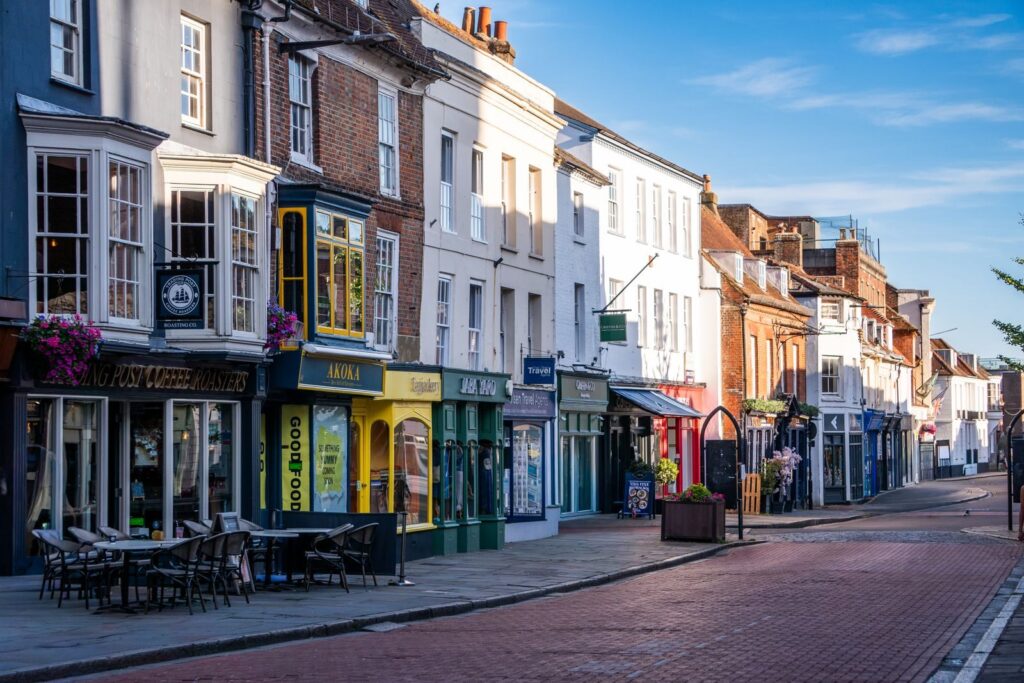
From the bustling technology clusters in Reading and Guildford to the creative agencies of Brighton and the established corporate hubs scattered across Kent and Hampshire, the South East has long stood as one of the UK’s most prosperous economic engines. Yet the playbook for commercial success in this region is being rewritten at speed.
Where local enterprise once relied heavily on traditional networking, regional press, and physical proximity to London to maintain market share, today’s landscape demands a far more agile approach. Consumer habits have shifted permanently toward digital-first interactions, while businesses themselves face pressure to innovate across every operational layer. At the very centre of this shift is how organisations build and deploy their commercial teams. Business leaders across the region are closely tracking movements in specialised marketing jobs to understand how hybrid working patterns, salary benchmarking, and shifting candidate expectations are impacting their ability to attract top-tier strategy and execution talent.
For small and medium-sized enterprises (SMEs) and larger corporate entities alike, building a resilient brand today isn’t about running sporadic promotional campaigns; it is about embedding a continuous, data-informed strategy directly into the core of the business.
Rethinking the Customer Journey in a Connected Region
The modern South East consumer or corporate client is better informed, more discerning, and less tolerant of fragmented brand experiences than ever before. A potential customer might discover a business via an industry podcast, inspect their credentials on a professional network, test their customer service responsiveness via direct messaging, and finally evaluate their services through curated digital content.
If any link in that chain feels disjointed, friction builds and opportunity is lost. This reality has forced regional companies to dismantle traditional operational silos. Instead of treating creative design, content production, paid acquisition, and public relations as separate entities, modern organisations integrate them into a unified commercial strategy.
Key elements currently defining effective regional growth strategies include:
- Customer Centricity: Designing digital and offline touchpoints entirely around the buyer’s preferences rather than internal convenience.
- Agile Execution: The ability to test campaign messaging on a small scale, analyse response metrics quickly, and adjust resource allocation in real time.
- Brand Authenticity: Communicating clear values and transparent practices, an increasingly decisive factor for buyers evaluating corporate partnerships in today’s market.
Tech Adoption: The Shift From Novelty to Necessity
Artificial intelligence, predictive modelling, and automated marketing stacks are no longer future concepts reserved for multinational tech giants. They have become day-to-day operational tools for mid-market firms across Surrey, Sussex, and Berkshire.
Automated systems now routinely process customer data, streamline routine communications, and provide predictive insights into purchasing behaviour. This allows lean teams to run sophisticated operations that would have required massive headcount a decade ago.
However, technology brings its own set of challenges. Over-reliance on generic automated tools can result in sterile, interchangeable messaging that fails to build real brand equity. The most resilient businesses across the South East treat technology as an accelerator for human creativity, not a replacement. Data platforms highlight where the opportunities lie, but skilled strategists are still required to determine how to meaningfully connect with the audience.
The Dual-Engine Growth Model
The Data Engine (Automation)
- Scalable communication flows
- Rapid analytics & attribution
- Audience segmentation at scale
The Creative Engine (Human)
- Emotional connection & storytelling
- Brand positioning & core values
- Strategic intuition & long-term vision
Positioning Regional Enterprises for the Future
The economic outlook for the South East remains dynamic. As flexible working continues to settle into a permanent feature of commercial life, the region benefits from a rich pool of high-calibre talent that no longer commutes to London five days a week. Local companies have an unprecedented opportunity to tap into this expertise and build world-class internal capabilities right on their doorstep.
Success in the coming years will belong to those organisations that combine commercial discipline with creative confidence. By investing in the right skills, adopting modern tools responsibly, and keeping the customer at the centre of every strategic decision, South East enterprises can secure their market positions and drive sustainable, long-term growth.