Improving Rooftop Safety Across Commercial Properties
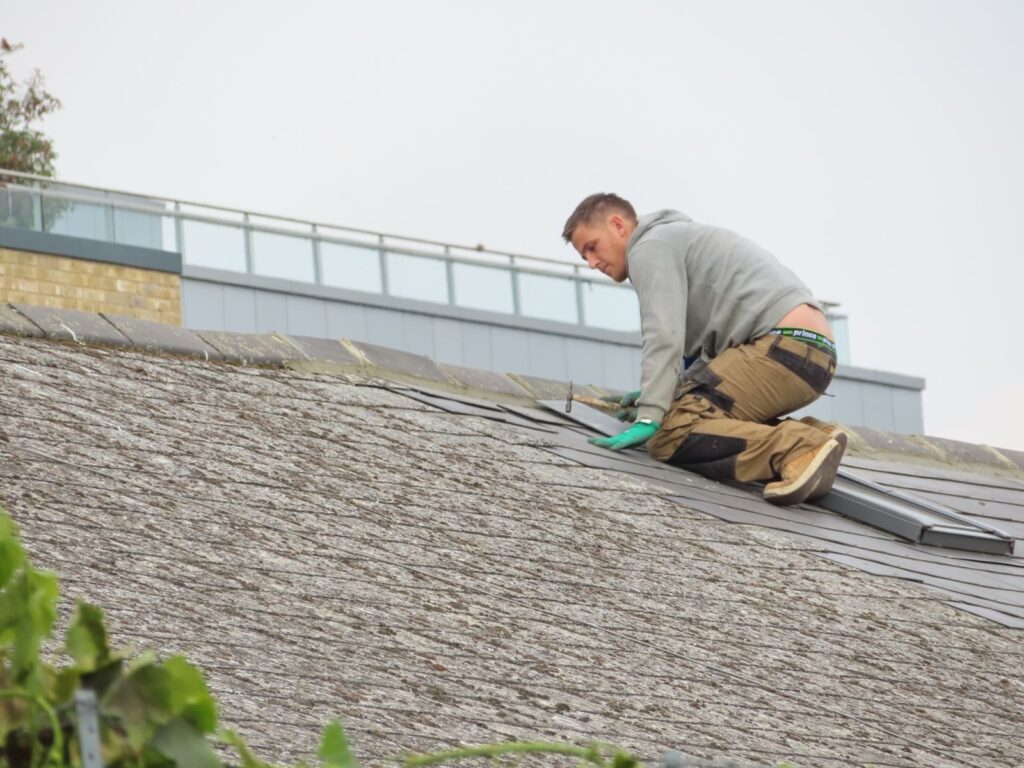
Commercial rooftops often need to be accessed for maintenance, inspections, repairs, and servicing essential equipment. From air-conditioning units to drainage systems, many building components require regular attention. However, rooftops can present significant hazards if access routes and working areas have not been properly considered.
Improving rooftop safety means looking beyond individual tasks and creating an environment where employees and contractors can move around the roof with fewer unnecessary risks.
Start With a Thorough Rooftop Assessment
Every commercial property is different, so an effective safety strategy should begin with a detailed assessment of the rooftop. Property managers should consider where people enter and exit the roof, which areas they need to visit and what hazards they may encounter along the way.
Potential issues include unprotected edges, fragile surfaces, rooflights, changes in level, slippery areas and obstacles created by pipes, ducts or other building services. Understanding these risks makes it easier to decide where additional safety measures may be required.
Assessments should also be reviewed periodically. Changes to rooftop equipment, access arrangements or the building itself can introduce new hazards over time.
Create Clear Routes Across the Roof
Workers should not have to improvise their route every time they access a commercial roof. Providing clearly defined pathways can help direct people away from vulnerable areas and reduce unnecessary movement near roof edges.
Walkways can be particularly useful on larger commercial buildings where maintenance teams regularly travel between access points and equipment. Suitable surfaces can also provide greater stability in areas where the roof may become wet or slippery.
A consistent route makes rooftop access more predictable, which can support safer working practices for both regular employees and visiting contractors.
Address Pipes and Other Obstacles
Modern commercial rooftops can become crowded with pipework, cables, ventilation systems and other infrastructure. These obstacles may force workers to climb over equipment or take awkward alternative routes.
Where pipework crosses a regular access route, installing a pipe step over platform can provide a more controlled way for workers to pass over the obstruction. Purpose-designed access solutions can reduce the temptation to step directly onto pipes or navigate around them in potentially unsafe areas.
Keeping routes clear of loose materials, unused equipment and general debris can further reduce trip hazards.
Protect Edges and Openings
Roof edges are an obvious concern, but openings and fragile rooflights also require attention. Appropriate barriers, guardrails or other protective measures can help separate people from areas where a fall could occur.
Access points deserve particular consideration as well. Roof hatches and ladders are areas that workers may encounter every time they visit the roof, making safe entry and exit an important part of the overall strategy.
Provide Training and Clear Procedures
Physical safety measures work best when supported by suitable procedures. Anyone accessing a commercial rooftop should understand the hazards, permitted routes, and equipment they are expected to use.
Contractors should also receive relevant site information before starting work. Clear communication helps ensure that external teams understand building-specific risks rather than relying solely on their usual working practices.
Make Rooftop Safety an Ongoing Priority
Rooftop safety should not be treated as a one-off project. Commercial properties change, equipment is replaced, and maintenance requirements evolve.
Regular inspections, good housekeeping, clear access routes and appropriate protective systems can help property managers maintain safer rooftop environments. By considering how people actually move and work across the roof, businesses can create practical safety arrangements that continue to support workers throughout the building’s life.