How Does Your Eyesight Affect Your Driving, and How Often Should You Get Tested?
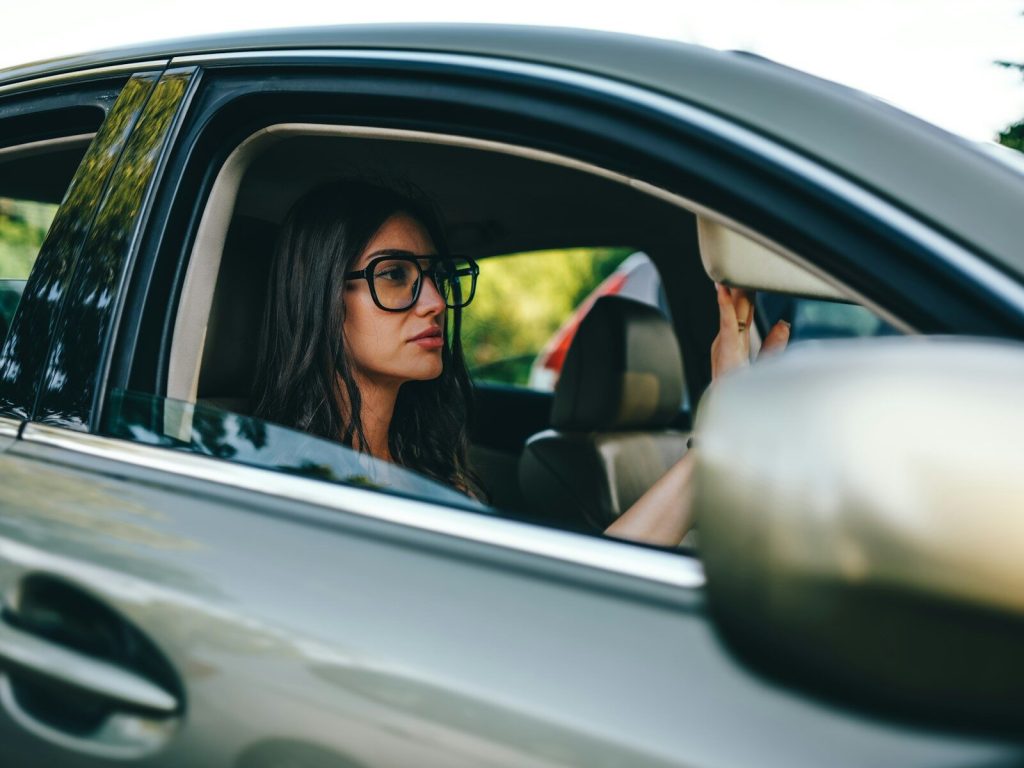
Driving relies on your eyes more than almost any other everyday activity. You read road signs from a distance, judge the speed of other vehicles, spot hazards at the edge of your view and cope with changing light, all within a few seconds. Most drivers assume their vision is fine because they have never had a problem, but eyesight can change gradually and often goes unnoticed.
This guide explains what the law requires, how vision affects driving, what to know if you wear glasses or contact lenses, and how often to have your eyes tested.
What the Law Requires
UK rules set a minimum standard of vision for driving. According to GOV.UK’s driving eyesight rules, you must be able to read a number plate from 20 metres away, which is about the length of five parked cars, and you may wear glasses or contact lenses to do so. You must also meet a minimum level of visual acuity, measured by an optician, and have an adequate field of vision.
Two points stand out. First, if you need glasses or contact lenses to meet the standard, you must wear them every time you drive. Second, you could be prosecuted for driving without meeting the standards of vision. You must also tell the DVLA if you have an eyesight problem affecting both eyes, though this does not include being short-sighted, long-sighted or colour blind.
How Eyesight Affects Your Driving
Different parts of your vision matter in different ways.
- Distance vision lets you read signs early and judge the gap to the car ahead.
- Peripheral vision picks up cyclists, pedestrians and vehicles at the side of the road.
- Depth perception helps you judge speed and distance when overtaking or pulling out.
- Contrast and night vision affect how well you see in dusk, rain and low light.
- Glare sensitivity decides how comfortable you are when facing headlights or low sun.
Problems with any of these can slow your reactions without you noticing. Tired eyes after a long day, an out-of-date prescription or dry eyes can all make driving feel harder than it should.
Contact Lenses and Driving
Many drivers choose contact lenses because they give a clear, natural field of view without frames, and they avoid reflections or frame edges at the sides. Daily lenses, in particular, are popular with people who drive for work, because there is no case or solution to carry.
A few practical habits keep lenses comfortable on the road:
- Keep a spare pair of glasses in the car. If a lens becomes uncomfortable, you can swap without driving on blurred or irritated eyes.
- Carry spare lenses, particularly on long journeys.
- Take breaks. Blinking tends to reduce on long drives, which can leave lenses and eyes feeling dry.
- Stay hydrated and use suitable rewetting drops if your optician says they suit your lenses.
It also helps not to leave reordering to the last minute. Running out of lenses can tempt people to wear a pair for longer than recommended, or to drive without the correction they need. Services offering ordering contact lenses with a next day delivery can be a useful back-up if you find you are running low, as long as your prescription is current.
If you wear prescription contact lenses, retailers will ask for your details before dispatch, since lenses are medical devices. Many drivers order contact lenses online for convenience, and it makes sense to do so a few days ahead. If you are comparing contact lenses UK retailers offer, check that they ask for your prescription and your optician’s details. The same applies if you buy contact lenses online for the first time. Prescription lenses of every kind need a valid, up-to-date prescription, so check the expiry date before you order.
Night Driving and Glare
Many people find night driving harder than driving in daylight. Bright headlights, wet roads and low light all make it harder to see clearly. The College of Optometrists’ public site, Look After Your Eyes, has a guide to driving and vision, including staying safe and legal on the road.
If you notice halos or starbursts around lights, or you find night driving more tiring than it used to be, mention it at your next eye test. It can have several causes, including an out-of-date prescription, astigmatism or dry eyes, and an optician can tell you which applies. A clean windscreen and clean glasses also make a difference, so it is worth wiping both regularly.
How Often Should You Have Your Eyes Tested?
Most adults are advised to have an eye test at least every two years. The NHS explains how opticians and sight tests work in the UK, and your optician may recommend a different interval based on your age, your eye health and any existing conditions.
For drivers, it makes sense to book a test sooner if you notice any of these:
- Difficulty reading road signs or number plates at a normal distance
- More glare or halos than before, particularly at night
- Headaches or tired eyes after driving
- Needing to squint, or feeling that your vision is less sharp than it was
- A change in how well you see out of the corner of your eye
- Your last test was more than two years ago
An eye test also checks the health of your eyes, which can spot conditions that cause no symptoms early on. It is a quick check, and for many people it is free or subsidised on the NHS, so ask your optician about eligibility.
Simple Checks Before You Drive
A few quick habits make driving safer:
- Wear the correction you need, every time you drive.
- Check your windscreen and mirrors are clean, and that your lights work.
- Keep a pair of sunglasses in the car for low sun and glare, and a spare pair of glasses.
- Take regular breaks on long journeys, so your eyes can rest.
- Do not drive if your vision is blurred or your eyes are sore. Take your lenses out, switch to glasses and, if the problem continues, speak to an optician. Red eyes after a long day are common and have several possible causes, so it helps to know the red eyes myth before assuming one cause or another, and to get persistent redness checked.
If you are ever unsure whether you meet the standard, an optician can check it, and they can advise whether you need to contact the DVLA.
Frequently Asked Questions
Do I have to wear glasses or contact lenses to drive?
If you need them to meet the standard of vision for driving, yes, every time you drive. Your driving licence may also carry a note that corrective lenses are required.
Can I drive if I can only just read a number plate?
You must be able to read one from 20 metres away. If you cannot, you should not drive until you have had your eyes checked.
Is it safe to drive wearing contact lenses?
Yes, for most people. Keep spares, take breaks and switch to glasses if your lenses become uncomfortable.
How often should I get my eyes tested if I drive a lot?
At least every two years, and sooner if you notice any change in your vision, glare or eye tiredness.
Do I need to tell the DVLA if I wear glasses?
Not for being short-sighted, long-sighted or colour blind. You must report certain eye conditions affecting both eyes, so check the DVLA guidance if you are unsure.
Seeing the Road Clearly
Good vision is a basic part of safe driving, and it is easy to take for granted. Know the standard you need to meet, wear your correction every time, keep a back-up pair of glasses and plan your lens reorders in advance. Most importantly, have a regular eye test, because the sooner a change is spotted, the easier it is to fix. A short appointment every couple of years is a small price for clear sight on every journey.