South East drivers urged to check tyres behind six in ten dangerous MOT defects
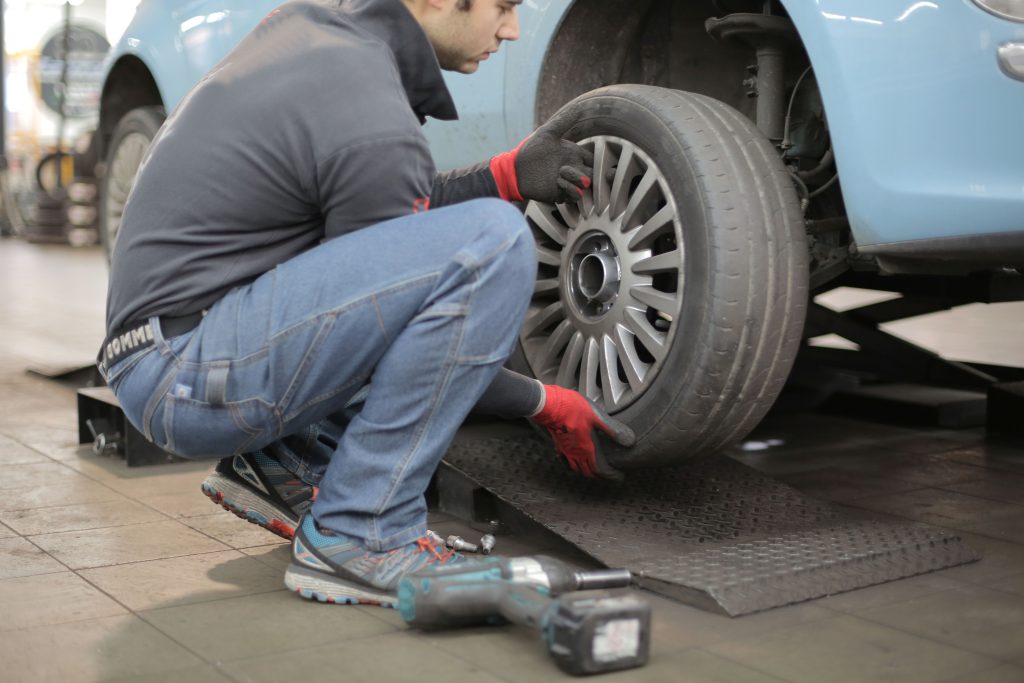
Drivers across the South East are being encouraged to check their tyres before their next MOT, after national DVSA figures showed tyres accounted for more than six in ten dangerous MOT defects recorded in 2025/26.
Analysis of 2025/26 DVSA MOT data found that tyres accounted for 60.60% of all defects classed as dangerous among cars and light vans, while brakes represented a further 28.80%.
A dangerous defect means the vehicle presents an immediate risk to road safety or has a serious environmental impact. A car that fails its MOT with a dangerous defect cannot legally be driven on the road until the issue has been repaired, except in very limited circumstances.
Motor experts at Platinum Motor Group say tyre problems can be easy to miss because pressure loss, tread wear and cracking often develop gradually rather than causing an obvious change overnight.
Adrian Layfield, spokesperson for Platinum Motor Group, said:
“Tyres are the only part of the vehicle in constant contact with the road, but their condition can easily become part of the background for drivers who use the same car every day.
“A tyre does not need to look completely flat to require attention. Repeated pressure loss, cracking, a bulge, an embedded object or uneven wear can all point to a problem that should be assessed rather than left until the MOT.
“The figures show why regular checks matter, but the message is reassuring. Many visible warning signs can be spotted early, giving motorists time to arrange an inspection before the issue becomes more serious.”
Five tyre and brake warning signs drivers should not ignore
Adrian says drivers should check for the following tyre and brake warning signs rather than waiting for an MOT to uncover a problem:
- One tyre repeatedly losing pressure
Regularly topping up the same tyre may feel like routine maintenance, but repeated pressure loss can indicate a slow puncture, damaged valve, wheel problem or another fault. Drivers should compare pressures with the manufacturer’s recommended figures when the tyres are cold and arrange an inspection if one tyre continues to lose air.
- Uneven tread wear
Wear concentrated on one edge or across a particular section of the tyre may point to incorrect pressure, alignment or suspension issues. Drivers should check the full visible width of each tyre rather than looking at only the easiest section to see.
- Cracks, cuts or bulges
Damage to the sidewall should not be dismissed because the tyre is still holding air. A bulge can indicate internal damage, while deep cuts or cracking may affect the tyre’s integrity. The vehicle should be checked promptly if any of these signs appear.
- A change in braking feel
A softer pedal, vibration, pulling to one side or an increase in stopping distance can signal a braking problem. New squealing, scraping or grinding noises also warrant attention because continued use may damage additional components.
- Warning lights that remain illuminated
A tyre-pressure monitoring or braking-system warning should not simply be reset without establishing why it appeared. Drivers should check the handbook and arrange professional advice if the light remains on or returns.
Adrian added:
“Drivers do not need to diagnose the fault themselves. The useful habit is to notice what has changed and act on it.
“Checking pressures and visible tyre condition every few weeks, and before a long journey, takes very little time. If braking feels different or a tyre appears damaged, arrange an inspection rather than waiting for the annual MOT to identify it.”
**


