Men in the South East urged to check six key health measures this winter
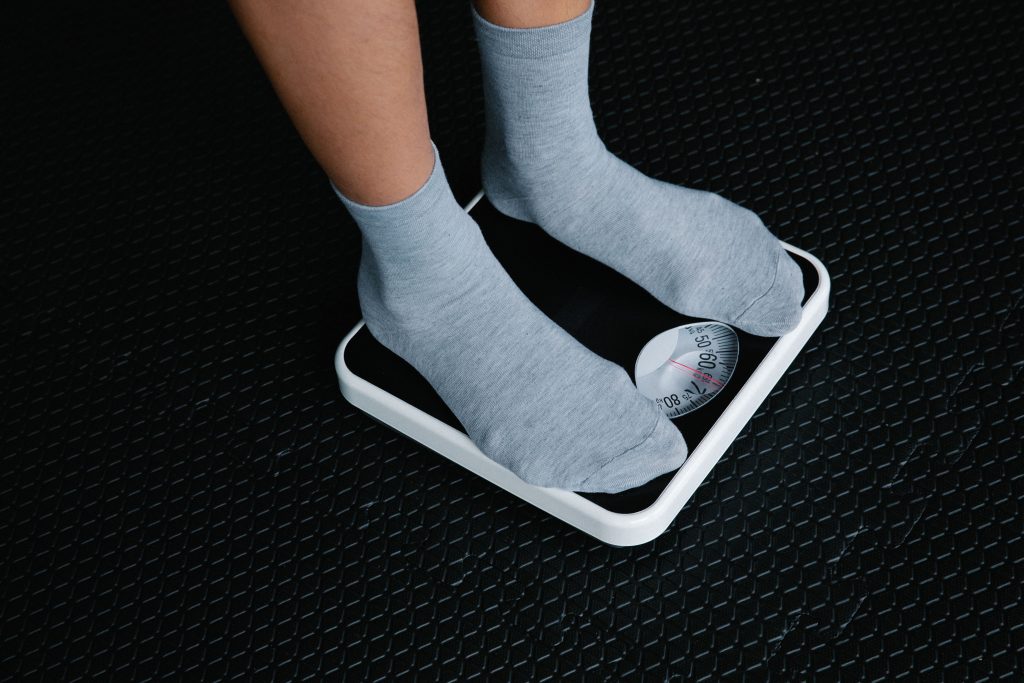
Men across the South East are being encouraged to look beyond the number on the scales this Winter, with experts highlighting six measurements that can help build a fuller picture of long-term health.
With men’s health in the spotlight throughout November, weight loss experts at Tonic say the campaign offers men in the region an opportunity to understand what different health measures can tell them, rather than judging their wellbeing on weight alone.
Latest NHS England figures show that 70% of men in England were overweight or living with obesity in 2024, compared with 62% of women. Across adults overall, seven in 10 also had a waist-to-height ratio above the recommended level of 0.5.
However, weight alone does not provide a complete picture of someone’s health.
Tonic says understanding what these measurements can tell you, and when to discuss them with a professional, can make health checks more useful. Which checks are relevant will depend on individual circumstances, including age, symptoms, family history and existing conditions.
Jordan Chadwick, Managing Director at Tonic, said: “Men can become very focused on weight as the main indicator of whether they’re healthy, but the number on the scales only tells us one part of the story.
“Winter is a great opportunity for men to become more curious about their health rather than waiting until something feels wrong.”
1. Your waist-to-height ratio
One of the simplest health measurements requires nothing more than your height and a tape measure.
The NHS recommends trying to keep your waist circumference to less than half your height. Used alongside BMI, waist-to-height ratio is a general screening guide that can help identify whether someone may be carrying excess fat around their stomach, rather than a diagnosis or universal personal target.
As a simple illustration, someone who is 180cm tall would be looking at a waist below 90cm under that general NHS recommendation. The measure is not appropriate during pregnancy, and body shape or certain medical conditions may mean professional interpretation is needed.
Jordan said: “Waist-to-height ratio is useful because two men can weigh exactly the same while carrying that weight very differently.
“If someone’s waist measurement is changing even when their overall weight isn’t moving dramatically, that is information worth paying attention to.”
2. Your blood pressure
Blood pressure is recorded as two numbers. The first, systolic pressure, measures the pressure when the heart beats; the second, diastolic pressure, measures it as the heart relaxes between beats.
A check takes only a few minutes and is available at GP surgeries and many pharmacies. High blood pressure usually has no symptoms, so feeling well does not tell you what your reading will be. How often someone should be checked, and whether repeat measurements are needed, depends on factors including age, symptoms, medical history and individual risk, so a healthcare professional can advise what is appropriate.
Jordan said: “The point isn’t to suddenly give men another number to obsess over. It’s about knowing more about your body.
“Weight is incredibly visible because you can step onto the scales whenever you want. Other aspects of our health aren’t necessarily as obvious, which is why appropriate health checks remain important.”
3. Your cholesterol
Cholesterol is another measurement that cannot be judged simply by someone’s appearance.
NHS-backed cardiovascular guidance says high cholesterol is an important risk factor for cardiovascular disease, including heart attacks and strokes. Cholesterol and triglycerides are measured through blood testing, but whether and when a test is appropriate depends on individual cardiovascular risk. A GP or healthcare professional can advise.
Jordan said: “Someone can look fit and healthy from the outside and still have health information they’re completely unaware of.
“That’s exactly why I’d encourage men to think about health as something bigger than their weight, appearance or trouser size.”
4. Your blood glucose and HbA1c
Blood glucose is the amount of sugar in the blood. A finger-prick reading provides a snapshot at that moment, while an HbA1c blood test reflects average blood glucose over the previous two to three months.
Type 2 diabetes develops when insulin does not work properly or there is not enough of it, causing glucose levels in the blood to become too high.
These results need professional interpretation rather than self-diagnosis. Whether testing is relevant will depend on individual circumstances and diabetes risk factors, so anyone concerned about their blood sugar should speak to their GP or healthcare team.
Jordan said: “If somebody is concerned about their blood sugar or their risk of diabetes, particularly where there may be other risk factors, the right thing to do is speak to their GP or healthcare team.
“The positive thing about knowing more about your health is that it gives you the opportunity to have those conversations.”
5. Your resting heart rate
Resting heart rate is the number of times your heart beats per minute while you are at rest. The British Heart Foundation says it is usually between 60 and 100 beats per minute in adults, although fitness, medicines and individual circumstances can affect it.
To check it, sit quietly for five minutes, then feel your wrist pulse with your index and middle fingers and count the beats for a full minute. A lower figure is not automatically better: an irregular pulse or a persistent, unexplained change is worth discussing with your GP.
Jordan said: “We’re not trying to encourage people to track every possible number every day. The important thing is recognising that your body gives you many more measures of health than your bathroom scales.”
6. Your weight and BMI
Weight still belongs on the list. The important thing is understanding what it can and cannot tell you.
For most adults, the NHS defines a BMI of 25 to 29.9 as overweight and 30 or above as obese, although different thresholds apply to some ethnic groups. Crucially, BMI cannot distinguish between fat and muscle.
Jordan added: “BMI is useful as a screening tool, but it shouldn’t be treated as a complete verdict on someone’s health.
“This Winter, don’t put pressure on yourself to transform your body in a month. Learn a little more about your health, speak to your GP if something concerns you and focus on positive changes you can realistically maintain.”