Essential things to consider when buying a used motorhome

The prospect of owning a motorhome is exciting. You’ll have the freedom to explore many parts of the UK in comfort and style.
Opting for a used model can get you quality for less, but there are a few considerations to make before you buy.
We break these down, so you can be confident you’re buying an excellent option.
Assessing your needs
Before starting your search, evaluate what you need from a motorhome. Think about the size, layout and number of people travelling with you.
Families might need more sleeping spaces and a larger living area, while solo travellers or couples may prefer something compact.
Your travel style also plays a role. Long-term adventures may require a fully equipped kitchen and bathroom, while you can get away with a basic setup for shorter trips.
Additionally, consider the features you can’t live without, such as storage and entertainment options.
Setting your budget
Defining your budget is a critical step in the purchasing process. Decide the maximum amount you’re willing to spend and use sites like Autotrader to help set a realistic price.
Bear in mind that older models can be cheaper but could have higher maintenance costs over time.
Research different finance options if you’re not paying the full amount upfront. Compare interest rates and terms from lenders to find a great deal.
Understanding running costs and laws
Owning this vehicle requires ongoing expenses and adhering to legal requirements.
Think about the fuel efficiency of the motorhome. Larger ones typically consume more, which adds up on long trips. Some costs can be reduced when you learn how to make yours more fuel-efficient.
Set aside some money for regular maintenance and unexpected repairs, as older models may require extra trips to the garage.
Find comprehensive motorhome insurance you can trust. This is a legal requirement and can help to protect your investment against damage, theft, and liability.
Looking at the vehicle tax rates can show you how much you can expect to pay annually.
Evaluating the condition
Examining its condition is essential to avoid surprise expenses and ensure safety. Look for signs of water damage, rust and structural issues, and inspect the roof, walls, floors and seals for leaks.
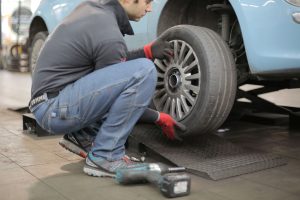
Assessing features like the engine, transmission, brakes, and tyres is also important. Make sure everything looks as it should and take it for a drive to see if it runs smoothly.
You should also test appliances, plumbing, electrical systems and the HVAC system as these can be expensive to fix.
Investigating its history
Knowing the vehicle’s history can provide insight into its reliability and performance.
Ask for service records to verify regular maintenance, highlight past accidents or damage and confirm that repairs were done professionally.
Multiple previous owners might indicate recurring issues, so try to find out why it was sold and how it was used.