Master of Food Science and Agribusiness: What You Need to Know
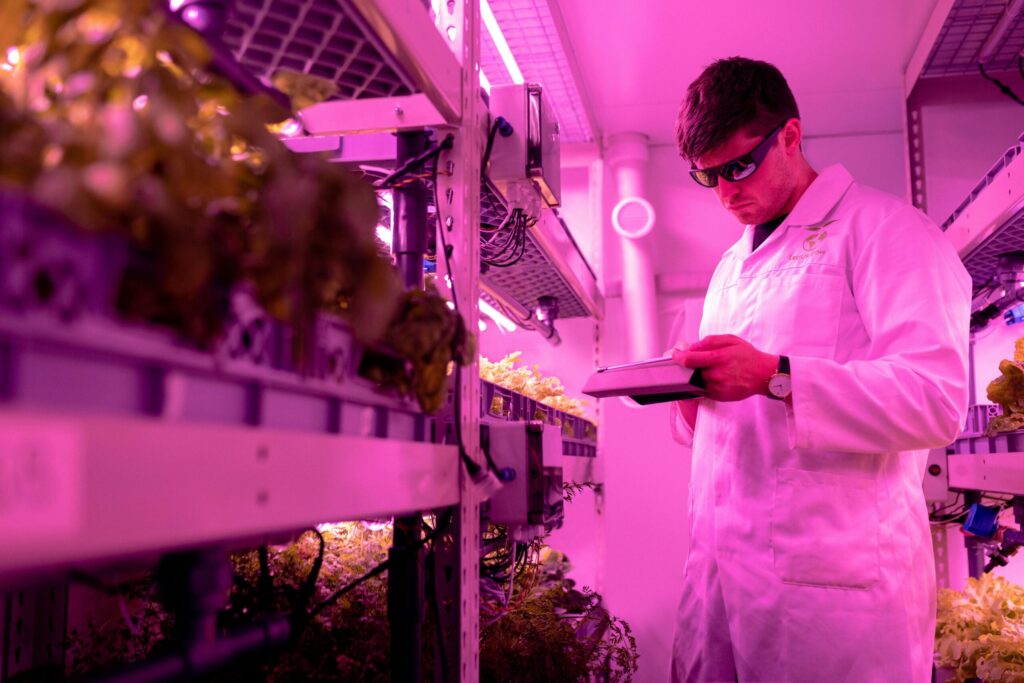
In the modern world, there has been increased attention on food systems. Every expert in the field is working tirelessly to make food production and distribution more sustainable and more efficient. As a result of this growing importance, there is a rising demand for individuals with specialised master’s degrees that blend science and business.
But what does a student need to know before pursuing these degrees?
3 Things to Know When Considering Studying a Master’s of Food Science and Agribusiness Abroad
Choosing the Right School
The first step towards earning your master’s degree in food science and agribusiness is choosing the right school. Obviously, the primary focus is to select an institution that has international credibility and industry relevance. However, there are other factors, such as accreditation, campus location (especially for students studying abroad) and global rankings, that can help you further narrow down your options.
The advantage of studying to become a master of food science and agribusiness is that the programs are designed with a global perspective in mind. In other words, such a degree would be recognised across the globe, meaning most institutions that offer them are internationally accredited.
Understanding the Curriculum
A master’s degree in food science and agribusiness combines technical subjects from two disciplines that many students tend to run from: food science and agribusiness. However, this combination is by design. The goal is to prepare students and produce professionals who are experts in both food production and the business sector.
The program will feature internships, project work, and real-world case studies, which may be pretty overwhelming for some students. As such, you have to go through the course modules and see if they align with your interests.
Financial Considerations
Financials are another crucial factor to consider before starting the application process. Typically, the costs of studying include both living and tuition fees. And these vary depending on the institution chosen.
When it comes to tuition, most of these programs are comparable to any other master’s degree. So, the main difference will be in living expenses.
Luckily, there are plenty of ways you can finance your studies. For example, you can take advantage of scholarships offered by your institution or other external organisations. Similarly, you can explore work-study opportunities that allow you to earn some income while still pursuing your studies. These options can supplement your existing finances, helping ease the burden of studying abroad.
Conclusion
So, you are considering studying a master’s degree in food science and agribusiness abroad. The most important things to do are to choose the right school, understand the curriculum and get your finances in order. Once you have checked all the boxes, you can begin the application process.
It is worth noting that the program is available to international students, including English speakers. In fact, some programs offer courses taught entirely in English on international campuses.