A Beginner’s Guide to PAT Testing for Landlords and Businesses
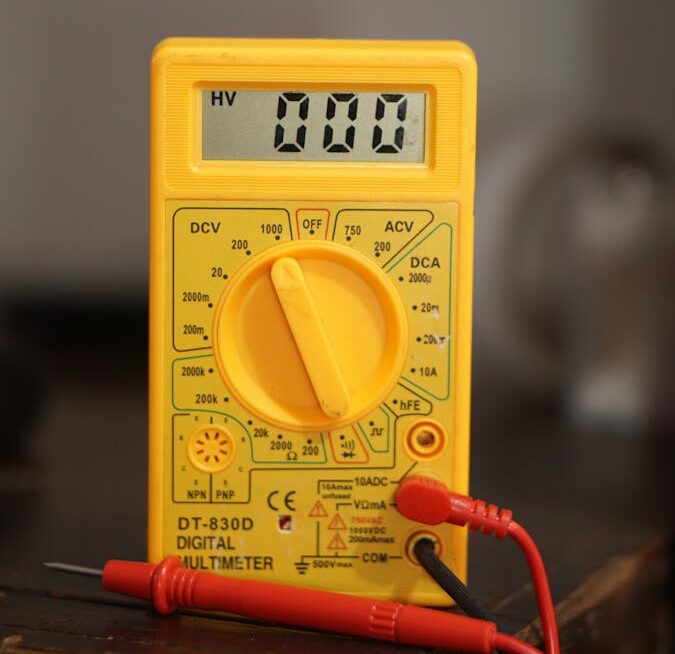
If you’re a landlord or business owner in the UK, ensuring the safety of your electrical equipment is more than just good practice — it’s a legal and moral responsibility. One common safety procedure you’ve likely heard of is PAT testing, short for Portable Appliance Testing. But what exactly is it, who needs it, and how do you ensure it’s done correctly?
In this beginner-friendly guide, we’ll walk through the essentials of PAT testing: what it involves, who it applies to, and how it helps protect both property and people. Whether you’re managing a rental portfolio or running a local business — or even working with estate agents in Southampton City to prepare a property for let — understanding PAT testing is a step towards compliance and peace of mind.
What Is PAT Testing?
Portable Appliance Testing (PAT) is a process by which electrical appliances are checked to ensure they are safe to use. It typically involves a combination of:
- Visual inspection of the appliance, plug, and flex
- Electrical testing using specialised PAT equipment to detect unseen faults
PAT testing helps identify potential risks like:
- Frayed cables
- Exposed wiring
- Loose connections
- Faulty plugs or incorrect fuse ratings
It is particularly important for appliances that are regularly moved, unplugged, or used by multiple people — such as kettles, toasters, fans, or vacuum cleaners in a rented property or workplace.
Is PAT Testing a Legal Requirement?
Contrary to popular belief, PAT testing is not legally required by name, but it is strongly recommended as part of fulfilling legal obligations under:
- The Electricity at Work Regulations 1989
- The Health and Safety at Work Act 1974
- The Housing Act 2004 (for landlords)
- The Landlord and Tenant Act 1985
These laws require landlords and employers to ensure electrical equipment is safe and properly maintained. PAT testing provides a reliable and documented method to demonstrate compliance.
For landlords, especially in competitive rental areas like Southampton, working with trusted estate agents in Southampton City often includes ensuring the property meets all safety standards — PAT testing being one of them.
Who Needs PAT Testing?
1. Landlords
If you let out a furnished property that includes electrical appliances — like fridges, microwaves, or lamps — it is your duty to ensure these are safe for tenant use. PAT testing helps meet these requirements and reduce the risk of fire, injury, or legal claims.
2. Businesses
Offices, shops, salons, and hospitality venues all use a variety of portable appliances. Under health and safety legislation, business owners must make sure equipment is maintained in a safe condition. PAT testing should form part of your regular workplace risk assessment.
3. Holiday Let and Airbnb Hosts
If you’re renting out short-term accommodation — whether privately or through a platform — the same safety standards apply. Regular testing ensures guest safety and helps build trust.
Which Appliances Require PAT Testing?
The general rule is: if it plugs into the mains and can be moved, it likely requires testing. Common items include:
- Kettles and toasters
- Hairdryers and straighteners
- Desktop computers and monitors
- Extension leads
- Portable heaters and fans
- Lamps and desk lights
Fixed appliances (like integrated ovens or electric showers) fall outside the scope of PAT and should be inspected as part of a periodic Electrical Installation Condition Report (EICR).
How Often Should PAT Testing Be Done?
There is no one-size-fits-all answer, but frequency depends on:
- Type of appliance
- How often it’s used
- The environment it’s used in
A typical PAT testing schedule might look like:
| Appliance Type | Suggested Frequency |
| Office IT equipment | Every 2–4 years |
| Kitchen appliances in lets | Annually |
| Extension leads | Annually |
| Tools in industrial settings | Every 6–12 months |
Always keep a record of testing to show compliance during inspections or insurance reviews.
Who Can Carry Out PAT Testing?
Technically, PAT testing can be carried out by any competent person with the right equipment and training. However, most landlords and businesses choose to hire a qualified PAT tester for peace of mind.
A professional tester will:
- Provide a full visual and electrical inspection
- Label items as “Passed” or “Failed”
- Produce a detailed test report and certificate
Some estate agents in Southampton City offer property management services that include organising regular safety checks, including PAT testing, to ensure properties are always compliant and tenant-ready.
Benefits of PAT Testing for Landlords and Businesses
- ✅ Demonstrates legal compliance with electrical safety laws
- ✅ Protects tenants, staff, and customers from electric shock or fire
- ✅ Reduces risk of property damage and related insurance claims
- ✅ Improves reputation among tenants and clients
- ✅ Avoids fines or enforcement from local authorities or regulators
In a market where tenants are increasingly safety-conscious, being proactive about appliance testing can set your property apart.
Common Myths About PAT Testing
Myth 1: PAT Testing Is Only for Big Businesses
False. Whether you rent out a single flat or run a home salon, PAT testing is just as important. All electrical appliances must be safe, no matter the size of the operation.
Myth 2: New Appliances Don’t Need Testing
While new items may not require immediate PAT testing, they should still be visually inspected before use. Testing is advised once they’ve been in service for a year.
Myth 3: PAT Testing Guarantees Safety Forever
Not true. Testing confirms an item is safe at the time of the test. Ongoing use, misuse, or damage can still occur — which is why regular re-testing and visual checks are essential.
PAT Testing and Insurance
Many insurance providers expect regular PAT testing as part of risk mitigation. If a fire or injury is caused by a faulty appliance, insurers may request evidence of maintenance — and lack of testing could impact your claim.
Being able to show you’ve followed best practices in appliance safety, with documented PAT test reports, strengthens your position.
Conclusion: A Smart Move for Safer Properties
PAT testing might not be the most glamorous aspect of property or business management, but it plays a vital role in keeping people and premises safe. For landlords and business owners, staying compliant with electrical safety regulations is not just about avoiding fines — it’s about protecting lives and reputations.
Whether you own a portfolio of rental flats or a small business in a vibrant community like Southampton, making PAT testing part of your regular maintenance schedule is a smart and responsible choice. Many estate agents in Southampton City support landlords with PAT scheduling and record-keeping, taking the stress out of compliance and helping you focus on what you do best.