How Brighton Became a Renowned Hub for Self Care and Slower Living
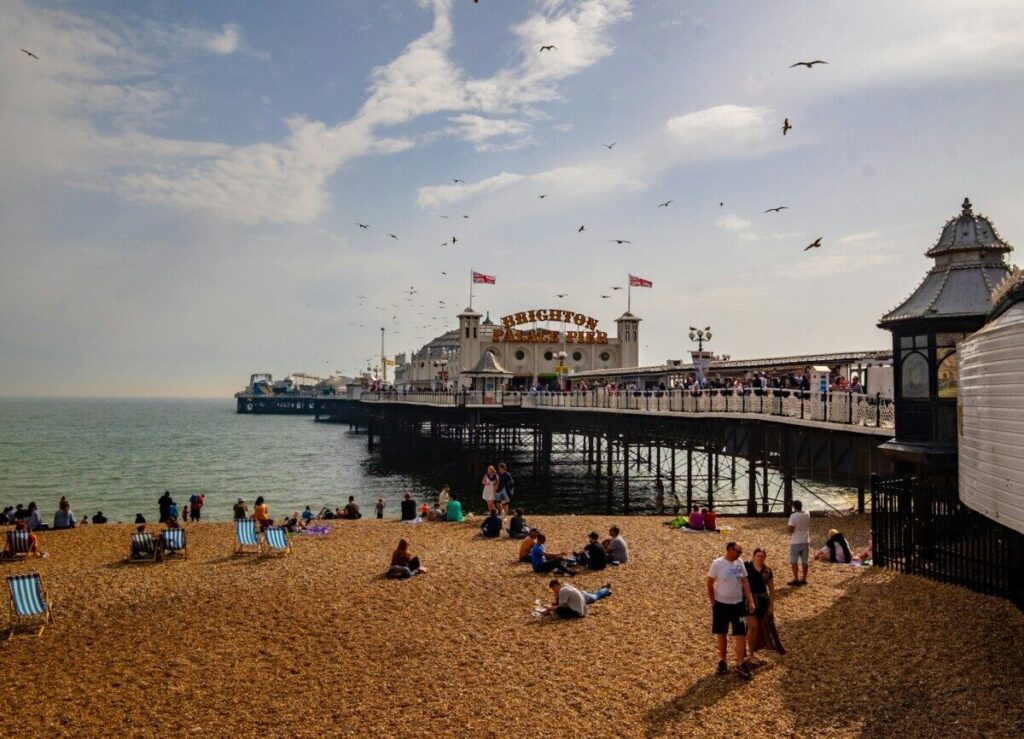
Brighton has changed over the years. Once known mainly for seaside day trips and nightlife, it has gradually built a reputation for something quieter and more reflective. People now come here to rest, reset, and find a different pace of life.
The shift did not happen overnight. It grew through community choices, independent businesses, and a culture that values wellbeing over constant activity. The city’s layout, creativity, and coastal setting all equally play a part in shaping this atmosphere. Brighton feels intentionally slower, and that is exactly why it stands out. Keep reading to see how this happened.
The Influence of the Sea on Daily Rhythm
Living by the sea changes how people organise their time. In Brighton, the coastline is not just scenery; it shapes daily routines. Many residents begin or end their day with a walk along the promenade, a swim, or simply sitting and watching the water. These habits encourage pauses that are often missing in larger cities.
The sound of the waves and the open horizon create a natural sense of space. And that physical openness has a calming psychological effect. People tend to move more slowly near the sea, even when they have busy schedules.
Local businesses have adapted to this rhythm. Cafés open early for walkers rather than late-night crowds. Outdoor activities are prioritised over indoor entertainment. The environment supports reflection without trying too hard. Over time, this connection to the coastline has helped define Brighton’s identity as a place where slowing down feels normal.
Independent Culture Over High-Street Pressure
Brighton has long supported independent shops, studios, and cafés instead of relying heavily on national chains. This has allowed small business owners to shape the atmosphere of the city in personal ways. Many focus on sustainability, ethical sourcing, and creating welcoming spaces rather than fast turnover.
Walking through areas like the North Laine shows how this independence influences behaviour. Independent shops encourage browsing without pressure, bartenders at Brighton’s renowned pubs take time to talk to customers, and people are not rushed. This approach changes how residents interact with their surroundings. When environments feel human rather than corporate, stress levels drop. The city becomes easier to navigate at a comfortable pace.
Creative professionals, artists, and wellbeing practitioners are drawn to places where individuality is valued. That steady influx of people seeking meaningful work rather than high-speed careers has reinforced Brighton’s slower culture.
Green Spaces That Encourage Pause, Not Productivity
Brighton is not just sea and streets. Parks and nearby countryside offer easy access to nature, which plays a major role in supporting self-care. The South Downs sit right on the city’s edge, making it possible to leave an urban setting and reach open hills within minutes. These spaces are used for walking, yoga, reading, or simply sitting outdoors. They are not designed around performance or competition. They exist for enjoyment and recovery from daily pressures.
Local councils and community groups have invested in maintaining accessible green areas rather than overdeveloping them. That decision has protected places where people can spend time without expectation.
Nature provides a counterbalance to modern routines. Brighton residents often treat outdoor time as essential, not optional. This mindset reinforces the idea that rest is a necessary part of life, not something to earn after exhaustion.
A Longstanding Connection to Wellbeing Practices
Brighton has attracted alternative health movements for decades. What once sat on the fringe has gradually become part of everyday life. Yoga studios, meditation groups, and holistic health services are widely available and accepted as normal rather than niche.
This history created a foundation that newer wellbeing trends could build on. People moving to the city often arrive already looking for balance, and they find services that match those expectations. Access to therapy in Brighton is part of that wider landscape, sitting alongside physical and creative approaches to mental health.
Workshops, community classes, and shared spaces encourage participation without pressure. The emphasis is on ongoing care rather than quick fixes. Because these services developed organically over time, they feel integrated into the community rather than added as an afterthought.
Urban Design That Supports Walking and Connection
Brighton’s size makes it naturally walkable. Many residents do not rely heavily on cars, choosing instead to move around on foot or by bicycle. This creates more opportunities for casual interaction and reduces the sense of rush that comes with traffic-heavy environments.
Streets are often narrow, colourful, and irregular, which slows movement and encourages people to notice their surroundings. Public transport connects neighbourhoods without making travel feel complicated. Everyday errands can be completed without long commutes.
This accessibility allows people to structure their days differently. Time once spent travelling can be used for rest, hobbies, or social connection. The design of the city supports balance without needing formal policies to enforce it.
And because Brighton is compact, communities feel more connected. Familiar faces appear regularly in cafés, parks, and shops. That sense of recognition builds belonging, which is a key part of feeling settled and unhurried.