What motorists need to know about antifreeze and coolant
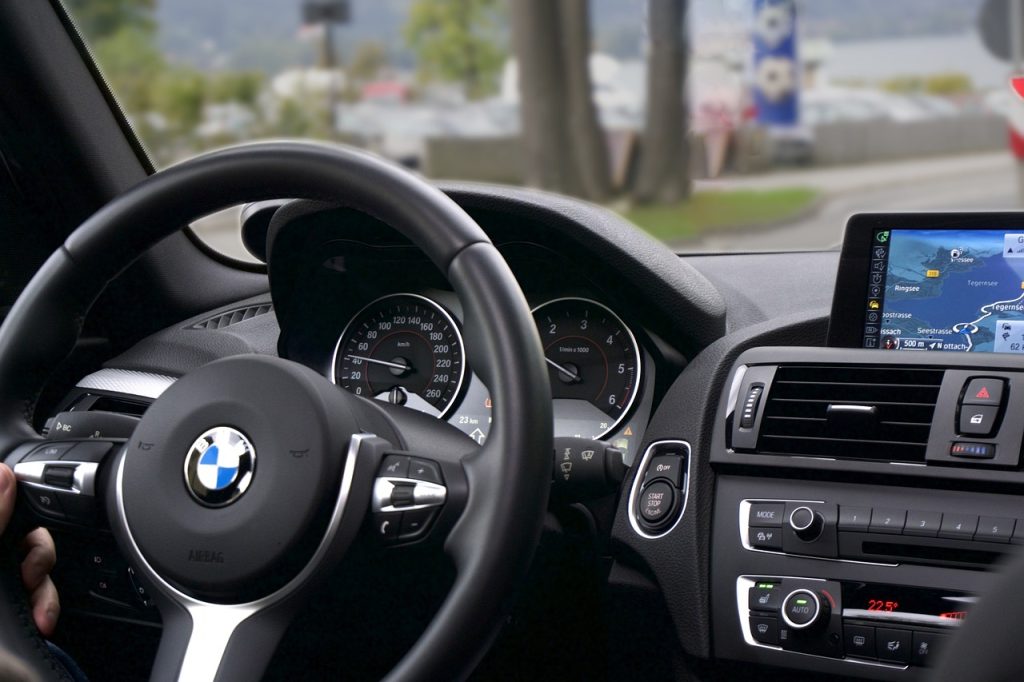
Maintaining an optimal engine temperature is a key aspect of a vehicle’s longevity and performance. Antifreeze and coolant play an important role in this process by preventing overheating and freezing.
According to research, proper use of coolants can extend engine life by up to 30 per cent. However, it is important to understand the difference between antifreeze and coolant, and to know how to select and change these fluids properly.
Difference between antifreeze and coolant
Antifreeze is a concentrate that is added to water to lower the freezing point and raise the boiling point. Coolant already contains a mixture of antifreeze and water ready for use.
Types of coolants
- Inorganic (IAT) – for older cars, contains phosphates and silicates.
- Organic (OAT) – for modern cars, contains organic acids.
- Hybrid (HOAT) – combines the properties of IAT and OAT, durable.
- Lobrid – improved version of HOAT with a long service life.
How to choose a coolant for a car?
When choosing a coolant, it is important to take into account the recommendations of the car manufacturer. They are indicated in the owner’s manual and include the type and composition of the fluid that is suitable for a particular model. It is also worth paying attention to the climatic conditions of the car. In cold regions, it is better to use coolant with a low freezing point, and in hot regions – with a high boiling point.
How and when to change the coolant?
Coolant should be changed regularly to avoid problems with the cooling system and to prevent corrosion. It is generally recommended to change the fluid every 2-5 years or every 50,000-100,000 kilometres, depending on the type of fluid and operating conditions. The coolant change interval can vary, so it is important to follow the manufacturer’s recommendations and take into account the individual operating conditions of your vehicle.
Car Coolant Comparison
| Criterion | Description |
| Types | – Antifreeze (G11, G12+, G13)
– Tosol (obsolete) – Distilled water (not recommended) |
| Selection | – Manufacturer’s recommendations
– Engine type – Climate – Antifreeze class |
| Replacement | – Frequency: 2-5 years/40,000-80,000 km
– Signs: Rusty color, low level, overheating – Process: Draining, flushing, filling |
| UK Statistics | – Most popular type: G12+
– Most popular brand: Castrol – Average purchase: 5 liters/year per car |
| Recommendations | – Do not mix different types! |
Coolant replacement process
- Preparation: cool down the engine, remove the radiator cap.
- Draining the old fluid: open the radiator drain cock.
- Flush the system: flush the system with distilled water.
- Fill with new fluid: fill the system with new fluid.
- Checking the level: check the level after the engine has cooled down.
Conclusion
Proper use and regular coolant changes are essential to reliable engine performance. By following these recommendations, you will ensure optimal operating conditions for your vehicle and prevent problems with the cooling system. Maintaining the correct engine temperature will not only extend the life of your engine, but will also improve the overall performance of your vehicle.