How changing fluids on time extends the life of your vehicle

Replacing all the major fluids in your vehicle plays a crucial role in maintaining its reliability and longevity. Regular inspection and timely replacement of these fluids can prevent serious breakdowns and reduce repair costs. In this article, we will discuss the importance of each fluid—from engine oil to transmission fluid—and explain how they affect the overall performance of your vehicle.
-
Engine Oil
Engine oil is responsible for lubricating and cooling engine parts, reducing friction between them. Over time, oil becomes contaminated by combustion by-products and oxidizes, which degrades its lubricating properties. If the oil is not replaced in time, it can lead to engine overheating or even failure. It is recommended to change the engine oil every 10,000–15,000 kilometres, depending on your vehicle’s operating conditions.
-
Coolant
Coolant, or antifreeze, prevents the engine from overheating by maintaining its optimal temperature. Over time, coolant loses its properties, which can lead to overheating, especially in summer. Regular replacement of coolant prolongs the engine’s lifespan and prevents corrosion in the cooling system.
-
Brake Fluid
Brake fluid is essential for vehicle safety, as it ensures the proper functioning of the brakes. It transfers pressure from the brake pedal to the braking mechanisms. Brake fluid tends to absorb moisture from the air, reducing its effectiveness. If it is not replaced on time, the braking system can fail, especially during heavy use. Brake fluid should be changed every two years.
-
Power Steering Fluid
Power steering fluid makes steering easier, especially at low speeds. If the fluid becomes dirty or loses its properties, steering becomes more difficult, and the power steering pump may fail. Regular replacement of power steering fluid prevents wear and keeps the steering system smooth.
-
Transmission Oil
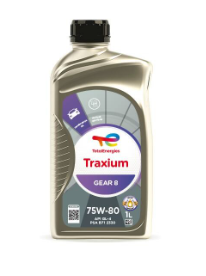
Transmission oil lubricates the components of the gearbox, reducing friction and wear. This is particularly important for vehicles with automatic transmissions, where high temperatures can accelerate oil degradation. Timely replacement of transmission oil prevents the gearbox from overheating and extends its lifespan. For instance, the image from onlinecarparts.co.uk shows gearbox oil for an Audi A6, suitable for regular vehicle maintenance.
To illustrate the importance of fluid replacement, here is a table summarizing research findings from various studies on the impact of timely fluid changes on vehicle lifespan and breakdown frequency:
| Study | Fluid Type | Replacement Frequency | Results |
| German Automotive Institute (2023) | Engine Oil | 10,000–15,000 km | 40% reduction in engine breakdowns with recommended replacement intervals |
| American Automobile Association (2022) | Coolant | Every 2 years | 35% lower risk of engine overheating with regular coolant replacement |
| UK Road Safety Institute (2021) | Brake Fluid | Every 2 years | 20% increase in brake efficiency and reduced system failure risk |
| Japanese Automotive Technology Study (2020) | Power Steering Fluid | 50,000 km | 25% extension in steering system lifespan with regular fluid replacement |
According to the AutoPro Service Center, timely fluid replacement can extend vehicle lifespan by up to 30%. Specialists strongly recommend not ignoring the maintenance schedule, as component wear caused by a lack of lubrication or overheating leads to costly repairs.
Expert Insight:
“In our experience, we frequently see vehicles breaking down due to neglect of essential fluid replacements like engine oil or brake fluid. Customers often underestimate how contaminated fluids can affect the vehicle’s performance. We advise all vehicle owners to monitor fluid conditions and adhere to manufacturer recommendations to avoid unnecessary expenses and prolong the vehicle’s service life”.
Regular replacement of all major fluids is not only a key factor in your vehicle’s reliability, but also a way to avoid major repair expenses. Check your vehicle’s oils and fluids at least once a year, or according to the manufacturer’s recommended mileage intervals. By doing so, you will extend your vehicle’s lifespan and ensure smooth operation.