Top mistakes drivers make that damage brake pads
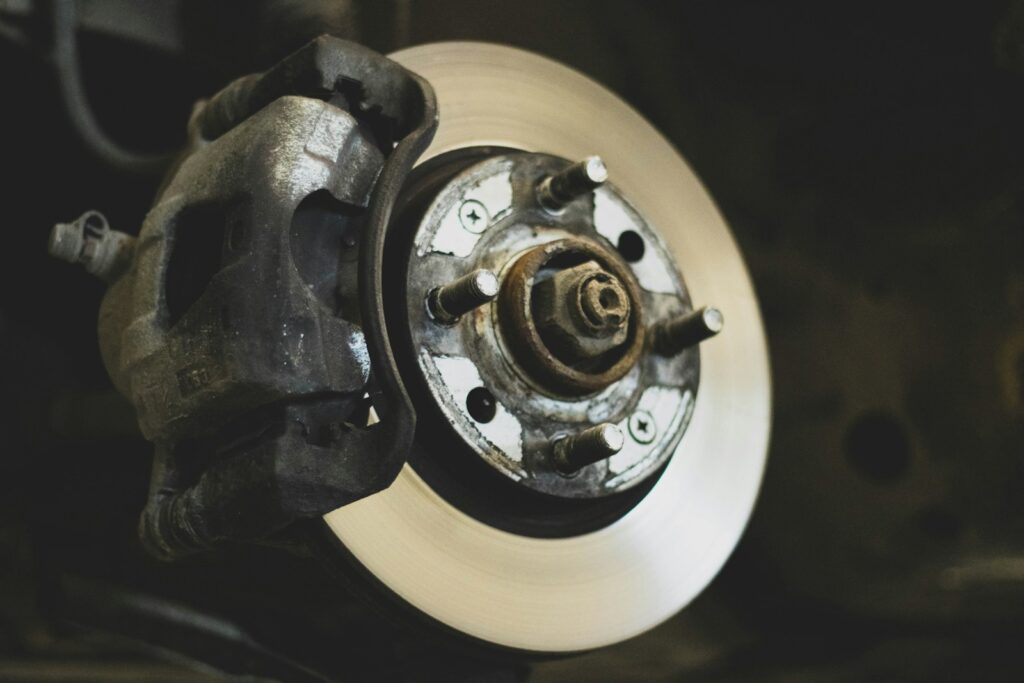
Brake pads are essential for safe driving, but many drivers unknowingly shorten their lifespan. Simple mistakes can lead to faster wear, higher repair costs, and potential safety risks. Understanding these common errors and how to prevent them can save money and keep your vehicle in top condition.
1. Aggressive braking
One of the most common causes of premature brake pad wear is sudden and forceful braking. Slamming on the brakes generates excessive heat and pressure, causing pads to wear down faster. This is especially true in city driving, where frequent stops are unavoidable.
Prevention tip: Maintain a safe following distance and anticipate traffic flow to reduce sudden stops. Smooth, gradual braking not only extends the life of brake pads but also improves overall fuel efficiency.
2. Overloading the car
Carrying excessive weight puts extra strain on the braking system. A fully loaded vehicle requires more force to stop, increasing the friction between the brake pads and the discs. Over time, this leads to faster deterioration.
Prevention tip: Avoid unnecessary loads and regularly check your car’s weight limits. If you frequently carry heavy cargo, consider upgrading to brake pads designed for high-performance or heavy-duty use.
3. Ignoring noise and vibration
Squeaking, grinding, or vibrations when braking are warning signs of worn-out pads or issues with the braking system. Ignoring these signals can lead to more extensive damage, including worn-down brake discs or faulty callipers.
Prevention tip: Address unusual brake noises or sensations immediately. Regular inspections can catch problems early, preventing costly repairs. Up to 40% of drivers ignore early signs of brake pad wear, leading to more expensive fixes down the road.
How to extend the life of brake pads
Taking care of your braking system doesn’t require much effort but can result in significant savings. Here are some effective ways to prolong brake pad life:
- Regular maintenance: Routine check-ups help spot issues before they escalate. Mechanics can inspect pad thickness, disc condition, and overall brake performance.
- Choosing the right parts: Selecting suitable brake pads can help maintain durability and performance. When selecting brake pads, factors like material and manufacturer influence the price, according to onlinecarparts.co.uk.
- Adapting your driving style: Defensive driving techniques, such as gradual braking and avoiding unnecessary acceleration, reduce wear and tear on the braking system.
Cost comparison: Prevention vs. Repairs
To understand the financial impact of proper brake maintenance, consider the cost differences:
| Expense type | Estimated cost (per axle) |
| Brake pad replacement | £40 – £160 |
| Brake disc replacement | £160 – £400 |
| Calliper repair | £240 – £640 |
Preventive measures like regular inspections and smooth driving can help avoid costly repairs. Replacing brake pads on time is far more affordable than dealing with damaged discs or callipers.
Brake pad wear is often the result of simple driving mistakes. By making small adjustments and staying alert to warning signs, drivers can extend the lifespan of their brakes, improve road safety, and reduce repair expenses. Proper maintenance and responsible driving are the keys to keeping your braking system in excellent condition.