Homeowners risk £7,000 bills by ignoring this common winter problem, experts say
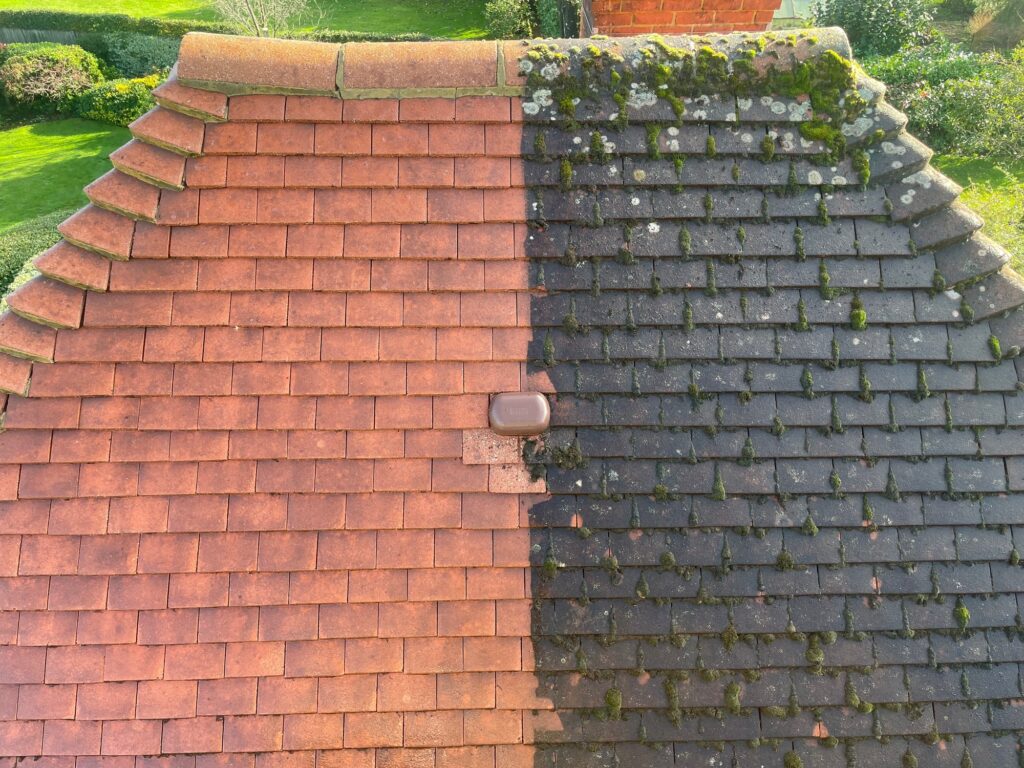
On average, a pitched roof should last 40-60 years with proper care, while flat roofs typically last 20-30 years depending on the material. But as homeowners continue to winter-proof their properties, experts are warning about a silent threat that could drastically shorten a roof’s lifespan.
With searches for ‘roof cleaning’ rising by more than 44,000 last month, specialists say many homeowners are unknowingly putting their roofs at serious risk.
Often dismissed as harmless greenery, moss, algae, lichen, dirt, and debris can cause thousands of pounds worth of damage if left untreated with the average replacement cost approximately £7,000.
Alex Essex, specialist at Patio Black Spot Removal Company, explains why moss is more dangerous than most people realise: “Small issues caused by moss can escalate incredibly quickly. What starts as a bit of greenery on the tiles can lead to significant structural deterioration if it’s ignored. Clearing moss early typically costs between £150 and £350, but once tiles begin to crack or lift, repairs can jump to £200-£1,000. And if the underlying structure becomes compromised, homeowners may be looking at a full roof replacement costing anywhere from £4,000 to £19,000.
“By the time moss is visible from the ground, the damage beneath can already be substantial. Ignoring it doesn’t just risk leaks and internal damp; persistent moisture can rot roof batons, attract pests, reduce insulation efficiency, pushing up energy bills, and even lower a property’s value.”
Maintaining good roof health could add up to 5% to a home’s value which is a potential £10,000 uplift on a £200,000 property.
Roof moss causes damage in several ways:
- Moisture retention – Moss acts like a sponge, keeping tiles constantly wet and encouraging fungal decay.
- Tile displacement – As moss expands, it lifts tiles, allowing water to seep underneath.
- Frost damage – Trapped moisture freezes in winter, causing tiles to crack or split.
- Added weight – Heavy moss increases strain on older roofs, especially after rainfall.
- Blocked gutters – Moss fragments fall into gutters, causing overflows and damp issues.
“Roof moss traps moisture, lifts tiles, and accelerates rot,” Alex adds. “It might look soft and harmless, but it can cut a roof’s lifespan in half. Once water penetrates beneath the tiles, repairs escalate from minor fixes to full roof replacements. Homeowners should inspect their roof every year and consider a full clean every 3-5 years.”
5 Ways to make your roof last as long as possible
To help homeowners protect their most valuable home asset, Alex outlined five essential steps for extending roof lifespan:
- Inspect your roof yearly – Check for broken tiles, sagging areas, moss growth, debris, or blocked gutters.
- Remove moss early – Early removal prevents moisture retention and tile lifting. Avoid pressure washing, which can strip protective coatings.
- Use a proper roof-safe moss treatment – A specialist treatment breaks down moss safely without damaging tiles. Alex recommends applying it during dry weather and allowing time for it to work through the organic growth.
- Maintain clear gutters and downpipes – Overflowing gutters cause damp, mould, and structural damage, problems often blamed on leaks but caused by simple blockages.
- Trim back overhanging branches – Shaded roofs stay damp longer, encouraging moss, algae, and lichen.
Alex warns that DIY methods can sometimes worsen the problem: “Homeowners can make things worse by trying home remedies, recommendations from persons not in the trade or unsafe practises.
“Using acid-based cleaners on clay tiles will react with the mineral in the clay and lead to either etching or degradation of the tile. Walking on the roof can also cause tiles to break which can lead to leaks.
“Using wire brushes to remove moss or clean tiles will wear away the surface making it more susceptible to frost damage and moss growth. This can also result in a non-uniform finish and using a wire brush for cleaning tiles or cast materials have been known to leave rusty marks on the surface due to the wire bristle leaving metal particles on the surface.
“A purpose-made moss treatment used alongside these careful methods provides long-term protection without risking structural damage, something aggressive DIY cleaning can never guarantee.”